




The Strait of Hormuz: The World’s Most Important Waterway Under Pressure
Few places on Earth hold as much strategic, economic, and geopolitical weight as the Strait of Hormuz. At first glance, it is simply a narrow stretch of water connecting the Persian Gulf to the Gulf...

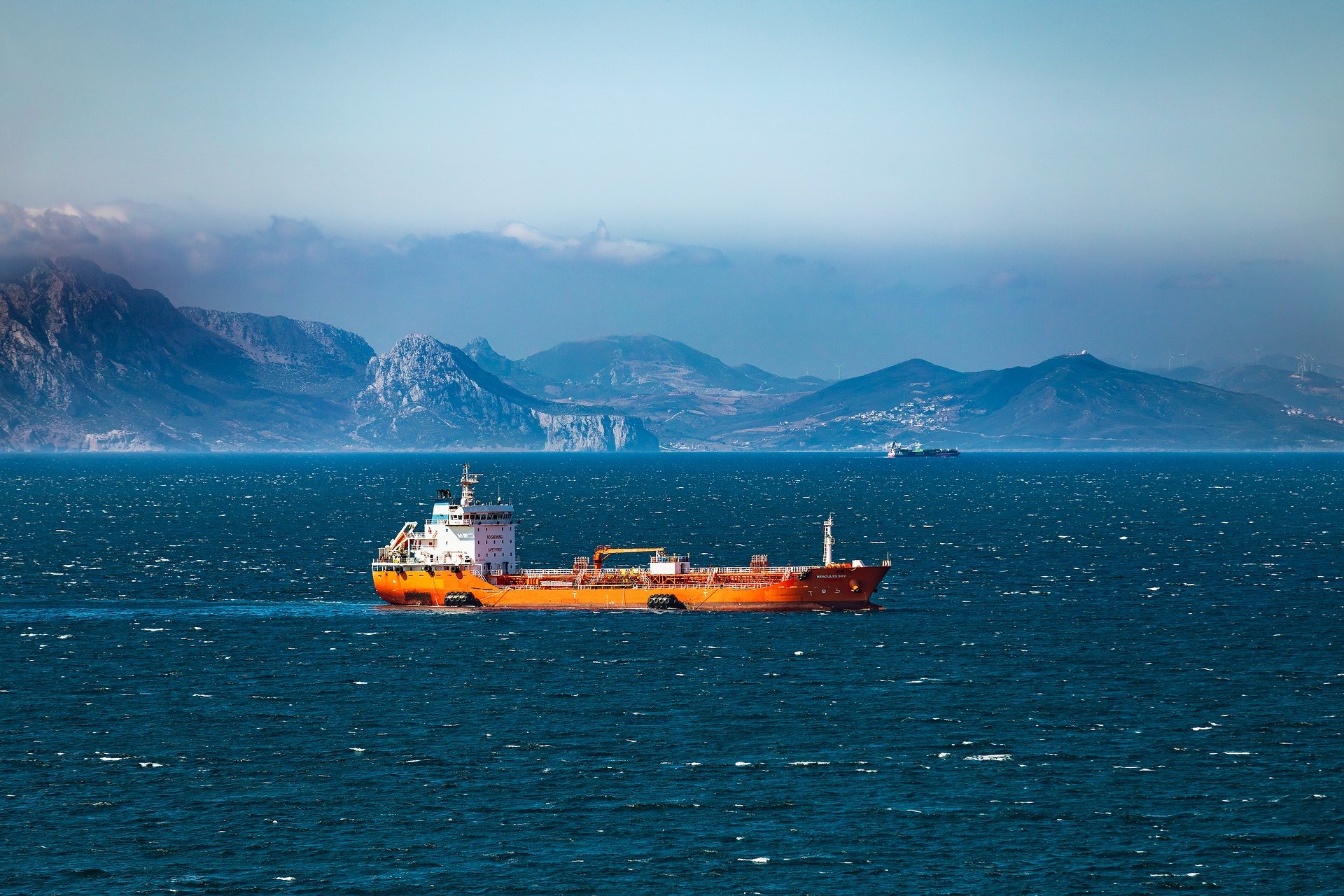
Few places on Earth hold as much strategic, economic, and geopolitical weight as the Strait of Hormuz. At first glance, it is simply a narrow stretch of water connecting the Persian Gulf to the Gulf of Oman. But in reality, it is one of the most critical arteries of the global economy—a chokepoint through which a significant portion of the world’s energy supply flows.
Table Of Content
Today, the Strait sits at the center of a rapidly escalating geopolitical crisis, driven by tensions involving Iran, the United States, and their allies. To fully understand why the current situation is so serious, we need to explore the Strait’s geography, history, economic importance, and its role in global conflict—before arriving at the present moment of extreme pressure.
1. Geography: A Narrow Passage With Global Power
The Strait of Hormuz is remarkably narrow for such a vital shipping route. At its narrowest point, it is only about 33 kilometers wide, with shipping lanes even tighter.
This narrowness is precisely what gives the Strait its power. It creates a maritime chokepoint—a location where traffic is funneled into a confined space, making it easy to monitor, control, or disrupt.
Geographically, the Strait is bordered by:
- Iran to the north
- Oman and the UAE to the south
This positioning allows Iran, in particular, to exert significant influence. Its coastline overlooks the narrowest parts of the passage, giving it a strategic advantage in any confrontation.
2. Why the Strait Matters: The World’s Energy Lifeline
The Strait of Hormuz is often described as the most important oil chokepoint in the world—and for good reason.
- Around 20–25% of global oil trade passes through it
- A similar share of liquefied natural gas (LNG) also moves through this route
- It connects major oil-producing countries like:
- Saudi Arabia
- Iraq
- Kuwait
- United Arab Emirates
Because of this, any disruption in the Strait immediately impacts:
- Global fuel prices
- Shipping costs
- Inflation worldwide
Even countries far from the Middle East—like Kenya—feel the effects through higher fuel and transport costs.
3. A Long History of Tension
The Strait of Hormuz has long been a hotspot for geopolitical conflict.
The “Tanker Wars” (1980s)
During the Iran-Iraq War, both sides attacked oil tankers in the Gulf. This period, known as the “Tanker War,” demonstrated how vulnerable global energy flows were to regional conflict.
Repeated Threats of Closure
Over the decades, Iran has repeatedly threatened to close the Strait during disputes with the United States and its allies. These threats were often used as leverage in:
- Sanctions negotiations
- Nuclear program disputes
Even when not acted upon, such threats have historically caused oil price spikes and market instability.
4. How Control Works: Geography Meets Military Power
Control of the Strait is not just about naval strength—it is about positioning and tactics.
Iran’s strategy relies on:
- Coastal missile systems
- Fast attack boats
- Naval mines
- Drone surveillance
Because of the Strait’s narrowness, even limited actions—like placing mines—can disrupt traffic significantly.
The United States, on the other hand, relies on:
- Aircraft carriers
- Destroyers
- Mine-clearing operations
- Escort missions for commercial vessels
This creates a delicate balance:
👉 Iran can disrupt cheaply, while the U.S. must secure expensively.
5. The 2026 Crisis: From Tension to Conflict
The current crisis is part of the broader 2026 Iran war, which began in late February 2026.
What triggered it?
- Airstrikes by the U.S. and Israel on Iranian targets
- The killing of Iran’s Supreme Leader
- Retaliatory attacks by Iran
In response, Iran took a drastic step:
👉 It closed or heavily restricted the Strait of Hormuz to shipping.
Immediate consequences
- Tanker traffic dropped sharply—by as much as 70% or more initially
- Hundreds of ships avoided the area or were stranded
- Several vessels were attacked or damaged
At one point, traffic nearly stopped entirely, marking one of the largest disruptions in global energy supply in history.
6. Escalation: The U.S. Naval Blockade
In April 2026, the crisis escalated further.
The United States launched a naval blockade targeting Iranian ports in and around the Strait.
Key features of the blockade:
- Ships going to Iranian ports are intercepted
- Neutral ships can still pass—but under risk
- Military presence in the region has surged
The U.S. deployed multiple warships to enforce the blockade, signaling a willingness to escalate if necessary.
Iran, in response:
- Condemned the move as illegal
- Threatened retaliation
- Continued asserting control over the Strait
7. A Dangerous Stalemate
The situation today is not a full closure—but it is far from normal.
According to recent reports:
- Shipping traffic is significantly reduced
- Some tankers still pass, but cautiously
- Many companies are avoiding the route altogether
Iran continues to leverage:
- Its geographic advantage
- Mines and missile threats
- Control over narrow shipping lanes
Meanwhile, the U.S. is attempting to:
- Keep the route partially open
- Pressure Iran economically
This creates a high-risk environment where:
- A single incident could trigger wider الحرب (war escalation)
- Miscalculations could lead to direct confrontation
8. Global Economic Shockwaves
The economic consequences have been immediate and severe.
Oil prices
- Surged above $100 per barrel
Global markets
- Stock markets became volatile
- Inflation fears increased
- Shipping and insurance costs spiked
Energy supply
The blockade could remove up to 2 million barrels of oil per day from global supply
This has ripple effects across:
- Transportation
- Manufacturing
- Food prices
9. Why the World Is Watching Closely
The Strait of Hormuz is not just a regional issue—it is a global pressure point.
If the situation worsens:
- Oil prices could surge even higher
- Global recession risks could increase
- Other chokepoints (like Bab el-Mandeb) could also be affected
Countries around the world are urging de-escalation, emphasizing the need to keep the Strait open for international trade.
10. What Happens Next?
Several scenarios are possible:
1. De-escalation
- Diplomatic talks resume
- Shipping gradually returns
- Prices stabilize
2. Prolonged standoff
- Partial disruption continues
- High energy prices persist
- Global economy slows
3. Full escalation
- Direct conflict between major powers
- Complete shutdown of the Strait
- Severe global economic crisis
Conclusion: A Narrow Waterway, A Global Fault Line
The Strait of Hormuz is far more than a geographic feature—it is a strategic lifeline for the modern world. Its narrow waters carry not just النفط (oil), but the stability of the global economy.
Today, that lifeline is under unprecedented strain.
What makes the current crisis particularly dangerous is the combination of:
- Military confrontation
- Economic warfare
- Geographic vulnerability
Control of the Strait has always been about leverage. But in 2026, that leverage is being tested in real time—with consequences that extend far beyond the Middle East.
In the end, the Strait of Hormuz remains what it has always been:
👉 A small passage with the power to shape the fate of the world.
Never Miss a Story: Join Our Newsletter