




Kenyan High Court Suspends Plan for US Ebola Quarantine Facility in Kenya
The situation surrounding the proposed U.S. Ebola quarantine facility in Kenya has rapidly escalated into a major legal and diplomatic standoff. The High Court in Nairobi has officially ordered a...

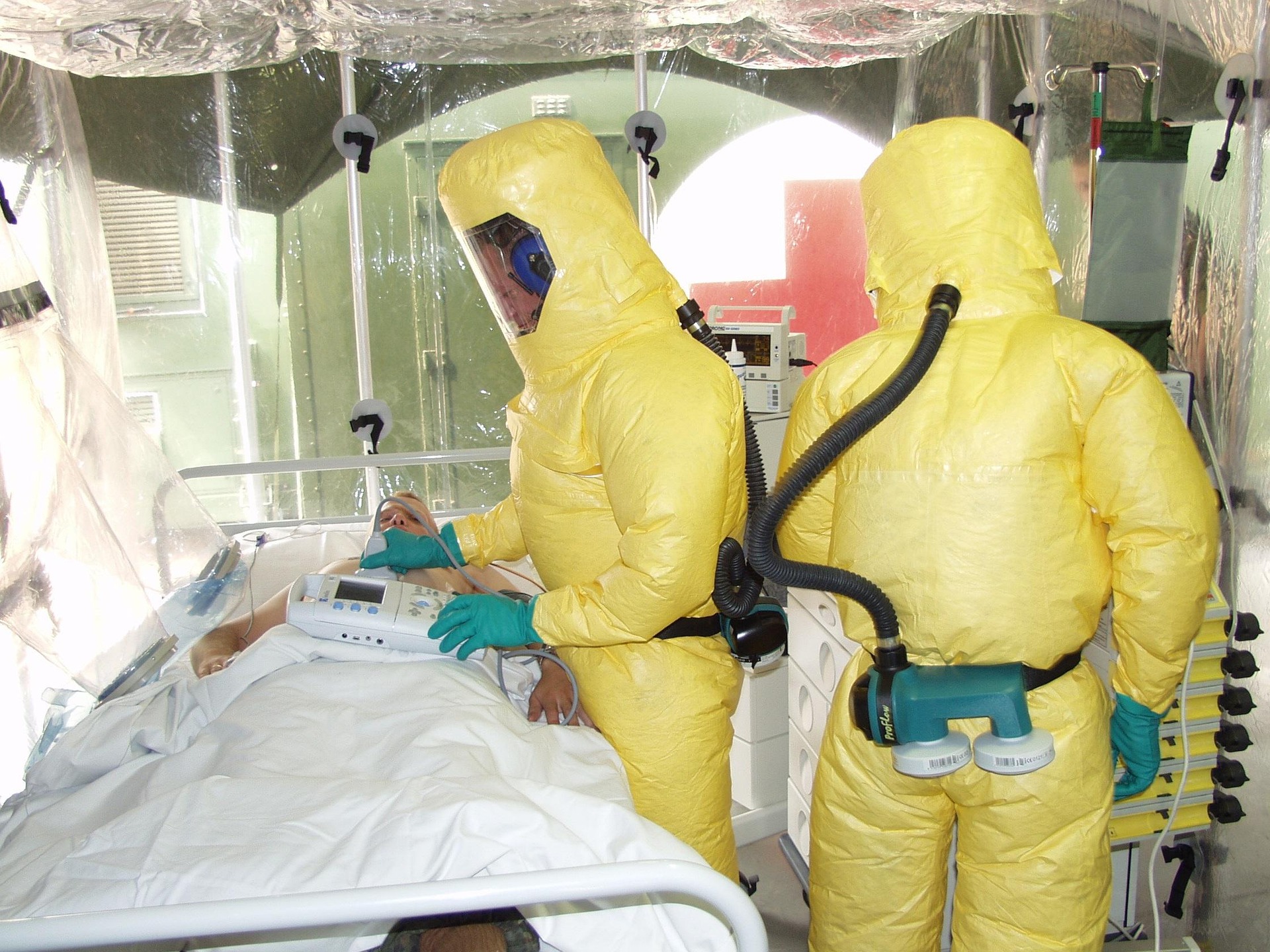
The situation surrounding the proposed U.S. Ebola quarantine facility in Kenya has rapidly escalated into a major legal and diplomatic standoff.
Table Of Content
The High Court in Nairobi has officially ordered a temporary suspension of the entire plan, blocking any deal or implementation until a formal legal challenge can be heard.
Here is a breakdown of the current situation:
The U.S. Proposal & Strategy
The Trump administration announced a plan to set up a 50-bed quarantine and treatment unit at the Laikipia Air Base in Kenya.
- The Target Population: The facility is specifically intended for American citizens (such as aid workers, medical personnel, and diplomats) who are exposed to or contract the rare Bundibugyo strain of Ebola currently spreading in the Democratic Republic of Congo (DRC) and Uganda.
- The Rationale: U.S. officials argue that treating individuals closer to the zone of exposure avoids the risks of a lengthy, 12-hour medical evacuation flight back to the United States. Under current administration rules, recent travelers exposed to the virus are blocked from re-entering the U.S. until they are cleared.
- The Staffing: Over 30 commissioned officers with the U.S. Public Health Service have been training and are slated for deployment to staff the site. The U.S. has also pledged $13.5 million toward Kenya’s broader Ebola preparedness efforts.
The Legal Halt in Kenya
The announcement sparked immediate domestic backlash from civil society, legal bodies, and medical professionals. Acting on petitions filed separately by the Law Society of Kenya (LSK) and the Katiba Institute (a constitutional rights group), High Court Judge Patricia Nyaundi issued orders halting the project.
The court’s injunction establishes that:
- Suspension of Plans: Kenya is legally barred from moving forward with any agreement to establish the facility.
- Admission Ban: The country is strictly prohibited from admitting anyone exposed to or infected by Ebola under this proposed agreement.
- Constitutional Concerns: The petitions argue that the deal was handled secretively, bypassing mandatory public participation and parliamentary oversight. Furthermore, critics point out that Kenya lacks the high-containment infrastructure (such as a certified Level 4 biosafety facility) required to safely manage a live outbreak of this nature, posing severe biosecurity risks to the local population.
The Kenyan Government’s Stance
Before the court ruling, Health Cabinet Secretary Aden Duale confirmed that discussions were underway regarding global “Ebola preparedness and response mechanisms.” However, the Ministry of Health stopped short of publicly endorsing a dedicated American-only quarantine site.
Reports indicate Kenyan officials have pushed back on the exclusivity of the arrangement, arguing that any such facility should be accessible to all nationalities, and that strict adherence to Kenyan biosafety, biosecurity, and national laws must take precedence. Unusual flight activity around the Laikipia Air Base had led to speculation that preliminary logistics were already being set up before the court stepped in.
Global Backlash & Next Steps
The strategy has also drawn heavy fire from international health experts and epidemiologists. Critics argue that “marooning” American health workers abroad if they fall ill creates a massive disincentive for volunteers to go to Central Africa to help contain the outbreak at its source, ultimately making the global situation more dangerous.
The High Court has set the next hearing date for Tuesday, June 2, 2026, where the government and the challenging parties will argue whether the suspension should be made permanent. Until then, the project is at a complete standstill.
Never Miss a Story: Join Our Newsletter