



Kenya Moves to Integrate Madrassas and Duksis into Formal Education System
A directive by William Ruto during the 63rd Madaraka Day celebrations in Wajir on June 1, 2026 has ignited a nationwide conversation on the future of education in Kenya. The proposal seeks to...

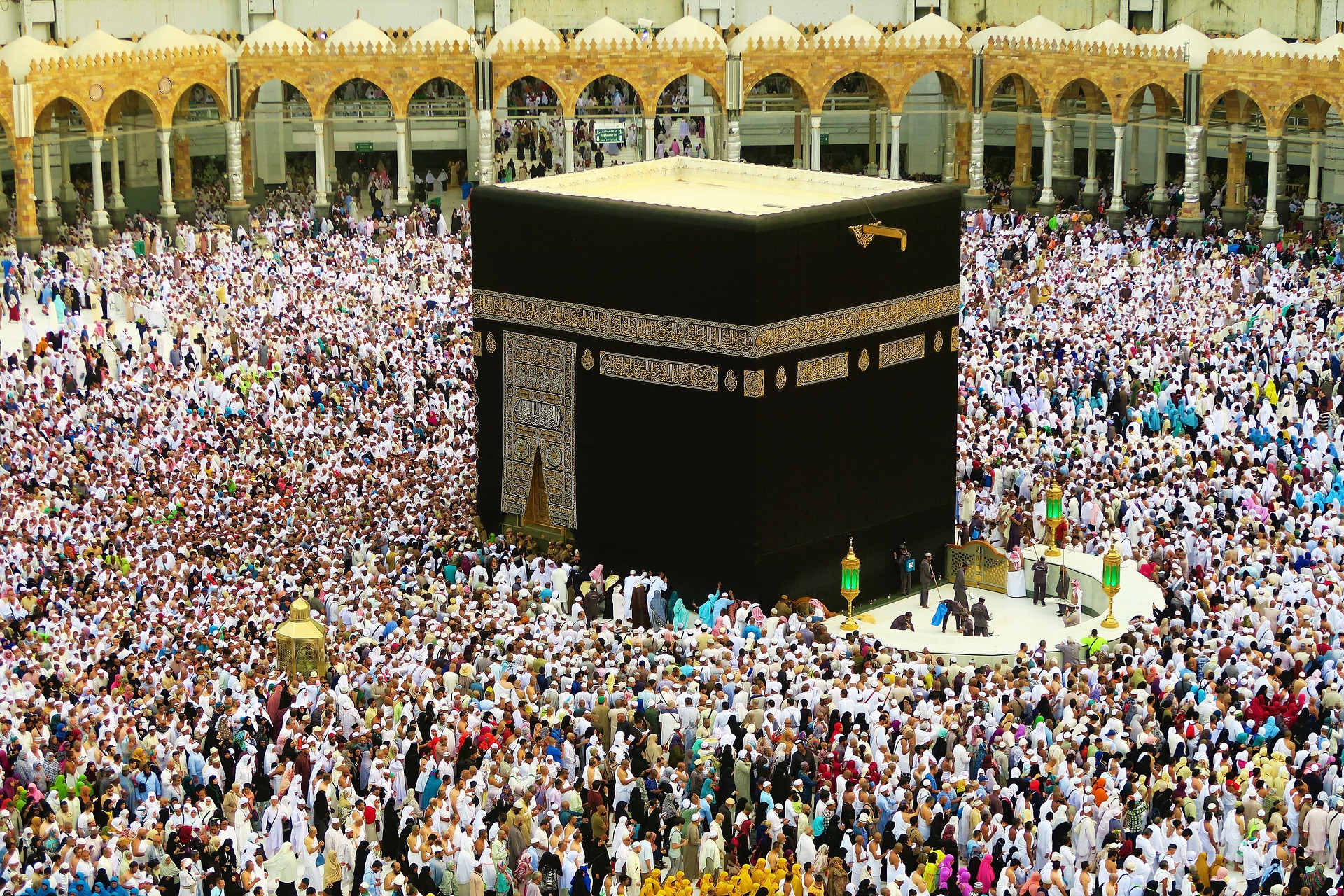
A directive by William Ruto during the 63rd Madaraka Day celebrations in Wajir on June 1, 2026 has ignited a nationwide conversation on the future of education in Kenya. The proposal seeks to formally integrate madrassas and duksi systems—long-standing religious and community-based learning institutions—into the country’s mainstream education framework.
Table Of Content
While the move has been widely framed as a historic attempt to address decades of marginalization in Northern Kenya and coastal regions, it has also triggered a complex debate touching on constitutional secularism, labor concerns, and cultural autonomy.
Understanding the Proposal
At the heart of the directive is a plan assigned to Education Cabinet Secretary Julius Ogamba to amend the Basic Education Act. The goal is to formally recognize three alternative education pathways:
- Madrassa: Islamic schools focusing on Quranic teachings and Arabic language.
- Duksi (or Duksis): Informal, often mobile, community-based Quranic schools common among pastoralist communities.
- Programme for Pastoral Instruction (PPI): Tailored religious and basic education designed for nomadic populations.
For many Kenyans unfamiliar with the term, Duksi refers to traditional Quranic learning spaces, often conducted outdoors or in temporary settings, where children memorize and study Islamic teachings—particularly in pastoralist regions where formal schooling is less accessible.
The Promise: Inclusion and Opportunity
The government’s “Wajir Declaration” highlights a long-standing issue: thousands of children engaged in religious learning are classified as “out of school” because their education is not recognized by formal systems such as the Kenya National Examinations Council.
Supporters argue the reforms could unlock significant opportunities:
- Recognition of Prior Learning (RPL): Learners from duksi or madrassa backgrounds could transition into formal schooling at appropriate levels instead of starting from scratch.
- Access to Jobs and Higher Education: Certification would allow graduates to qualify for government employment, military service, and tertiary education.
On social media, some users welcomed the move:
“Finally, kids from North Eastern won’t be left behind just because their education looked different,” wrote one user on X.
“This is long overdue. Education should reflect our realities, not just urban setups,” posted another on Facebook.
Rising Concerns and Opposition
Despite optimism, the directive has drawn criticism from various quarters.
1. Constitutional and Religious Concerns
Some legal experts argue the move risks breaching Article 8 of the Constitution, which prohibits a state religion.
“If madrassas are integrated, what stops churches from demanding Sunday School be formalized?” one commentator posted online.
Critics warn of a “slippery slope” that could blur the line between religion and state.
2. Teacher Quality and Resource Strain
Teacher unions, including the Kenya National Union of Teachers, have raised concerns over standards:
- Many duksi instructors lack formal teaching qualifications.
- Integrating them without retraining could affect the quality of the Competency-Based Curriculum (CBC).
- With an existing funding gap in education, critics fear overstretching resources.
A teacher posting on social media wrote:
“We’re already understaffed. Where will the government get funds to absorb thousands of new institutions?”
3. Concerns from Muslim Leaders
Interestingly, resistance has also emerged from within the Muslim community. The Council of Imams and Preachers of Kenya has expressed caution over potential state overreach.
Leaders worry about:
- Curriculum dilution: Government oversight could alter religious teachings.
- Time conflicts: Formal schooling hours may limit time for spiritual instruction.
One user echoed this sentiment online:
“We support education, but not at the cost of losing our religious identity.”
The Road Ahead
Experts suggest that a hybrid model may offer the most practical solution—one that preserves religious autonomy while providing academic recognition.
Such a model could include:
- Independent religious instruction alongside formal education
- Standardized “bridge exams” to certify learning without altering curricula
The upcoming nationwide consultations led by CS Ogamba will be critical in shaping the policy’s final form.
President Ruto’s directive represents a bold attempt to redefine inclusivity in Kenya’s education system. For some, it is a long-overdue bridge to opportunity; for others, it raises fundamental questions about identity, governance, and fairness.
As public debate intensifies—both in policy circles and across social media—the success of this initiative will depend on striking a delicate balance: expanding access without compromising constitutional principles or cultural integrity.
Never Miss a Story: Join Our Newsletter