




Oil Tumbles to Multi-Month Lows as Markets Front-Run Proposed Reopening of Strait of Hormuz
Global energy markets and oil futures have responded with a massive, sentiment-driven sell-off following the announcement of the US-Iran de-escalation pact, though severe structural uncertainties are...

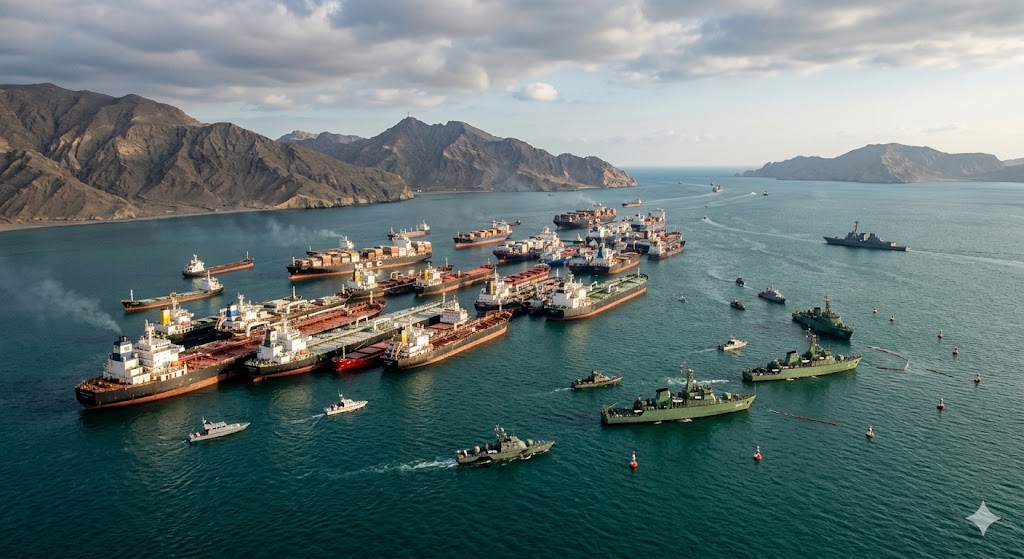
Global energy markets and oil futures have responded with a massive, sentiment-driven sell-off following the announcement of the US-Iran de-escalation pact, though severe structural uncertainties are keeping traders cautious.
Table Of Content
The immediate market impact and long-term outlook break down into several key areas:
1. Plunging Prices and Multi-Month Lows
The prospect of reopening the Strait of Hormuz—which effectively cut off roughly 14 million barrels of global oil supply per day during the peak of the conflict—has triggered a sharp drop in crude benchmarks:
- Brent Crude: Having peaked near $126 a barrel during the height of the crisis, Brent crude futures plunged roughly 30% from their mid-conflict highs, dipping to $78.22 a barrel. This represents the lowest price level recorded since March 3, just days after the war initially broke out.
- West Texas Intermediate (WTI): US crude futures followed a similar downward trajectory, sliding beneath the $76 a barrel mark to hit their lowest points since mid-March.
- Wholesale Gas: European wholesale gas prices also tumbled by roughly 6% immediately following the announcement, relieving broader energy sector pressures.
2. A “Sentiment-Driven” Front-Run
Commodity analysts emphasize that the current price crash is entirely sentiment-driven. The market is essentially front-running a “best-case scenario” for the normalization of global oil flows. Major Wall Street institutions have rapidly adjusted their timelines; for instance, Goldman Sachs aggressively trimmed its year-end Brent crude forecast down to $80 a barrel, anticipating that Persian Gulf oil exports will normalize to prewar volumes by the end of July.
3. The Structural Reality: Why a Quick Fix is Unlikely
Despite the plunging futures contracts, energy economists warn that physically getting the oil back into the global supply chain will take a significant amount of time, setting a higher “floor” for energy prices through the third quarter of 2026:
- The Shipping Bottleneck: There is currently a massive backlog of more than 500 vessels sitting in the region, waiting for safe passage to exit the Gulf.
- The Mine Threat: Before commercial shipping lanes can fully open, naval teams must clear the waterway of maritime mines, drones, and unexploded ordnance left behind by the conflict. Experts estimate this de-mining process will take weeks at an absolute minimum.
- Depleted Stockpiles: Because global emergency crude stockpiles were heavily drained over the 100+ days of the naval blockade, a massive wave of buying is expected as nations race to refill their reserves, keeping structural demand high.
4. The Geopolitical Risk Premium
The futures curve indicates that traders are maintaining a cautious risk premium due to the incredibly fragile nature of the 60-day negotiating window. Analysts from firms like Wood Mackenzie and Capital Economics have warned that if the deal collapses—or if unilateral Israeli strikes shatter the ceasefire—transit through the Strait will instantly reduce back to a trickle. Because global inventories are already at critical levels, a failure of the Geneva signing on Friday could trigger an immediate, violent rubber-band effect, threatening to push Brent crude past $100 and up toward $140 to $150 a barrel later this summer.
Never Miss a Story: Join Our Newsletter