




A Fragile Peace: Netanyahu Rejects US-Iran Accord as Coalition Revolts Over Ceasefire
The official response from Israel following the announcement of the US-Iran memorandum of understanding has been a mix of defiant messaging from Prime Minister Benjamin Netanyahu and open, aggressive...

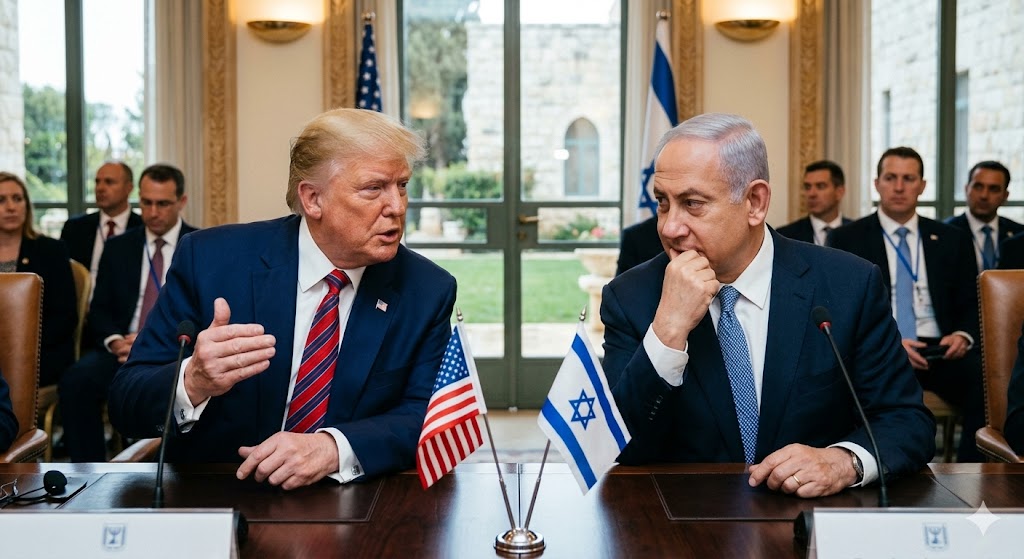
The official response from Israel following the announcement of the US-Iran memorandum of understanding has been a mix of defiant messaging from Prime Minister Benjamin Netanyahu and open, aggressive rebellion from members of his governing coalition.
Table Of Content
Because Israel was not a direct party to the bilateral negotiations mediated by Pakistan, the deal has exposed a severe, historic rift between Netanyahu and U.S. President Donald Trump.
The response from the Israeli leadership breaks down into three key areas:
1. Netanyahu’s Public Reaction: Defiance and Strategic Distance
It took Prime Minister Netanyahu more than 24 hours to address the agreement publicly. When he finally held a press conference in Jerusalem, he carefully walked a line between claiming military victory and distancing Israel from Trump’s diplomatic strategy:
- Claiming Victory: Netanyahu asserted that the joint six-week US-Israeli military campaign against Iran had achieved its primary objective, claiming it “saved the State of Israel from annihilation” and heavily fractured the Iranian economy.
- Distancing from Trump: He pointedly noted that he and President Trump do not always “see eye to eye” on security. Regarding the deal itself, he stated: “This agreement was made by the United States, by the president of the United States… That is his decision, and he is leading it. We do not know what the final agreement will be.”
- The Nuclear Threat: Netanyahu warned that Israel does not consider itself bound by a paper framework, stating: “With an agreement, without an agreement, Iran will never have nuclear weapons. Not today and not tomorrow.”
2. The Lebanon Buffer Zone Standoff
The biggest immediate point of friction is the ceasefire’s application to Lebanon. While Iran insists the deal requires a total cessation of hostilities on all fronts—including the Israel-Hezbollah line—Israel has flatly rejected a military withdrawal.
- Staying Put: Netanyahu explicitly ruled out pulling troops back, declaring that the Israel Defense Forces (IDF) will remain in their newly established “security buffer zones” in southern Lebanon, Gaza, and Syria “for as long as necessary to protect our country.”
- Defense Ministry Stance: Israeli Defense Minister Israel Katz reinforced this, stating he had directly informed U.S. Secretary of Defense Pete Hegseth that Israel opposes any IDF withdrawal from Lebanon, regardless of current or future diplomatic pressures.
3. Open Rebellion Within the Coalition and Domestic Backlash
While Netanyahu has chosen his words carefully regarding Trump, the more hawkish, far-right elements of his ruling coalition have slammed the deal as an absolute disaster.
- Coalition Fury: National Security Minister Itamar Ben-Gvir went public on X (formerly Twitter), stating bluntly, “Trump’s agreement does not bind us. Israel is not subject to the United States.” Finance Minister Bezalel Smotrich labeled the pact “bad for Israel and the entire free world. Period.”
- Domestic Criticism: The deal has also sparked immense political fury from Netanyahu’s political rivals ahead of the fall elections. Opposition leaders Yair Lapid and Gadi Eisenkot have called the deal “one of the most shocking failures in Israel’s foreign policy,” arguing that Netanyahu dragged the country into a war promising to destroy Iran’s nuclear infrastructure, only for the U.S. to exit the conflict via a deal that leaves Iran’s nuclear capabilities largely intact while unfreezing billions in assets.
The Immediate Reality: This friction is already playing out on the ground. Just hours before the deal was finalized, Israel launched airstrikes on Beirut in retaliation for Hezbollah drones—a move that reportedly left President Trump furious over the timing. Despite the announced MoU, the IDF has continued localized strikes in southern Lebanon, putting the entire peace framework on a hair trigger ahead of Friday’s formal signing ceremony in Geneva.
Never Miss a Story: Join Our Newsletter