Every Family Seems to Know Someone
There was a time when dementia was rarely discussed in Kenyan homes. Elderly people who forgot names, wandered away from home, repeated the same stories, or became confused were often dismissed as “simply growing old.” Others were viewed through cultural or spiritual lenses, with some communities attributing the changes to curses, witchcraft, or supernatural causes.
Today, something appears to have changed.
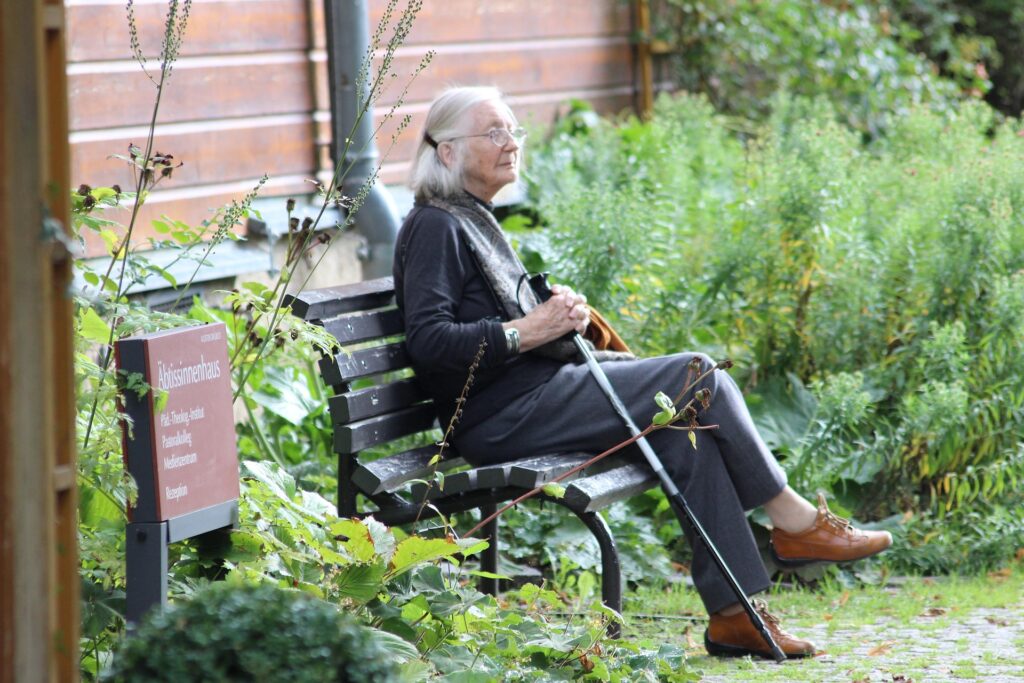
Across villages, towns, and cities, an increasing number of families are caring for elderly parents and grandparents who are gradually losing their memories. Adult children now tell stories of mothers who can no longer remember their own children, fathers who repeatedly ask the same question within minutes, and grandparents who suddenly lose their way home after walking familiar paths for decades.
Whether in rural Bungoma, Kisii, Meru, Kitui, or the bustling estates of Nairobi, many Kenyans are asking the same question:
“Why does it seem like almost everyone over 80 is developing dementia?”
The perception is understandable. Around the world, dementia is becoming one of the fastest-growing health challenges of the 21st century. According to the World Health Organization, more than 57 million people worldwide were living with dementia in 2021, and nearly 10 million new cases are diagnosed every year. More than 60 percent of these cases already occur in low- and middle-income countries, including many across Africa. The numbers are expected to rise sharply as populations age. Although dementia is becoming increasingly common, experts emphasize that it is not a normal or inevitable part of aging.
Read Also:Navigating the Modern Crisis: Stress, Isolation, and the Path Forward
Why Dementia Feels Like a New Disease
In reality, dementia is not new.
What has changed is humanity itself.
Only a century ago, relatively few people lived into their eighties. Infectious diseases, poor nutrition, limited medical care, and high infant mortality meant average life expectancy was much lower than it is today.
Medical advances have transformed that picture.
Vaccinations, antibiotics, safer childbirth, improved sanitation, blood pressure medication, diabetes treatment, and better emergency care have dramatically increased survival. Millions of people who once would have died in middle age are now reaching their eighties and nineties.
Ironically, this remarkable success has exposed a different challenge.
The longer we live, the more likely we are to develop diseases that primarily affect older age—including dementia.
Researchers sometimes describe dementia as the price humanity pays for living longer.
Dementia Is Not Just Forgetfulness
Many people assume dementia simply means forgetting names.
It is far more serious than that.
Dementia is an umbrella term describing a group of disorders that progressively damage brain cells, interfering with memory, reasoning, language, judgment, and eventually the ability to perform everyday tasks.
Someone living with dementia may:
- Forget recent conversations while vividly recalling events from decades ago.
- Become confused about time or place.
- Lose the ability to manage money.
- Repeat the same questions many times.
- Accuse relatives of stealing items they themselves misplaced.
- Wander away from home.
- Forget how to cook familiar meals.
- Fail to recognize close family members.
- Experience personality changes, anxiety, depression, aggression, or hallucinations.
Eventually, many people become completely dependent on caregivers.
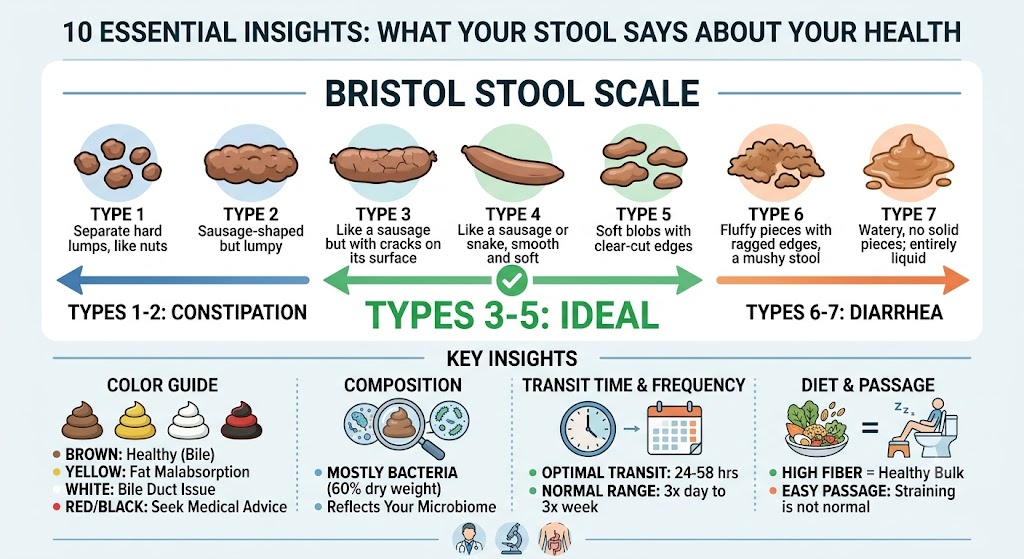
Read Also: What Your Stool Says About Your Health: 10 Essential Insights
The Brain Begins Dying Decades Before Symptoms Appear
Perhaps the most surprising discovery in modern neuroscience is that dementia does not suddenly appear when someone turns 80.
Scientists now believe the disease process often begins 20 to 30 years earlier.
Tiny abnormal proteins gradually accumulate inside the brain.
Blood vessels slowly become damaged.
Inflammation quietly increases.
Brain cells begin dying years before anyone notices memory problems.
By the time the first obvious signs appear, significant and often irreversible brain damage has already occurred.
This is why researchers increasingly view dementia not as an illness of old age, but as a lifelong disease influenced by health, lifestyle, and environmental factors over decades.
Why Are More Kenyans Seeing It?
Kenya is undergoing a demographic transition that has received far less attention than it deserves.
The country remains relatively young, but the number of older adults is increasing rapidly as life expectancy improves.
At the same time, Kenya is experiencing an explosion of chronic illnesses that increase dementia risk, including:
- Hypertension.
- Diabetes.
- Obesity.
- Stroke.
- Heart disease.
- High cholesterol.
These conditions damage blood vessels throughout the body—including those that nourish the brain.
Doctors sometimes describe the brain as an organ that reflects the health of the entire cardiovascular system.
A healthy heart supports a healthy brain.
Read Also:Are You Really “Too Acidic”? A Deep Dive Into the 5 Different Acids That Control Your Health
Could Modern Life Be Making Matters Worse?
Researchers increasingly believe that modern lifestyles may be accelerating cognitive decline.
Among the strongest modifiable risk factors are:
- Physical inactivity.
- Poor diets high in ultra-processed foods.
- Smoking.
- Excessive alcohol use.
- Untreated hearing loss.
- Untreated vision impairment.
- Chronic stress.
- Social isolation.
- Air pollution.
- Depression.
- Poor sleep.
- Repeated head injuries.
Many of these factors begin affecting the brain in middle age—long before retirement.
The Hidden Role of High Blood Pressure
One of the most important but overlooked drivers of dementia is hypertension.
For years, uncontrolled high blood pressure silently damages delicate blood vessels inside the brain.
Tiny strokes may occur without obvious symptoms.
Reduced blood flow slowly starves brain tissue of oxygen and nutrients.
Eventually, enough cumulative damage occurs that memory and thinking begin to decline.
This means protecting the brain often starts with something as simple—and as challenging—as keeping blood pressure under control.
Alzheimer’s Disease Is Only One Type
Many people use “Alzheimer’s” and “dementia” interchangeably.
They are not the same.
Dementia is the broad category.
Alzheimer’s disease is the most common cause, accounting for an estimated 60–70% of dementia cases.
Other forms include:
- Vascular dementia.
- Lewy body dementia.
- Frontotemporal dementia.
- Mixed dementia.
Each affects the brain differently, though they often produce similar symptoms.
The Emotional Cost Families Rarely Discuss
Medical statistics cannot capture the heartbreak dementia brings into a family.
Imagine watching your mother prepare tea three times because she cannot remember doing it moments earlier.
Imagine your father introducing himself to his own grandchildren.
Imagine a husband asking every morning where his wife is—even though she has slept beside him for fifty years.
Caregivers often experience exhaustion, anxiety, depression, financial hardship, and social isolation. Many reduce their working hours or leave employment entirely to provide full-time care.
In many Kenyan households, this burden falls on daughters or daughters-in-law, frequently without formal support or training.
The Cultural Challenge
In some communities, dementia is still misunderstood.
An elderly person who becomes suspicious, confused, or behaves unusually may be labelled stubborn, bewitched, or mentally unstable.
Such misconceptions can delay medical assessment and increase stigma.
Faith communities, traditional leaders, healthcare workers, and the media all have an important role in explaining that dementia is a medical condition affecting the brain—not evidence of moral failure, curses, or spiritual weakness.
Can Dementia Be Prevented?
There is currently no guaranteed way to prevent dementia.
However, there is also reason for hope.
Growing evidence suggests that up to 45% of dementia cases could potentially be delayed or prevented by reducing modifiable risk factors across the lifespan. That does not mean every case is preventable, but it highlights the importance of lifelong brain health.
Experts recommend:
- Controlling blood pressure.
- Managing diabetes.
- Staying physically active.
- Eating a Mediterranean-style diet rich in vegetables, fruits, legumes, whole grains, fish, and healthy fats.
- Avoiding smoking.
- Limiting alcohol.
- Maintaining healthy hearing and vision.
- Treating depression.
- Staying socially connected.
- Challenging the brain through reading, learning, music, puzzles, or new skills.
- Prioritizing quality sleep.
Brain health begins long before retirement.
Read Also: Ebola: Origins, Evolution and the Current East-Central African Crisis
Is Kenya Ready?
This is perhaps the most important question.
As Kenya’s population ages, demand for geriatric specialists, neurologists, psychiatrists, memory clinics, community care, and caregiver support will continue to rise.
Families are already carrying much of the responsibility, often with little guidance.
Without stronger investment in healthy aging, dementia awareness, early diagnosis, and support services, many households could face profound emotional and economic strain.
The challenge is not simply medical. It is social, economic, and deeply personal.
The Future Depends on What We Do Today
Dementia is not an inevitable consequence of growing old, but neither can it be ignored.
Every year that people control their blood pressure, exercise, eat well, stay mentally active, protect their hearing, and remain socially engaged may help preserve brain health for longer.
The greatest lesson from today’s research is simple: caring for the brain begins decades before memory starts to fade.
For Kenya, the rising number of older adults is a sign of progress. People are living longer than previous generations. The next challenge is ensuring those extra years are lived with dignity, independence, and the best possible cognitive health.
The silent epidemic has already begun. The decisions made today—by individuals, families, healthcare providers, and policymakers—will determine whether tomorrow’s older generation enjoys longer lives with healthy minds or faces an avoidable crisis of memory and care.
Never Miss a Story: Join Our Newsletter