The global obsession with weight-loss jabs has crossed a dangerous new threshold. Long before health regulators in the United States, United Kingdom, or Europe have even decided whether a promising new drug is safe for human consumption, illicit copycat versions are already circulating on the black market.
The drug at the center of the storm is retatrutide, an experimental weight-loss injection developed by pharmaceutical giant Eli Lilly. Still undergoing Phase III clinical trials, retatrutide has not been approved for public use by any regulatory body in the world. Yet, unregulated and unverified versions of the jab—nicknamed “reta” by users—are flooding informal supply chains globally.
From gym locker rooms, nail salons, and hairdressers to social media feeds on TikTok and street sellers, counterfeiters are tapping into an unprecedented public appetite for rapid weight loss.
The ‘Triple G’ Promise
The surge in black-market demand stems from early trial results that suggest retatrutide could be the most powerful weight-loss drug ever developed. While current treatments like semaglutide (Ozempic, Wegovy) and tirzepatide (Mounjaro) target one or two hormone receptors, retatrutide targets three:
- GLP-1: Delays stomach emptying and signals fullness to the brain to reduce overall appetite.
- GIP: Enhances insulin secretion and improves how the body processes nutrients.
- Glucagon: Increases resting energy expenditure to burn more calories while aiding in liver fat breakdown.
This multi-pronged mechanism has earned retatrutide the moniker “triple G”. However, medical researchers warn that clinical trial success does not guarantee final approval. Historically, only about 50 percent of drugs entering Phase III trials receive final approval from the U.S. Food and Drug Administration (FDA), often due to unforeseen side effects or reduced efficacy across diverse populations.
Acting as Their Own ‘Lab Rats’
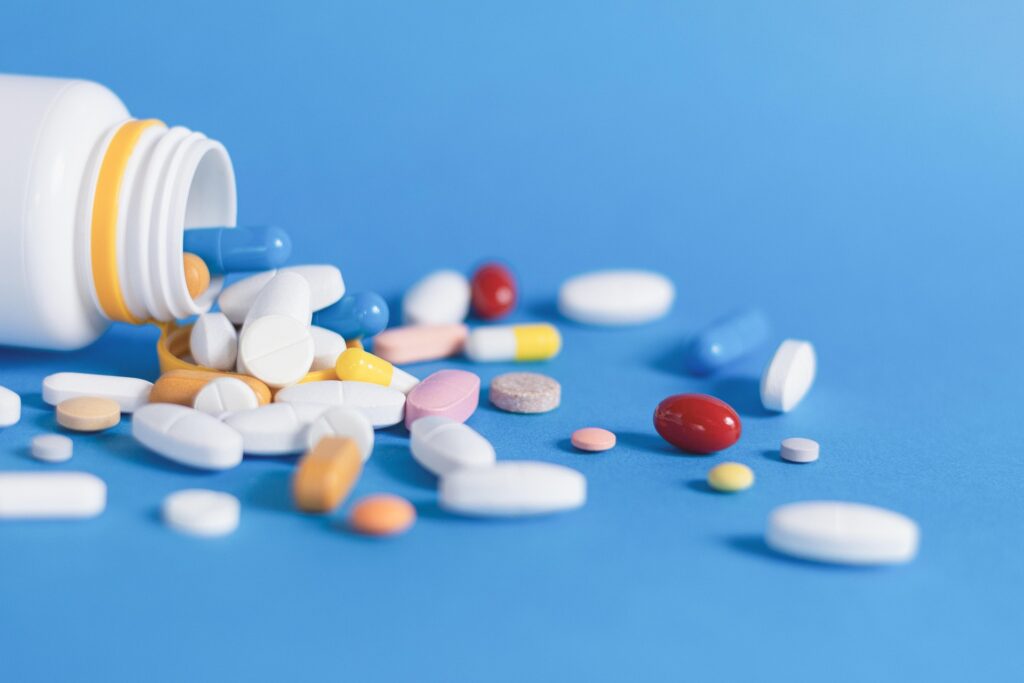
Because illegal suppliers sell crude, unverified peptide powders that often arrive in unlabelled vials requiring manual reconstitution with sterile water, buyers face severe risks of contamination and dosing errors.
Medical professionals are already treating the fallout. Endocrinologists and emergency room doctors report seeing young, otherwise healthy individuals arriving at hospitals suffering from severe dehydration, violent nausea, diarrhea, and in severe cases, acute kidney failure.
“If users who buy it online become their own doctor, they’re taking a huge risk,” warns Dr. Nas Khattak, a research physician involved in screening candidates for official trial runs. He notes that legitimate trial participants undergo extensive psychiatric evaluation, organ screening, and continuous blood monitoring—oversight completely absent in black-market transactions.
For 20-year-old Tom Davies from Brighton, UK, a recommendation at his local gym led him to order a batch from an online Chinese supplier. Due to confused dosing calculations, Davies inadvertently injected eight times the intended amount.
“It was horrendous,” Davies recalled. “My body felt so under pressure… like someone had dropped a 20kg weight on my stomach. For 72 hours, I had really bad diarrhea and nausea. I thought I was going to end up in the emergency room.”
Other users report alarming non-physical side effects, including severe brain fog, complete loss of libido, and an enduring inability to feel joy or emotional satisfaction.
Crackdowns and the Long Road to Approval
Eli Lilly is aggressively fighting to protect its intellectual property and public safety. The drugmaker has flagged and reported over 14,000 websites, advertisements, and social media posts selling illicit retatrutide. It has also initiated legal actions against compounding pharmacies, peptide distributors, and wellness clinics distributing fake versions of the compound.
“Any retatrutide available online is unapproved, unverified, and simply not worth the risk,” an Eli Lilly spokesperson stated, highlighting that illicit mixtures frequently contain unknown impurities, incorrect chemical concentrations, or no active ingredients at all.
In the UK, the Medicines and Healthcare Products Regulatory Agency (MHRA) has carried out multiple raids and seized illicit shipments, attempting to choke off international distribution channels.
Despite the crackdown, legitimate access remains years away. Eli Lilly plans to submit its formal filing for FDA approval in early 2027. Given standard regulatory review windows, genuine retatrutide will likely not be legally available to patients in the United States until late 2027 at the earliest, with European and UK rollouts expected in 2028.
Until then, health officials emphasize that taking unvetted compounds from the internet remains a dangerous, potentially life-threatening gamble.
Never Miss a Story: Join Our Newsletter