



The Life and Times of Ted Turner
Few figures in modern media transformed the world as dramatically as Ted Turner. Loud, ambitious, unpredictable, and relentlessly visionary, Turner was the man who dared to imagine a world connected...

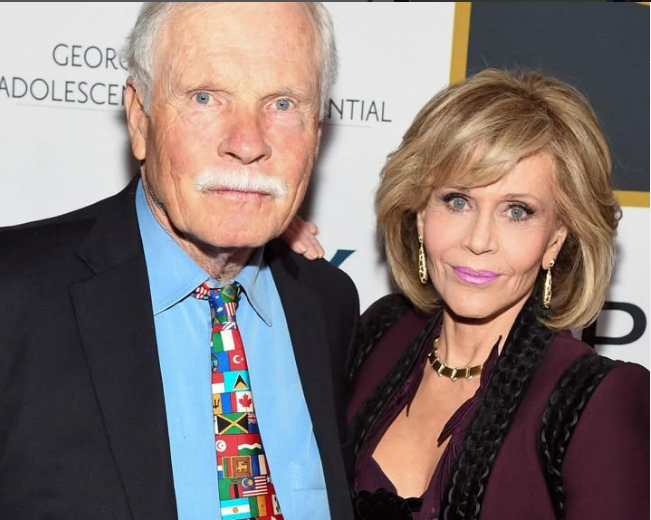
Few figures in modern media transformed the world as dramatically as Ted Turner. Loud, ambitious, unpredictable, and relentlessly visionary, Turner was the man who dared to imagine a world connected by nonstop television news long before the internet existed. Through innovation, risk-taking, and sheer force of personality, he reshaped journalism, sports broadcasting, entertainment, and even global philanthropy.
Table Of Content
Early Life and Personal Struggles
Robert Edward “Ted” Turner III was born on November 19, 1938, in Cincinnati, but he grew up primarily in Atlanta. His father, Ed Turner, operated a billboard advertising company and was known for his strict and demanding personality.
Turner attended Brown University but was expelled before graduating. Despite setbacks, he later joined his father’s business and quickly demonstrated an aggressive entrepreneurial spirit. Tragedy struck in 1963 when his father died by suicide, leaving the young Turner to take over the struggling company at just 24 years old.
Many close to Turner later described this moment as the defining turning point in his life. Determined not to fail, he expanded the billboard business and soon ventured into broadcasting.
The Birth of a Media Empire
In the 1970s, Turner purchased a small UHF television station in Atlanta that would later become WTBS — one of America’s first “superstations.” By using satellite technology to beam content nationwide, Turner revolutionized cable television distribution.
But his boldest gamble came in 1980.
Against the advice of industry experts, Turner launched CNN — the world’s first 24-hour cable news network.
Critics mocked the idea. Many believed viewers would never watch news around the clock. Turner ignored them.
CNN slowly gained traction before exploding into global prominence during the 1991 Gulf War, when audiences around the world relied on live CNN broadcasts from Baghdad. The network changed journalism forever, introducing real-time global news coverage that is now standard across modern media.
Turner later expanded his empire through:
These networks helped shape entertainment culture for generations.
The Maverick Personality
Ted Turner was never a conventional businessman.
He was outspoken, impulsive, competitive, and frequently controversial. Known for his sharp tongue and larger-than-life confidence, Turner often clashed with politicians, executives, and journalists alike.
Yet many admired his fearless approach. He embraced risks others considered impossible. He believed television could unite the world and openly described CNN as a “global peace force.”
Turner was also an accomplished yachtsman. In 1977, he won the prestigious America’s Cup sailing competition, further cementing his reputation as a daring competitor.
Sports and Atlanta Pride
Turner became deeply associated with Atlanta sports culture.
He owned the Atlanta Braves and the Atlanta Hawks, helping elevate Atlanta’s national sports identity.
The Braves, broadcast nationwide on WTBS, became “America’s Team” during the 1980s and 1990s because fans across the United States could watch their games through Turner’s superstation network.
Philanthropy and Environmental Activism
Beyond business, Turner devoted enormous energy to philanthropy and environmental causes.
In 1997, he stunned the world by pledging $1 billion to support United Nations initiatives, helping establish the United Nations Foundation.
He became one of the world’s most prominent advocates for:
- Environmental conservation
- Nuclear disarmament
- Global health initiatives
- Wildlife preservation
Turner also accumulated one of the largest private land holdings in North America, using much of it for conservation and sustainable ranching projects.
Later Years and Health Challenges
In later life, Turner gradually stepped away from the media spotlight following the merger of Turner Broadcasting with Time Warner. Although his influence remained enormous, many observers believed the corporate mergers diluted the independent spirit he once brought to television.
In 2018, Turner publicly revealed he was battling Lewy body dementia, a progressive neurological condition.
Despite declining health, he continued to speak passionately about environmental issues and global cooperation.
Death and Legacy
Ted Turner died in May 2026 at the age of 87, closing the chapter on one of the most consequential careers in broadcasting history.
His death prompted tributes from journalists, world leaders, athletes, and media executives across the globe. Many described him as the man who changed how humanity experiences news.
Today, the concept of live global coverage — from wars and elections to disasters and sporting events — feels normal. But before Ted Turner, it did not exist in the way we know it.
He was often controversial.
He was frequently unconventional.
But he was undeniably revolutionary.
Ted Turner did not simply build television networks.
He transformed the rhythm of modern media itself.
Never Miss a Story: Join Our Newsletter