




Karibu Homes Residents Demand Answers as Cracks Force Evacuation of Apartments in Athi River
Homeowners at Karibu Homes in Athi River, Machakos County, are demanding urgent answers from the developer after cracks appeared in apartment blocks, raising concerns about the safety and structural...

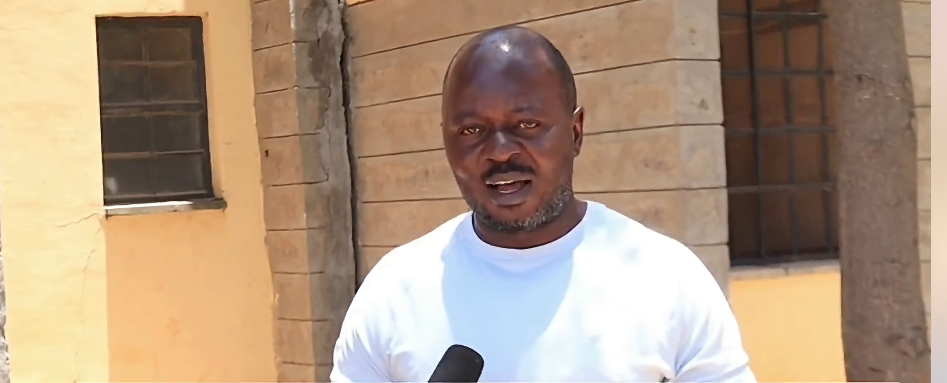
Homeowners at Karibu Homes in Athi River, Machakos County, are demanding urgent answers from the developer after cracks appeared in apartment blocks, raising concerns about the safety and structural integrity of the homes.
Table Of Content
According to a Citizen TV report published on September 19, 2026, some residents have been ordered to vacate their homes by the Machakos County Government following concerns over the cracks.
The development has left affected homeowners facing an uncomfortable dilemma: leave their homes for safety reasons while continuing to deal with the financial obligations attached to properties they are still paying for.
Residents demand action from developer
The affected homeowners are calling on the developer, identified in the report as Ravi Kohli, to take responsibility for the situation and retrofit the affected units to make them safe for occupation.
For residents who invested in the apartments as homes, the appearance of structural cracks has turned what was supposed to be a long-term investment into a source of uncertainty and fear.
Some homeowners reportedly continue to service mortgages on the affected properties despite being unable to safely occupy them.
The residents are therefore seeking more than assurances. They want the affected buildings assessed, repaired where necessary and certified as safe before they can confidently return to their homes.
Machakos County orders residents out
The decision by the Machakos County Government to have residents vacate the affected apartment blocks underscores the seriousness of the concerns.
Structural cracks in a residential building do not automatically mean that a building is about to collapse. However, their significance depends on factors such as their location, size, pattern, progression and the underlying cause.
Cracks affecting structural elements such as columns, beams, slabs or load-bearing walls require professional assessment because they can indicate problems that cannot be resolved through cosmetic repairs alone.
The residents’ demand for retrofitting therefore puts the focus on establishing exactly what caused the cracking and what engineering measures are necessary to restore the buildings to an acceptable safety standard.
A wider concern for Kenya’s property market
The Karibu Homes situation also highlights a broader issue confronting Kenya’s rapidly expanding residential property market: the need to ensure that construction quality keeps pace with the country’s demand for affordable housing.
Karibu Homes’ Riverview development in Athi River has previously been documented as an affordable-housing project. A case study by the Centre for Affordable Housing Finance in Africa examined the development and interviewed homeowners about their experiences.
The latest concerns therefore put renewed attention on the importance of proper design, construction supervision, inspections and compliance throughout the life of a housing project.
For buyers, purchasing a home involves considerably more than obtaining a title or signing a mortgage agreement. The physical quality of the building can ultimately determine whether the investment provides the security and value that the buyer expected.
Homeowners caught between safety and financial obligations
For the affected Karibu Homes residents, the immediate concern is personal safety.
But the financial consequences could be equally significant.
A homeowner who has taken a mortgage may still be required to make monthly repayments even when the property has become difficult or impossible to occupy.
This creates a complicated question of responsibility involving homeowners, developers, lenders, insurers and government regulators.
The residents’ call for the affected homes to be retrofitted suggests that they want a permanent engineering solution rather than simply being relocated temporarily.
What happens next?
The key issue now is whether a detailed structural assessment will establish the extent and cause of the cracking and what remedial measures are required.
The situation also raises questions about the inspections and approvals that were carried out before and during construction, although responsibility for the defects should ultimately be determined through the relevant technical investigations rather than assumed from the appearance of cracks alone.
Kenya has witnessed several recent incidents involving building defects and structural failures, increasing public attention on construction oversight.
In January 2026, for example, a 16-storey building collapsed in Nairobi’s South C area, killing two people. Authorities subsequently faced questions over the approvals and oversight surrounding the project.
In another case, residents of a building in Westlands were evacuated in April 2026 after cracks reportedly developed during excavation works on an adjacent property.
The Karibu Homes case is different in its circumstances, but it adds to growing public scrutiny of the safety of multi-storey residential developments.
For the homeowners in Athi River, however, the immediate demand is straightforward: answers, a professional assessment and a safe place to live.
Until the structural concerns are resolved, the cracks at Karibu Homes will remain more than a cosmetic problem. For the affected families, they represent a question over the safety of their homes and the security of what may be among their biggest financial investments.
Never Miss a Story: Join Our Newsletter