
In a world of constant notifications, phone calls, social media updates and demands from other people, spending time alone can sometimes feel like something we should avoid.
But solitude is not necessarily loneliness.
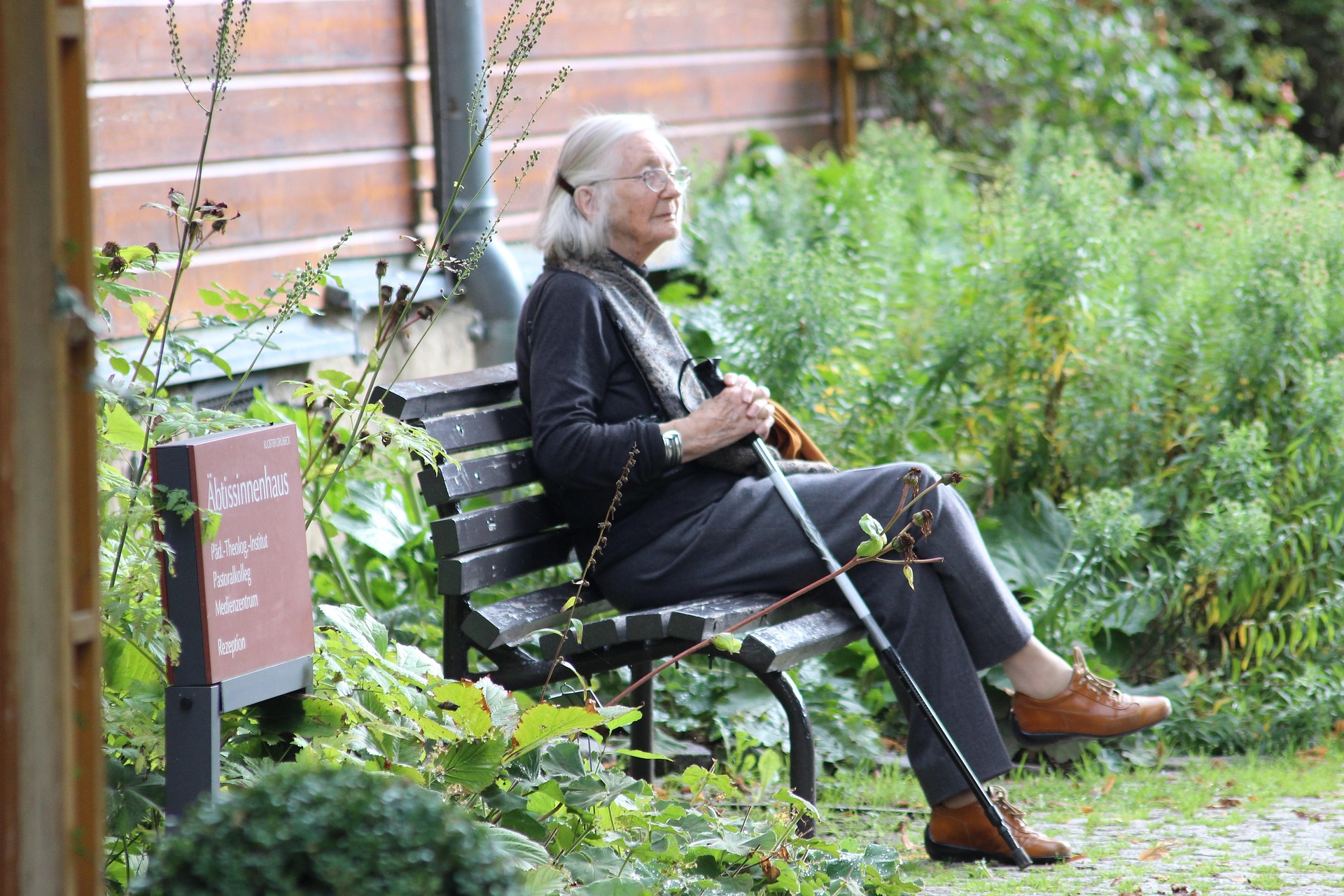
In fact, researchers are increasingly finding that deliberately choosing to spend some time alone can have benefits for well-being.
The important word is “choosing.”
There is a significant difference between taking a few hours away from other people to rest, think or recharge and being cut off from meaningful relationships against your wishes.
Research published in Scientific Reports found that time spent alone can have both positive and negative effects. On days when people spent more time alone, they reported lower stress and greater satisfaction with their sense of autonomy. However, more solitude was also associated with greater loneliness and lower satisfaction when that solitude was not chosen.
So how can healthy solitude help?
1. It gives your mind a break
Modern life rarely gives the brain much opportunity to be completely quiet.
There is always another message to answer, another conversation to follow, another piece of information to process or another responsibility demanding attention.
Choosing to spend some time alone can create a psychological pause.
You might sit quietly, take a walk, read a book, pray, listen to music or simply do nothing for a while.
That break can allow you to step away from the constant demands of everyday life.
Research on solitude has found that people can experience lower levels of high-arousal emotions such as excitement and anxiety during periods of being alone. People who viewed solitude positively were also more likely to experience increases in calm, positive emotions.
2. You regain a sense of control
One of the most interesting findings about solitude concerns autonomy.
When you are constantly surrounded by other people, your time can easily become shaped by their expectations.
You may have to answer questions, respond to requests, attend meetings, accommodate other people’s preferences or participate in conversations when you would rather rest.
Being alone gives you greater control over what you do.
A 2024 study involving 178 people found that satisfying psychological needs for autonomy and competence during solitude was associated with greater day satisfaction and, in some circumstances, less loneliness.
This does not mean withdrawing from everyone.
It means occasionally giving yourself permission to decide how you want to spend your own time.
3. It can help reduce everyday stress
Sometimes the most relaxing part of a day is simply being somewhere nobody is demanding anything from you.
You do not necessarily need an expensive holiday or a weekend away.
A quiet morning before everyone wakes up can provide a similar opportunity.
So can an evening walk, sitting in a quiet room, reading or having a cup of tea without your phone constantly demanding your attention.
Research has found that people can experience lower stress on days when they spend more time in solitude, particularly when that solitude is voluntary.
The key is intentionality.
4. It gives you space to think
Constant interaction can make it difficult to hear your own thoughts.
Solitude creates room for reflection.
You can think about where your life is going, what is troubling you, what you actually want and which decisions need your attention.
For some people, this may happen during prayer or meditation.
For others, it may happen while walking, writing in a journal or simply sitting quietly.
This kind of reflection can be particularly valuable when life becomes complicated.
Instead of immediately asking everyone else what they think, you first give yourself an opportunity to understand what you think.
5. It can make ordinary activities more enjoyable
Being alone does not have to mean sitting in a dark room feeling miserable.
Solitude can be active.
You can cook, exercise, garden, read, listen to music, watch a film, take photographs or explore somewhere new.
The experience can become an opportunity to reconnect with activities you genuinely enjoy rather than activities you perform because somebody else expects you to.
Researchers have found that the way people interpret solitude matters.
People who view time alone as meaningful or restorative can experience it more positively than people who interpret the same experience as rejection or abandonment.
6. You may return to other people with more energy
Healthy solitude is not necessarily about escaping people permanently.
Sometimes it is about taking a break so that you can return to relationships feeling refreshed.
Think about charging a phone.
The phone is not useful because it remains connected to the charger forever.
It needs to disconnect and function again.
Human beings are obviously much more complicated than smartphones, but the analogy illustrates an important point: periods of quiet can sometimes help us recover from the demands of social interaction.
This may be particularly useful for people whose work involves constant communication with customers, colleagues or the public.
7. It can help you discover what you actually enjoy
When you are always surrounded by other people, your preferences can become mixed with theirs.
What music do you actually like?
What do you enjoy reading?
Where do you want to go?
What are your priorities?
What are you working toward?
Solitude can provide an opportunity to explore these questions without immediately adjusting your answers to fit somebody else’s expectations.
This can strengthen a sense of personal identity and autonomy.
But solitude has a dangerous opposite
There is an important warning.
Choosing solitude is not the same as becoming socially isolated.
The U.S. Centers for Disease Control and Prevention defines social isolation as having little or no relationships, contact or support from other people. It distinguishes this from loneliness, which is the feeling of being disconnected or lacking meaningful relationships. Both can have serious health consequences.
A large meta-analysis covering 90 prospective studies and more than 2.2 million people found associations between social isolation, loneliness and increased risks of several adverse health outcomes, including mortality.
That means “I need some time alone” and “I don’t want to have anything to do with anyone anymore” should not automatically be treated as the same thing.
One can be healthy.
The other may be a warning sign that a person needs connection and support.
So how much alone time is healthy?
There is no universal number of hours that works for everyone.
A 21-day study found no single “optimal” balance between solitude and socializing that applied to everybody. Individual differences mattered, and voluntary solitude tended to be experienced differently from unwanted isolation.
For one person, 30 minutes of quiet may be enough.
Another person may enjoy spending an entire afternoon reading, walking or working on a personal project.
The important question is not simply:
“How much time am I spending alone?”
It is also:
“How do I feel during and after that time?”
If solitude leaves you refreshed, peaceful and ready to reconnect with life, it may be serving a useful purpose.
If it consistently leaves you lonely, hopeless, disconnected or unwilling to maintain important relationships, more isolation may not be the answer.
The healthy way to practise solitude
You do not have to disappear from the world to experience the benefits of being alone.
Start small.
Put your phone away for 30 minutes.
Take a walk without constantly checking notifications.
Sit somewhere quiet.
Read a few pages of a book.
Pray.
Write down your thoughts.
Have a meal by yourself occasionally.
Or simply allow yourself to enjoy a period when nobody expects anything from you.
Then reconnect with the people who matter.
That may ultimately be the healthiest approach to solitude: not running away from people, but deliberately creating enough quiet to return to them as a calmer and more grounded version of yourself.
The goal is not isolation.
It is balance.
Never Miss a Story: Join Our Newsletter