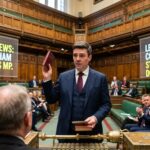




BREAKING NEWS: Keir Starmer Resigns as UK Prime Minister, Clearing Way for 7th Leader in a Decade
LONDON — In a dramatic morning outside 10 Downing Street, Prime Minister Keir Starmer officially announced his resignation as leader of the governing Labour Party. The stunning exit comes just two...

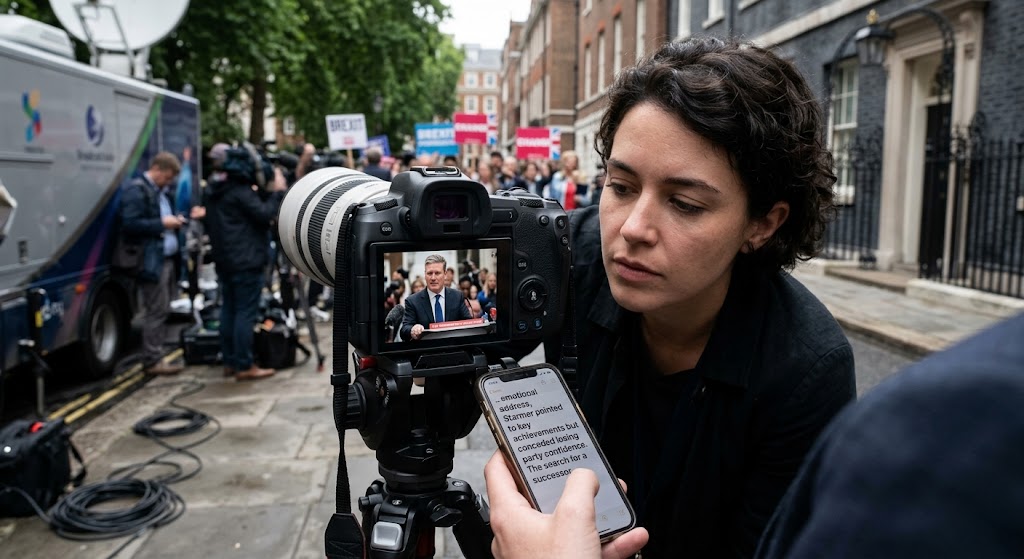
LONDON — In a dramatic morning outside 10 Downing Street, Prime Minister Keir Starmer officially announced his resignation as leader of the governing Labour Party. The stunning exit comes just two years after he led the party to a historic landslide majority, unraveled by a collapse in public approval and overwhelming internal party rebellion.
Table Of Content
As Starmer spoke at the podium, his voice cracked with emotion when thanking his family, while nearby protesters blasted the European Union’s anthem, Ode to Joy, signaling the highly charged political atmosphere on the eve of the 10th anniversary of the Brexit referendum.
Why Now? The Anatomy of a Fall
While Starmer entered office promising stable governance after 14 years of Conservative rule, his administration quickly became paralyzed by economic stagnation, underfunded public services, and intense public backlash over policy U-turns—most notably regarding planned cuts to disability benefits that triggered a 100-MP backbench rebellion.
The ultimate breaking point followed a series of crushing municipal elections in May, where insurgent parties like Reform UK made massive gains, terrifying Labour lawmakers over their prospects in the next general election.
“The question my party is asking now is whether I am best placed to lead us into the next general election,” Starmer conceded during his address. “I have heard the answer of my parliamentary party to that question, and I accept that answer with good grace.”
The Transition Timeline
Starmer will remain in office as a caretaker prime minister to prevent total governance paralysis while the Labour Party executes an expedited leadership transition.
1.Caretaker Period Begins:Immediate.
Starmer handles basic day-to-day government operations but holds no mandate for major new policy initiatives.
2.Leadership Nominations Open:July 9, 2026.
Official parliamentary declarations for the Labour leadership open. Candidates must be sitting Members of Parliament (MPs).
3.The Coronation or Contest:Mid-July to late August.
If a single candidate secures overwhelming backing, a new prime minister could be in place within weeks. If contested, a wider party vote occurs over the summer.
4.New Prime Minister Sworn In:By September 1, 2026.
The winner officially takes office before Parliament returns from its summer recess.
The Clear Frontrunner: Andy Burnham
The immediate focus has shifted entirely to Andy Burnham, the popular former Mayor of Greater Manchester. In a highly coordinated internal party maneuver, a fellow Labour MP resigned their seat to allow Burnham to contest and win a June 18 special by-election in Makerfield.
Burnham arrived in London via train and was formally sworn into Parliament, making him legally eligible to assume the premiership.
| Key Political Developments | Impact on the Race |
| Wes Streeting Withdraws | The former Health Secretary and chief rival officially stood down and endorsed Burnham to avoid an aggressive, summer-long party battle. |
| Uncontested Path | With major cabinet heavyweights backing him early, political analysts predict Burnham could run entirely unopposed, entering Downing Street as early as mid-July. |
| Public Sentiment | Early snap polling from YouGov indicates 62% of Britons believe Starmer made the right decision to resign, opening a brief window of goodwill for a new leader. |
The Road Ahead
Whoever inherits the keys to Number 10 will face staggering domestic and geopolitical headwinds. The UK is currently wrestling with deep national debt and threadbare public services with little fiscal room to raise taxes. Internationally, the incoming Prime Minister will have to navigate volatile global energy prices and manage a tense relationship with a highly unpredictable Trump administration in the United States.
Never Miss a Story: Join Our Newsletter