




Kenyan Data Scientist Builds AI Tool to Spot Hidden Mental Health Crises on Social Media
During the height of the 2020 COVID-19 lockdowns, data scientist Diana Opiyo noticed a troubling pattern across social media: subtle, unspoken cries for help—jokes masking despair, sudden account...

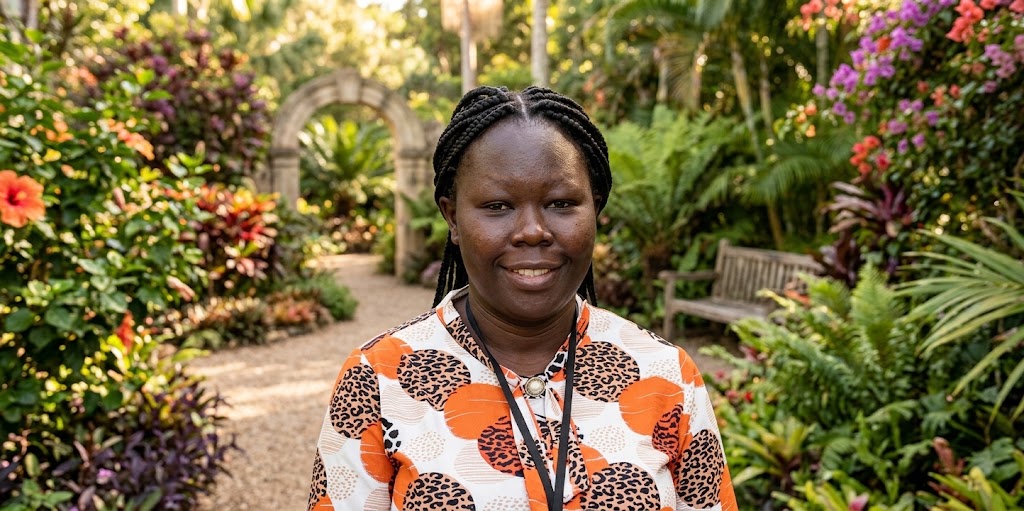
During the height of the 2020 COVID-19 lockdowns, data scientist Diana Opiyo noticed a troubling pattern across social media: subtle, unspoken cries for help—jokes masking despair, sudden account silences, or long posts detailing financial ruin. That observation has since evolved into MindGuard AI, an artificial intelligence system designed to detect hidden mental health crises and route at-risk individuals to human counsellors.
Table Of Content
The Scale of Kenya’s Mental Health Crisis
Mental health conditions affect between 10.3% and 25% of Kenya’s population, accounting for roughly 13% of the nation’s total disease burden. The distress is heavily concentrated among young people:
- High Prevalence: Depression, anxiety, and substance use disorders disproportionately affect 18-to-29-year-olds, while 44% of adolescents report mental health challenges.
- Treatment Gap: Up to 75% of mental health cases in Kenya go untreated due to a severe shortage of registered psychiatrists and specialized primary care training.
- Economic Impact: The Ministry of Health estimates the annual economic cost of lost productivity and healthcare spending at Sh62.2 billion.
Following recommendations from a 2020 taskforce chaired by Dr. Frank Njenga—which advised declaring mental illness a national emergency and decriminalizing suicide attempts—Opiyo recognized that traditional healthcare infrastructure alone could not bridge the gap in time.
How MindGuard AI Works
Unlike simple keyword alerts that flag single alarming posts, MindGuard AI analyzes long-term behavioral trajectories.
- Multi-Platform Integration: With explicit user consent, the tool connects across nine social media networks—including Facebook, X, Reddit, YouTube, TikTok, Bluesky, and Mastodon—to evaluate up to six months of public posting history.
- Contextual Analysis: The system uses a fine-tuned language model built on Mental-RoBERTa, a transformer trained to recognize linguistic patterns associated with psychological distress.
- Human-in-the-Loop Safeguards: The tool functions strictly as a screening mechanism, not a diagnostic device. It never contacts individuals directly. When a timeline crosses a predefined risk threshold, the case is routed to a trained human counsellor, who reviews the context before deciding on outreach.
Recognition and Next Steps
In preliminary evaluations on test data, the model achieved a 92.5% accuracy rate and a 0.9813 ROC-AUC score. Opiyo emphasizes that while these research metrics indicate strong predictive performance, full clinical validation remains an upcoming milestone.
MindGuard AI has gained early international traction, taking Best Overall Project at Grand Valley State University’s College of Computing Innovation Day and earning runner-up honors (with $600 in seed funding) in the Emerging Ideas Track at the Grand Rapids DeepTech Pitch Competition in Michigan.
Opiyo, a former mathematics and statistics lecturer at the Technical University of Mombasa, is currently wrapping up Phase 1 (English language development) and preparing for pilot testing. To scale national adoption, MindGuard AI is actively seeking funding and partnerships with Kenyan counselling organizations and helpline services. Future plans for Phase 2 include expanding the model’s training to comprehend Sheng.
Never Miss a Story: Join Our Newsletter