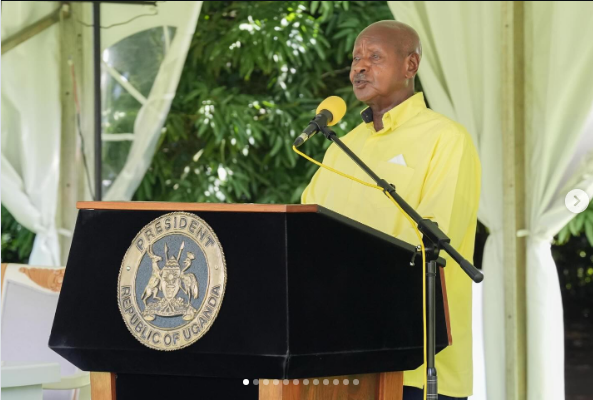
Few leaders in modern Africa have shaped their nation as profoundly as Yoweri Kaguta Museveni. For decades, Yoweri Kaguta Museveni has remained at the center of Uganda’s political, economic, and security landscape, guiding the country through periods of recovery, growth, and intense political debate.
For many East Africans, Yoweri Kaguta Museveni represents more than a president—he is a symbol of revolutionary change, long-term leadership, and the complexities that come with power. His journey from a rural upbringing to one of Africa’s longest-serving leaders is both compelling and controversial.
This article explores the life of Yoweri Museveni in depth—his early years, ideological evolution, armed struggle, governance, personal life, and the legacy he continues to shape.
Early Life and Background of Yoweri Kaguta Museveni
Rural Roots and Upbringing
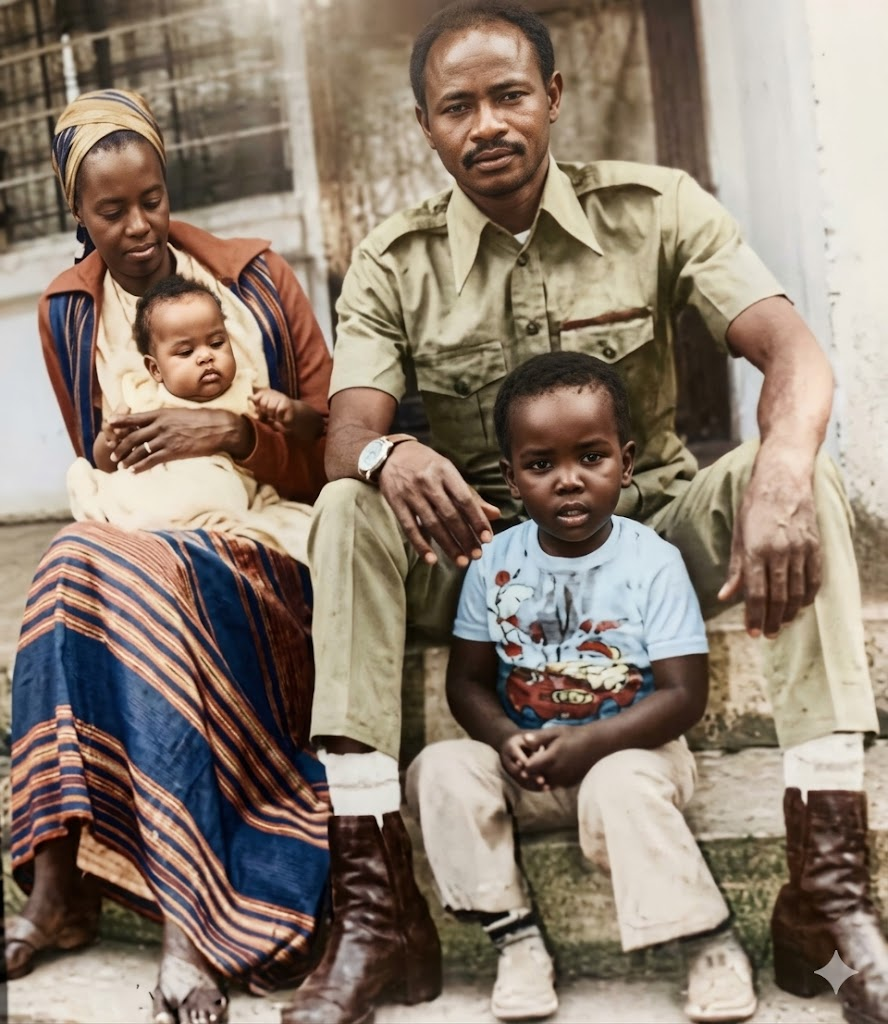
Yoweri Kaguta Museveni was born on September 15, 1944, in Ntungamo District in southwestern Uganda. Raised in a pastoral community among the Banyankole, his early life revolved around cattle keeping, discipline, and communal values.
These rural foundations would later influence Yoweri Museveni’s consistent emphasis on agriculture, self-reliance, and grassroots development.
Education and Early Leadership Traits
Yoweri Kaguta Museveni attended Ntare School, one of Uganda’s most prestigious institutions. Known for producing future leaders, the school helped shape his discipline, confidence, and intellectual curiosity.
Even in his youth, Museveni showed signs of leadership and a growing awareness of political developments across Africa.
Intellectual Formation: University and Ideology
The University of Dar es Salaam Experience
A defining chapter in the life of Yoweri Kaguta Museveni was his time at the University of Dar es Salaam. In the late 1960s, this institution was a hub for revolutionary ideas and African liberation thought.
Here, Museveni encountered:
- Pan-Africanism
- Marxist ideology
- Anti-colonial movements
These ideas deeply influenced Yoweri Kaguta Museveni, shaping his belief that Africa needed strong, self-determined leadership to overcome its challenges.
Ideological Foundations
During this period, Yoweri Museveni developed a worldview centered on:
- African unity
- Economic independence
- Resistance to external domination
Although his ideology would evolve over time, these early influences remained central to how Yoweri Kaguta Museveni approached leadership.
Entering Politics: Turbulence and Resistance
Uganda Under Idi Amin
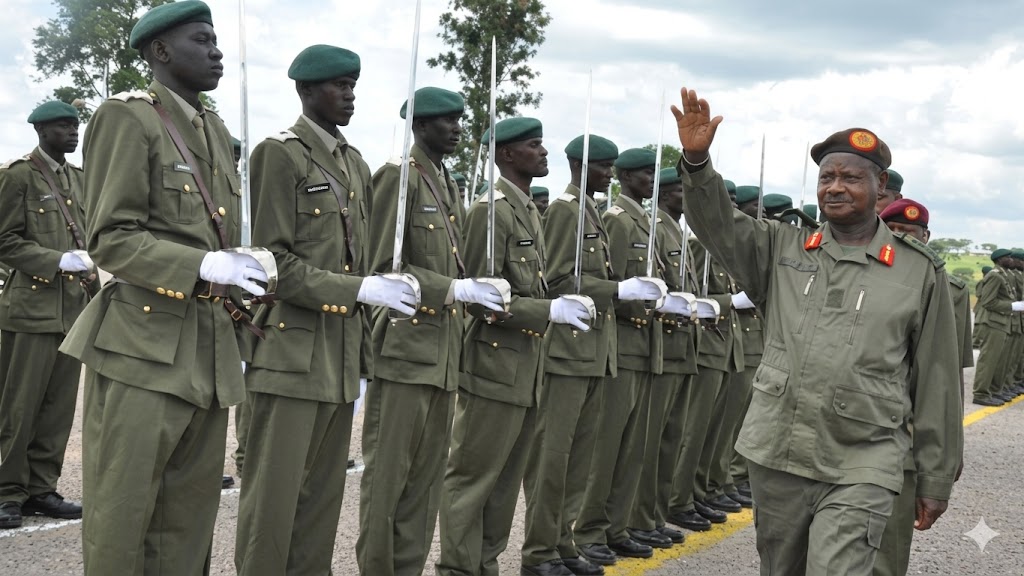
The rise of Idi Amin in 1971 marked one of the darkest periods in Uganda’s history. Like many politically conscious Ugandans, Museveni opposed Amin’s regime.
He became involved in resistance efforts aimed at removing the dictatorship, contributing to the broader struggle that led to Amin’s fall in 1979.
Disputed Elections and a Turning Point
After Amin’s removal, Uganda remained unstable. The 1980 elections, which returned Milton Obote to power, were widely contested.
For President Yoweri this moment reinforced his belief that meaningful political change required more than electoral processes—it required structural transformation.
The Bush War: Rise of a Revolutionary Leader
Formation of the National Resistance Army
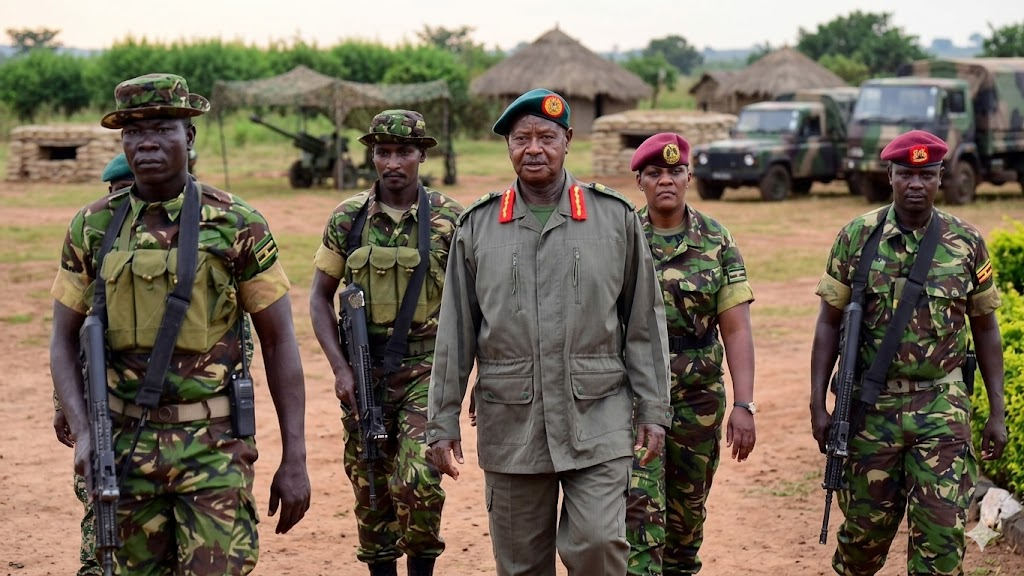
In 1981, Museveni launched a guerrilla war through the National Resistance Army (NRA).
The Bush War would become the defining struggle in the life of Yoweri Kaguta Museveni, lasting five years and reshaping Uganda’s future.
Life in the Bush
The NRA operated under difficult conditions:
- Limited resources
- Constant military pressure
- Harsh living environments
Despite these challenges, Mr. Yoweri maintained discipline within the ranks and emphasized political education among fighters.
Victory and Capture of Power
In January 1986, the NRA captured Kampala, bringing Yoweri Museveni to power.
This moment marked the beginning of a new chapter—not just for Kaguta Museveni, but for Uganda as a whole.
Presidency: Rebuilding Uganda
Restoring Stability
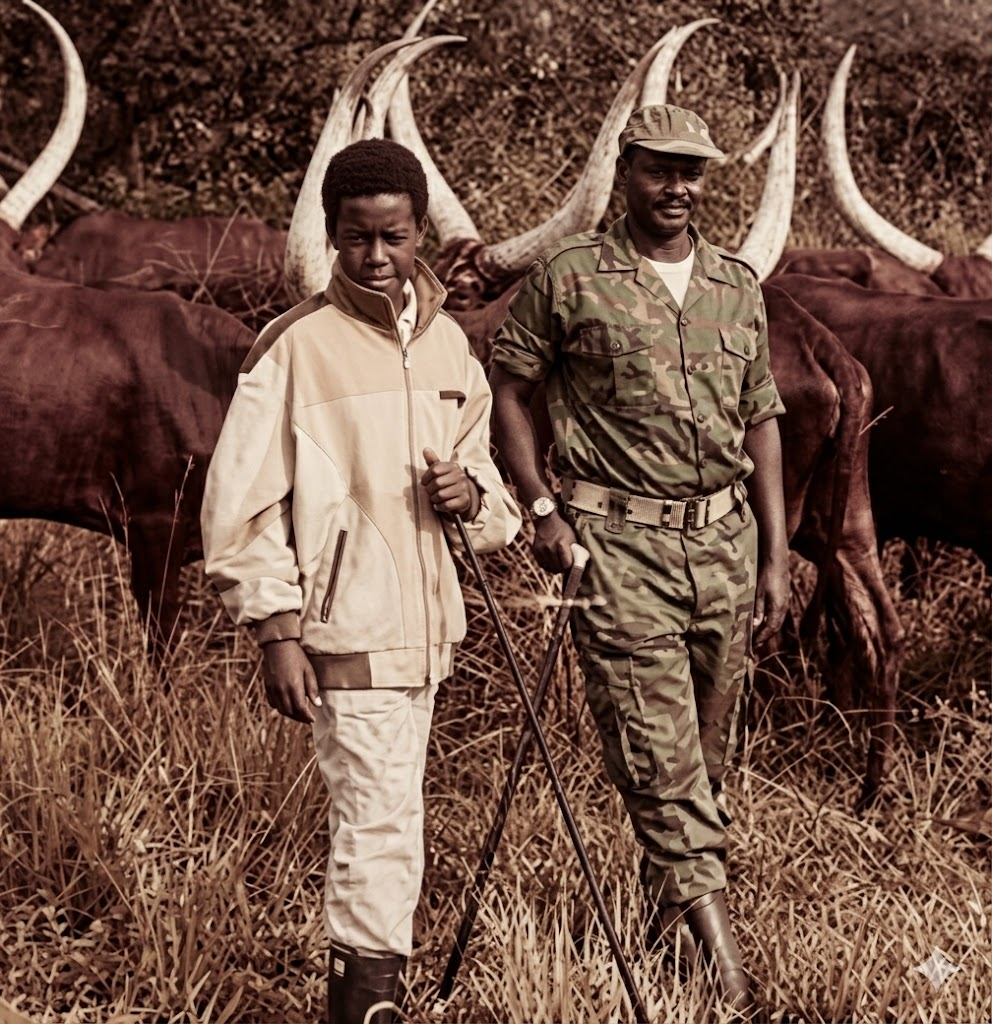
When Museveni assumed leadership, Uganda was emerging from years of conflict and economic collapse.
His early priorities included:
- Restoring security
- Rebuilding institutions
- Promoting national unity
These efforts helped stabilize the country and rebuild public confidence.
Economic Reforms and Growth
Yoweri Museveni implemented economic reforms that transformed Uganda’s economy:
- Liberalization policies
- Encouragement of foreign investment
- Reduction of inflation
These policies contributed to sustained economic growth and positioned Uganda as a recovery success story.
Governance Model
Initially, Mr . Yoweri introduced the Movement system, which limited party competition in favor of national unity.
While this approach reduced political fragmentation, it also drew criticism for restricting political pluralism.
Regional Influence of President Kaguta Museveni
Role in East and Central Africa
Beyond Uganda, Museveni has played a significant role in regional politics.
Uganda has been involved in:
- Conflicts in South Sudan
- Security matters in Democratic Republic of the Congo
Relations with Regional Leaders
Yoweri Museveni has maintained complex relationships with leaders such as Paul Kagame.
These relationships reflect both cooperation and competition within the region.
Political Longevity and Strategy
Staying in Power
One of the most remarkable aspects of President Museveni’s career is his longevity.
His continued leadership is supported by:
- Strong political organization
- Strategic adaptability
- Control over state structures
Opposition and Competition
Figures such as Kizza Besigye and Bobi Wine have challenged Yoweri Kaguta Museveni.
These political contests have shaped Uganda’s modern political environment.
Family and Personal Life of Yoweri Kaguta Museveni
Marriage and Wife
Yoweri Kaguta Museveni is married to Janet Museveni, a prominent political figure.
She has served in key government roles and is widely regarded as an influential partner in both public and private spheres.
Children and Public Interest
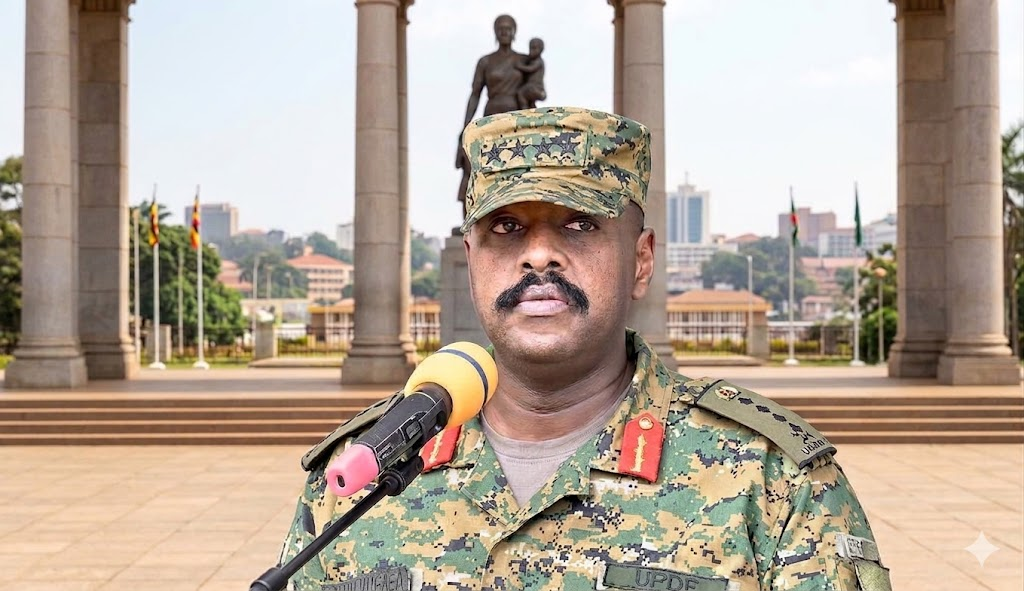
Among his children, Muhoozi Kainerugaba is the most publicly visible, serving in senior military positions.
Discussions about leadership succession often include his name, reflecting public curiosity about the future.
Grandchildren and Private Life
While Yoweri Museveni is a grandfather, details about his grandchildren remain largely private, reflecting a controlled approach to personal visibility.
Personal Interests and Lifestyle
Passion for Agriculture
A defining personal interest of President Yoweri Museveni is agriculture.
He consistently promotes:
- Farming as a path to wealth
- Rural development
- Economic self-sufficiency
Intellectual Life
Yoweri Kaguta Museveni is also an author and thinker, known for his book Sowing the Mustard Seed.
His speeches often reflect deep engagement with history, politics, and economics.
Discipline and Routine
Known for his structured lifestyle, Yoweri Kaguta Museveni maintains a disciplined routine influenced by his military background.
Stand on Social Issues: Sexuality Debate
Conservative Position
The Ugandan President has taken a conservative stance on LGBTQ+ issues.
His government has supported laws that restrict same-sex relationships, citing cultural and societal values in Uganda.
Global and Local Reactions
These policies have drawn criticism internationally, while domestically they often align with prevailing social attitudes.
This remains one of the most debated aspects of President Yoweri’s leadership.
Criticism and Controversy
Constitutional Changes
Key constitutional amendments under Kaguta Museveni include:
- Removal of presidential term limits
- Removal of age limits
These changes have fueled debates about democracy and governance.
Governance Concerns
Critics of Yoweri Kaguta Museveni point to:
- Restrictions on political opposition
- Concerns about electoral processes
- Issues related to civil liberties
Supporters, however, argue that his leadership has ensured stability and growth.
Succession and the Future
The Big Question
As one of Africa’s longest-serving leaders, Yoweri Kaguta Museveni faces ongoing questions about succession.
Key concerns include:
- Leadership transition
- Institutional strength
- Future political stability
Legacy of President Museveni
Achievements
Yoweri Kaguta Museveni is credited with:
- Restoring stability
- Reviving the economy
- Strengthening regional influence
Ongoing Debate
At the same time, his long tenure raises questions about:
- Democratic governance
- Political transition
- The balance between stability and freedom
Notable Quotes by President Yoweri . K . Museveni
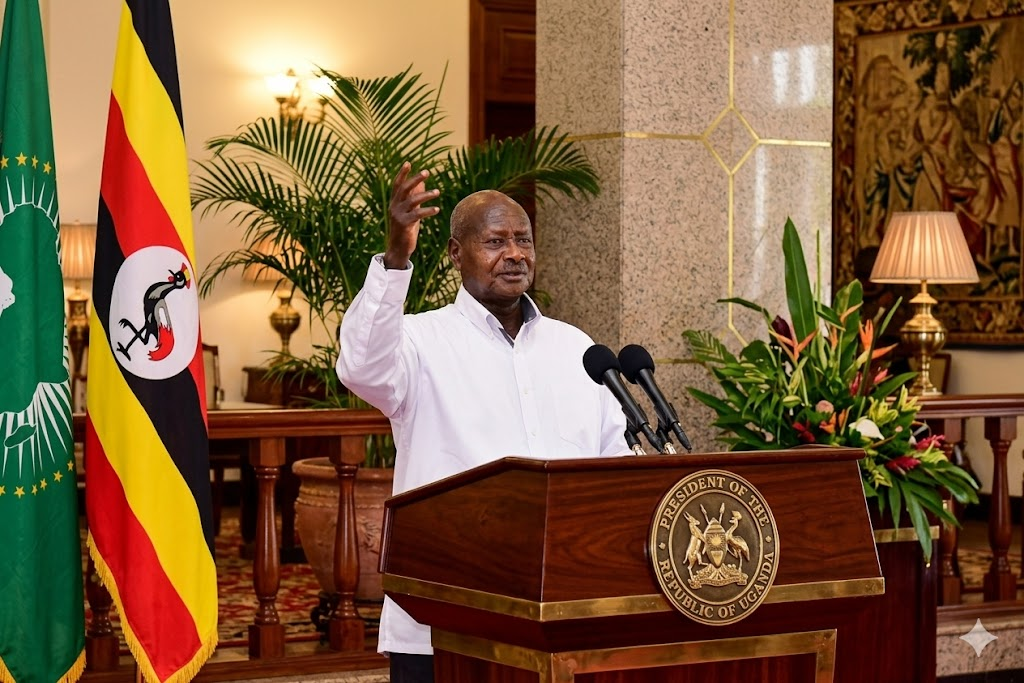
The public statements of President Yoweri Museveni offer insight into his political philosophy, leadership approach, and long-standing views on governance, development, and African unity. Below is a curated selection of his notable quotes, presented in a structured and professional format.
Leadership and Governance
- “The problem of Africa, in general, and Uganda in particular, is not the people but leaders who overstay in power.”
- “I am not a servant of anybody. I am a servant of the people of Uganda.”
- “Leadership is about solving problems, not creating them.”
Revolution and Use of Power
- “An army of the people cannot be defeated.”
- “The gun is not for staying in power, it is for removing those who misuse power.”
- “We fought for freedom, not for positions.”
Economic Development and Wealth Creation
- “You cannot prosper without working.”
- “Africa must stop exporting raw materials and start adding value.”
- “Wealth creation at household level is the foundation of national development.”
Pan-Africanism and Regional Integration
- “Africa’s problem is not lack of resources, but lack of proper leadership.”
- “We must integrate if we are to survive in a globalized world.”
- “The destiny of Africa lies in unity.”
Society, Culture, and Discipline
- “Our culture is important and must be preserved.”
- “Discipline is the foundation of progress.”
Political Ideology and Perspective
- “Politics should be about interests, not identity.”
- “We must build systems, not depend on individuals.”
Contextual Note
The quotations of President Yoweri Museveni reflect a blend of revolutionary thought, pragmatic governance, and long-term ideological positioning. Many of his earlier statements—particularly those addressing leadership and political transition—continue to be referenced in contemporary discussions, highlighting their enduring relevance within Uganda and across East Africa.
Conclusion: The Enduring Story of Kaguta Museveni
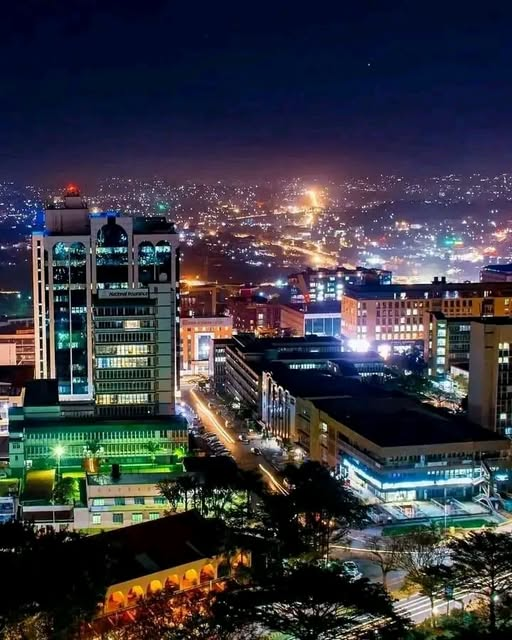
The story of Yoweri Kaguta Museveni is deeply intertwined with the history of Uganda.
From a young student influenced by revolutionary ideas to a long-serving head of state, Yoweri Kaguta Museveni remains one of the most influential—and debated—leaders in Africa.
His legacy continues to evolve, shaped by both his achievements and the questions that surround his future. For East Africans and the world alike, understanding Yoweri Kaguta Museveni is essential to understanding the region’s past, present, and possible future.
Never Miss a Story: Join Our Newsletter