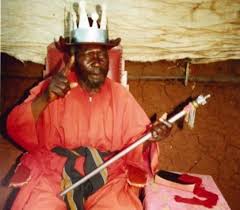
Bungoma has in recent years become a kind of epicenter for controversial religious leaders. From the late Jehovah Wanyonyi, who proclaimed himself God, to the current Yesu wa Tongaren, who claims to be Jesus Christ reincarnated, the region has a track record of producing religious figures who push theology into uncharted—and often unsettling—territory. But why here, and why now?
1. A Deep Tradition of Religious Experimentation
Western Kenya has long been fertile ground for alternative religious movements. Dini ya Musambwa, founded by Elijah Masinde in the 1940s in Bungoma, fused anti-colonial struggle with prophecy and traditional practices. It wasn’t just a religion but also a resistance movement against colonial and missionary control.
That legacy of blending faith with politics and culture created a precedent: new prophets could emerge, reinterpret Christianity, and win loyal followings by speaking directly to people’s lived struggles.
2. Economic Hardship Breeds Spiritual Hunger
Counties in Western Kenya consistently post poverty rates of 30–40% according to national surveys. Joblessness, land pressure, and the high cost of living make people vulnerable to leaders who promise miraculous solutions—whether instant wealth, healing, or divine protection.
For a struggling family, a prophet who claims to cure illness without expensive hospital bills or who promises “breakthroughs” feels more relevant than a traditional church sermon on abstract doctrine.
3. High Trust in Clergy vs. Distrust of Institutions
Kenya’s Afrobarometer survey shows that over 40% of Kenyans trust religious leaders “a lot”, more than they trust politicians or even local councils. That trust gives religious figures enormous influence. At the same time, disappointment with state services—poor healthcare, unemployment, corruption—creates a vacuum. Into that vacuum step prophets with big promises.
4. Bungoma’s Media Effect
What makes Bungoma stand out is not just that prophets emerge there—it’s that they go viral. The story of “Yesu wa Tongaren” became national news because of the spectacle and because social media amplified his claims. Smartphones are now in over 70% of Kenyan households, meaning a fringe preacher can reach a national audience overnight.
The more unusual the claim—calling oneself Jesus, claiming to heal HIV, predicting doomsday—the faster it spreads. In a media economy that rewards shock value, Bungoma’s prophets have learned how to capture attention.
5. Politics and Pulpits Intertwined
Western politics has long leaned on religious networks for mobilization. Leaders attend church fundraisers and court pastors for endorsements. That legitimizes even small or fringe groups: once politicians are photographed with a controversial prophet, the figure gains visibility and credibility among followers.
6. Cultural Resonance of Spirit Belief
Among Luhya communities in particular, belief in curses, witchcraft, and spiritual warfare remains influential. Prophets who dramatize healing, exorcism, or the power to neutralize curses speak to a very real cultural concern. That makes their message more compelling than structured denominations that avoid those themes.
7. Weak Regulation and Proliferation
Kenya currently has tens of thousands of registered religious societies, but oversight is minimal. Anyone can start a church with little more than paperwork. After the 2023 Shakahola tragedy, the state promised tighter regulation, but reforms remain slow and contested. In that gap, new outfits mushroom unchecked.
What This Means
The rise of unorthodox sects in Bungoma is not random. It reflects a perfect storm of poverty, cultural beliefs, weak regulation, political opportunism, and a long regional tradition of religious creativity.
But it also poses risks: exploitation of vulnerable people, discouragement from medical care, and potential for cult-like control. The challenge for both government and mainstream churches is not just to clamp down but to understand why these movements thrive—and to offer communities credible, practical alternatives.
Western Kenya isn’t simply producing “weird” prophets; it is producing answers—however questionable—to real spiritual and social needs that mainstream institutions have left unmet. Until poverty, trust deficits, and cultural disconnection are addressed, Bungoma will likely keep birthing the next controversial “messiah.”
Never Miss a Story: Join Our Newsletter