Greenland — an enormous, icy island with a population of about 56,000 people — has rarely been a topic of everyday conversation outside geography classes or Arctic explorers’ forums. Yet in early 2026, it became headline news around the world. That’s because high-profile political figures, especially in the United States, have once again stirred up talk about Greenland’s strategic value — so much so that some U.S. leaders have suggested the United States should own or control Greenland to prevent other powers like Russia or China from gaining influence there. These comments have alarmed Denmark (which has sovereignty over Greenland), rattled NATO allies, and brought into sharp focus how much the Arctic has become a zone of global competition.
To understand why Greenland matters today, we need to look at history, geography, economics, and geopolitics
What and Where Is Greenland?
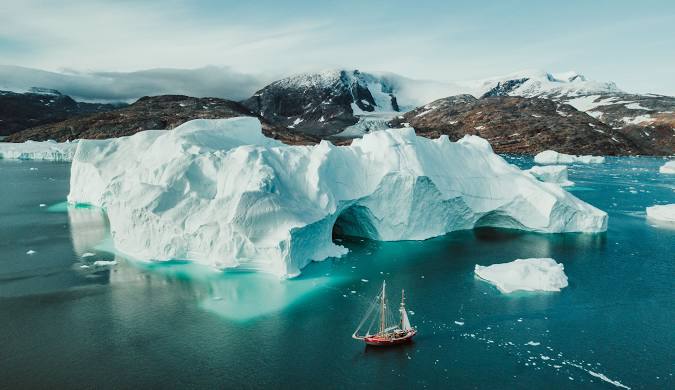
Greenland is the largest island in the world that is not a continent, covering about 2.2 million square kilometers — roughly three times the size of France — yet most of it is covered in thick ice. Its people are predominantly Inuit, with modern towns like Nuuk serving as administrative and cultural hubs. Greenland is not a colony; it is an autonomous territory within the Kingdom of Denmark. Since 1979, and under a broadened self-government law in 2009, Greenland has managed much of its domestic policy, while Denmark retains authority over defense and foreign affairs.
This distinction — autonomous, not independent — is crucial. Greenlanders govern themselves in many respects, but the island is still part of Denmark, a sovereign and NATO-member nation. Any suggestion that the United States or another state could simply “take over” Greenland confronts these legal and political realities.
Why Greenland Has Strategic Importance
On its own, Greenland might seem remote and inhospitable. But its location makes it extraordinarily important for several intersecting reasons:
1. Geography and Security
Greenland sits between North America and Europe and anchors part of what is known as the GIUK Gap — the sea corridor between Greenland, Iceland, and the United Kingdom. Historically, this has been one of the key chokepoints for monitoring naval activity and early warning defense, especially during the Cold War when the U.S. and NATO sought to track Soviet submarines and aircraft.
Today, the U.S. maintains a significant military installation in Greenland — Pituffik Space Base (formerly known as Thule Air Base). This facility supports missile warning systems, space surveillance operations, and other defense infrastructure crucial to both U.S. and NATO security.
2. Climate Change and New Strategic Frontiers
Climate change has drastically altered the Arctic. Ice is melting faster than previously predicted, and this opens previously impassable waters to potential new shipping routes that could shorten maritime trade between Asia, Europe, and North America. The Arctic also holds vast natural resource potential — from crude oil and natural gas to rich deposits of rare earth minerals and other critical raw materials needed for modern technologies like smartphones, electric vehicles, and defense systems.
While strict environmental rules and harsh conditions make resource extraction challenging, the potential value of these materials — especially rare earth elements — is attracting global attention.
3. The Great-Power Competition
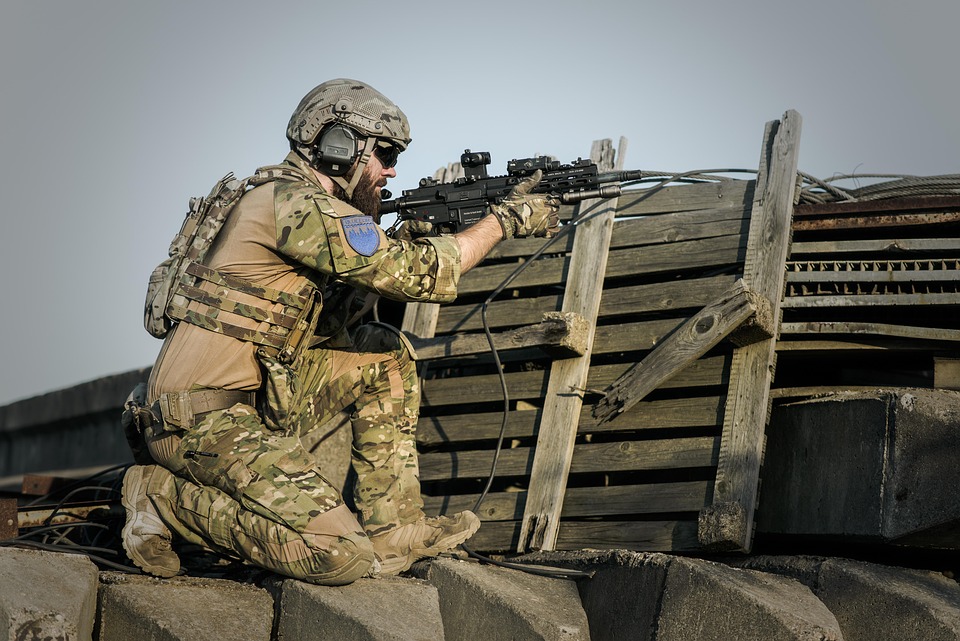
Greenland’s strategic weight isn’t just geographic — it’s situational. As tensions rise among major powers (especially between the United States, Russia, and China), control over crucial positions matters more. A foothold in Greenland means a stronger military position in the Arctic, better surveillance and missile warning capabilities, closer control over key northern sea lanes, and a more dominant presence in a region expected to grow in economic and strategic relevance.
The Controversy: U.S. Statements and Reactions
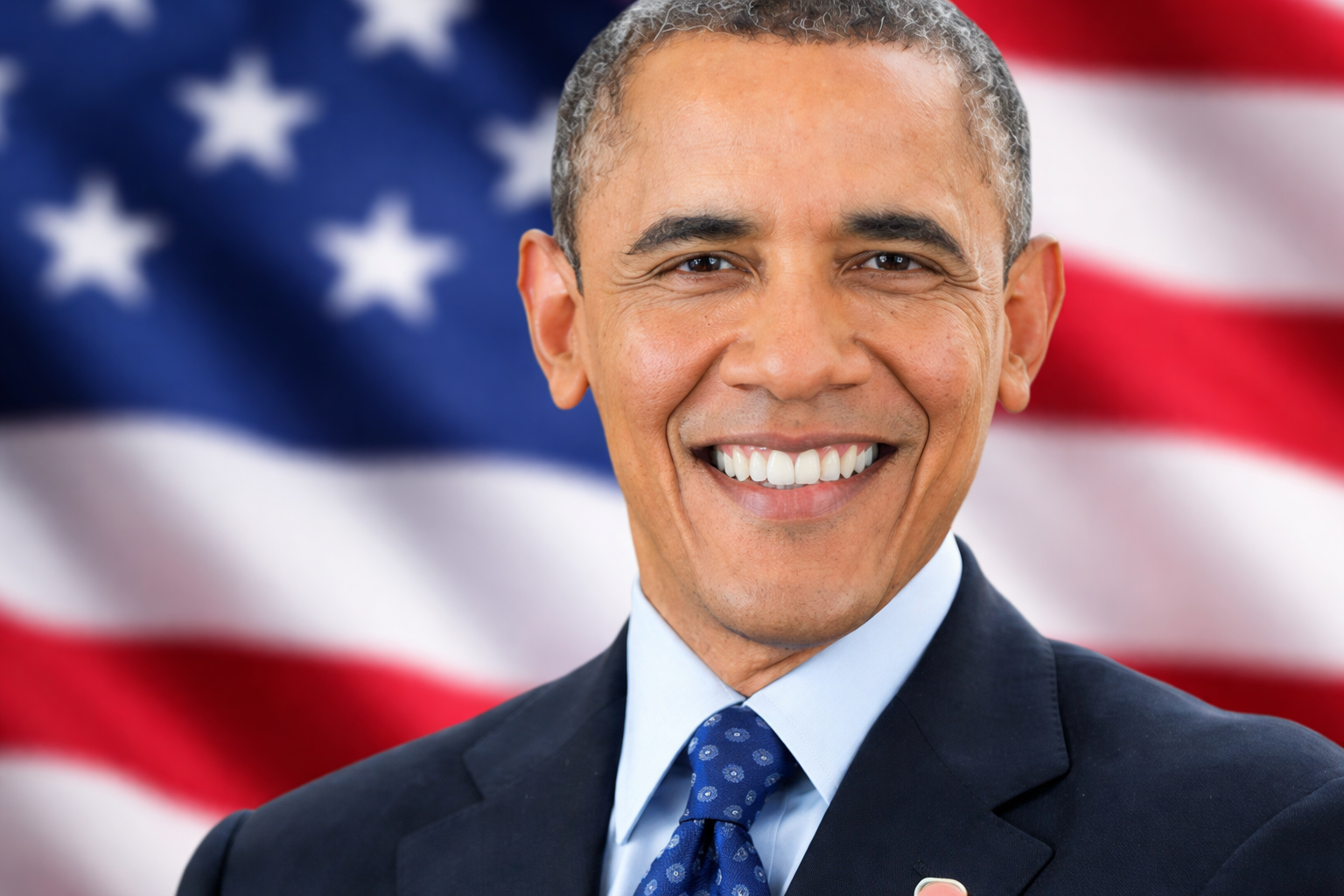
What thrust Greenland into headlines in 2026 were repeated statements from U.S. President Donald Trump and some senior U.S. officials suggesting that the United States must have more control over Greenland — even hinting at military options if diplomatic deals with Denmark failed. The justification offered was to prevent other powerful states (especially Russia and China) from gaining influence in the Arctic.
These comments have triggered an intense diplomatic backlash:
- Greenlanders themselves have publicly rejected the idea of becoming part of the United States, emphasizing their right to self-determination and rejecting the notion that Greenland is for sale.
- Denmark’s leaders have condemned talk of U.S. takeover as a violation of sovereignty and warned it could fracture long-standing alliances, including NATO. One Danish prime minister warned that a U.S. military assault on Greenland could effectively end the alliance that secured Western defense since World War II.
- European allies, including France, Germany, and the UK, signed declarations affirming that decisions about Greenland’s future belong only to Denmark and Greenland — a clear diplomatic pushback against external interference.
- A bipartisan group of former U.S. officials also wrote to Washington opposing military options, warning such an approach would damage U.S. credibility and alliances.
The strong multilateral rejection underscores not only Greenland’s agency but the fact that even friendly nations do not see territorial acquisition through force as acceptable — especially among allies.
A Long History of U.S.–Greenland Engagement
Although the 2025-26 rhetoric seems unprecedented, U.S. interest in Greenland isn’t new. The United States first seriously eyed the island in the 19th century and formally proposed buying it from Denmark in 1946, shortly after World War II, as part of early Cold War defense strategy. Denmark declined the offer but agreed to expanded military cooperation.
Since then, the U.S. military presence has been maintained, especially at Pituffik, but always under Danish sovereignty. During much of the Cold War and afterward, Greenland was not a flashpoint — partly because it was understood that Denmark and the U.S. shared defense interests, and partly because much of the Arctic remained cooperative.
What has changed in recent decades is the international context: greater Arctic competition, climate change transforming access, and a much more assertive posture from China and Russia in polar regions. The urgency some U.S. leaders attach to Greenland reflects these shifting global pressures, not purely accidental rhetoric.
Why This Matters for Global Politics
The Greenland controversy highlights several broader shifts in global affairs:
- Sovereignty and Self-Determination: Greenland’s pushback reinforces that even small populations insist on defining their own future — a principle that matters in international law and moral legitimacy.
- Alliances Under Strain: When a powerful ally openly suggests territorial claims against another ally’s land, it tests the strength of institutional frameworks like NATO and raises questions about the limits of alliance trust.
- Strategic Competition: The Arctic is no longer a remote frontier. It’s a zone of emerging competition for naval access, resource potential, and geopolitical positioning — especially between the U.S., Russia, and China.
- Norms of International Conduct: Discussion of annexation or force, even as rhetoric, pushes the boundaries of what might be considered acceptable behavior among states that have long championed international law and sovereignty principles.
The Future of Greenland: Choices and Challenges
Greenland itself faces complex choices. It has long nurtured aspirations for greater independence from Denmark — a path that would require careful negotiation on defense, economics, and international partnerships. Any shift toward full independence or new international alignment would transform Arctic geopolitics further but must be driven by Greenlanders themselves.
For now, Greenland remains a symbol of how climate change, geostrategic competition, and historical alliances intersect. Far from a peripheral outpost, it lies at the heart of debates about the future of global order — who decides territory, how alliances function, and what strategic priorities will shape the 21st-century Arctic.
Bottom Line
Greenland’s sudden spotlight is not a random news story; it’s a window into shifting geopolitical realities. As climate change opens the Arctic to new strategic, economic, and military considerations, powerful nations are recalibrating their ambitions. Greenland is uniquely positioned at that junction — geographically, politically, and symbolically.
And while some leaders may raise provocative proposals, the world is watching closely. The response from Greenlanders, Denmark, NATO allies, and global institutions underscores one thing: in modern geopolitics, territorial disputes do not occur in isolation — they occur in a world shaped by law, history, identity, and increasingly tense power competition.
Never Miss a Story: Join Our Newsletter