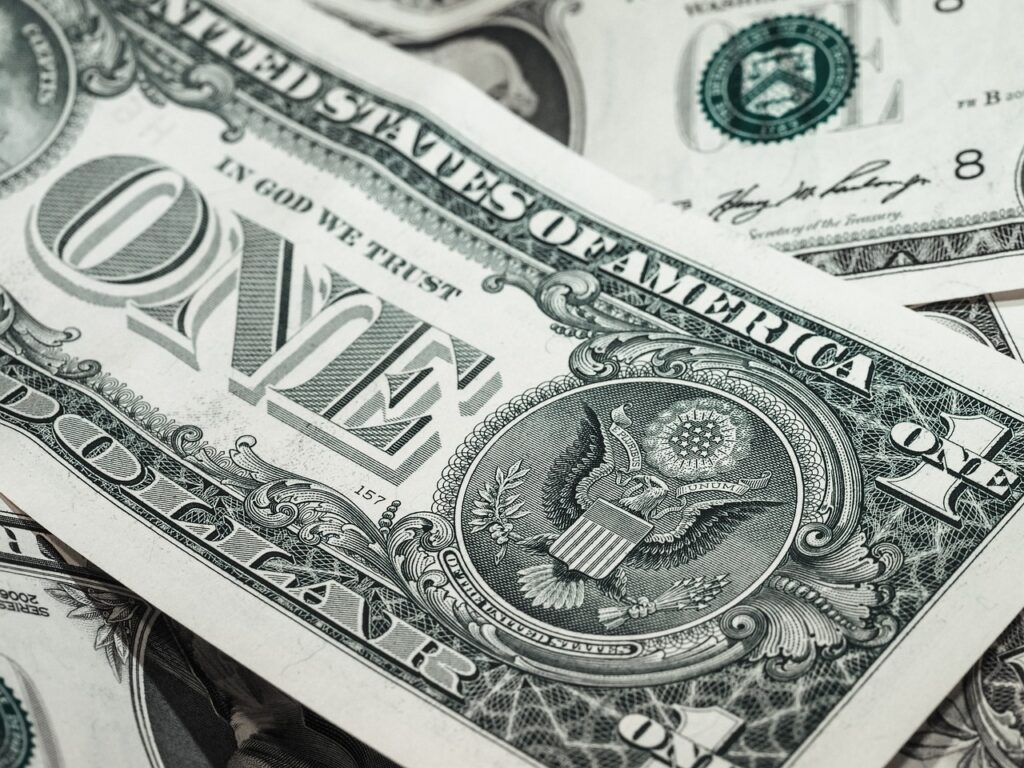
The U.S. dollar sits at the center of the global financial system. It is the currency most international trade is priced in, the primary reserve asset held by central banks, and the backbone of global lending and capital markets. Even transactions between countries with no direct economic ties to the United States often rely on the dollar as a neutral medium of exchange.
This position did not emerge by chance. The dollar’s rise reflects a combination of historical events, economic scale, institutional credibility, and financial infrastructure that developed over decades. Once established, these forces reinforced one another, making the dollar not just dominant, but deeply embedded in how global finance functions.
Yet the dollar’s role is increasingly questioned. Geopolitical tensions, the use of financial sanctions, rising U.S. debt, and the growing economic weight of countries outside the Western alliance have fueled discussion about alternatives. Initiatives associated with groups such as BRICS are often cited as signs of a possible shift away from a dollar-centered system.
To understand whether such a shift is truly underway, it is necessary to look beyond headlines. This article examines how the U.S. dollar became the world’s primary currency, what sustains its dominance, the nature of current challenges, and why replacing a global currency is far more complex than it appears.
What It Means to Be the World’s Dominant Currency
When people say the dollar is the world’s dominant or “global” currency, they are referring to several overlapping roles.
First, the dollar is the leading reserve currency. Central banks hold foreign currencies to stabilize their own exchange rates and to meet international payment needs. The dollar makes up the largest share of these reserves.
Second, it is the main trade currency. Key commodities such as oil, natural gas, and many agricultural products are priced and settled in dollars. This means that countries need dollars even when trading with partners other than the United States.
Third, the dollar dominates global finance. International loans, bonds, derivatives, and banking transactions are often denominated in dollars. Global investors treat U.S. Treasury securities as a benchmark “safe asset.”
These roles reinforce one another. Because the dollar is widely used, it is liquid and reliable. Because it is liquid and reliable, it is widely used.
How the Dollar Rose to Global Dominance
From the British Pound to the Dollar
Before the 20th century, the British pound sterling served as the world’s leading currency. Britain’s industrial strength, global trade network, and empire supported its role. Two world wars, however, severely weakened the British economy and financial system.
At the same time, the United States emerged as the world’s largest industrial power and creditor. By the end of World War II, it held the majority of the world’s gold reserves and had an intact economy.
The Bretton Woods System
In 1944, Allied nations met at Bretton Woods to design a new global monetary system. They agreed to peg their currencies to the U.S. dollar, while the dollar itself was convertible into gold at a fixed rate.
This arrangement made the dollar the anchor of the global system. International institutions such as the International Monetary Fund and the World Bank were built around it.
The End of the Gold Link — and Why the Dollar Survived
In 1971, the United States ended the dollar’s convertibility into gold. In theory, this should have undermined trust. Instead, the dollar remained dominant.
By then, global trade, finance, and reserves were already deeply dollarized. There was no alternative currency with the same scale, liquidity, and institutional backing. The system adapted, and the dollar retained its central role even without gold.
What Keeps the Dollar on Top Today
The Size and Depth of U.S. Financial Markets
The United States has the largest, most liquid capital markets in the world. Investors can buy and sell U.S. assets quickly, in large volumes, and with relatively low risk. No other country offers the same combination of scale and openness.
Trust in Institutions and the Rule of Law
Global investors trust that U.S. contracts will be enforced, property rights protected, and markets regulated in a predictable way. This legal and institutional credibility matters as much as economic size.
Network Effects
Once a currency becomes dominant, switching away from it is costly. Banks, corporations, and governments already have systems built around the dollar. Using a different currency often adds friction, risk, or expense.
The “Exorbitant Privilege”
Because global demand for dollars is high, the United States can borrow more cheaply than other countries. U.S. government debt is treated as a safe asset, allowing the U.S. to run large deficits with fewer immediate consequences than most nations would face.
The Strategic Power of the Dollar
Dollar dominance is not only an economic advantage. It is also a geopolitical tool.
Because many international transactions pass through U.S. banks or dollar-based systems, the United States can enforce financial sanctions with global reach. Access to the dollar system is often essential for international trade and finance.
This has made sanctions more effective — but it has also encouraged some countries to seek ways to reduce their exposure to U.S. financial power.
Challenges to Dollar Dominance
De-Dollarization Efforts
Some countries are actively trying to reduce their reliance on the dollar. This includes holding more reserves in other currencies, settling trade in local currencies, and building alternative payment systems.
These efforts are often driven by risk management rather than ideology. Reducing dollar dependence can lower vulnerability to sanctions, exchange-rate shocks, or U.S. policy changes.
The Rise of BRICS
The BRICS group — Brazil, Russia, India, China, and South Africa — is frequently cited as a potential challenger to the dollar-based system.
In practice, BRICS efforts focus on:
- Increasing trade settlement in national currencies
- Expanding development banks outside Western institutions
- Exploring alternative payment mechanisms
Despite speculation, there is no fully developed BRICS currency, and significant political and economic differences remain among member states.
The Limits of Alternatives
The euro is widely used but lacks a single fiscal authority and unified bond market comparable to U.S. Treasuries.
China’s yuan is growing in use, but capital controls and limited convertibility reduce global trust.
No existing currency combines scale, liquidity, openness, and institutional credibility at the level required to replace the dollar globally.
Why Replacing a Global Currency Is So Hard
History shows that global currency shifts take decades, not years. The transition from the British pound to the dollar unfolded gradually and was shaped by war, debt, and structural change.
To replace the dollar, a challenger would need:
- Large, open financial markets
- Deep pools of safe assets
- Legal and political stability
- Broad international acceptance
Even countries dissatisfied with the current system often continue using the dollar because alternatives are less practical.
What the Future Is Likely to Look Like
Rather than a sudden collapse of dollar dominance, a more likely outcome is gradual diversification.
The global system may become more multipolar, with greater use of regional currencies and local-currency trade. The dollar could lose some share while remaining the single most important currency.
New technologies, including digital currencies and alternative payment networks, may change how money moves. But technology alone does not replace trust, institutions, or market depth.
The U.S. dollar’s dominance is not simply a reflection of American power, nor is it easily undone by political declarations or new alliances. It rests on decades of institutional development, market integration, and global reliance.
Challenges to the dollar are real and growing, but they are incremental rather than revolutionary. For now, the dollar remains the central pillar of the global financial system — not because it is perfect, but because no credible substitute yet exists.
Understanding this reality is essential for making sense of global trade, geopolitics, and the slow, uneven evolution of the international monetary order.
Never Miss a Story: Join Our Newsletter