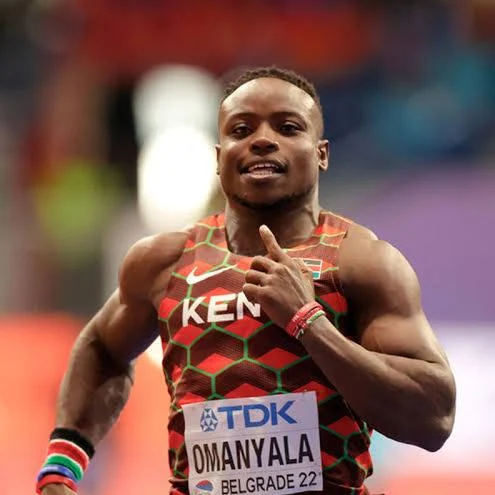
In a world where virality often outweighs value, Ferdinand Omanyala’s decision to decline a friendly race against internet sensation IShowSpeed has sparked heated debate. Some critics argue that the Kenyan sprint champion missed an easy opportunity for publicity. Others claim he was simply protecting his brand. But if we take a step back and view the situation through the lens of professional athletics, Omanyala’s refusal makes more sense than many people realize.
A Career Built on Discipline, Not Clicks
The first misunderstanding about this challenge is the assumption that it was “just for fun.” For Omanyala, there is nothing casual about sprinting. A world-class sprinter’s body is a carefully calibrated machine, tuned through months of structured training, strict recovery schedules, and meticulous planning.
An athlete like Omanyala does not wake up and decide to run at full speed for entertainment. Even a single sprint carries risk — not just of injury, but of disrupting a training cycle that is built around peak performance in major competitions. For elite athletes, a season is not a series of isolated races; it is a long-term plan. A minor muscle strain or a slight disruption in training can cost far more than a viral video ever could.
The Hidden Cost of “Just a Fun Race”
Some may say that Omanyala could have simply “taken it easy” or even let IShowSpeed win. But that ignores the real issue: the risk of normalization.
If Omanyala agreed to this challenge, he would be setting a precedent. The message would be clear: “I am available for any viral challenge, any time, for free.” In a world where attention is currency, that is a dangerous precedent for a professional athlete. It undermines the value of the sport, and it opens the door for exploitation by people who want content more than competition.
Athletes Aren’t Content Creators
Another important factor is the difference between sports and entertainment. IShowSpeed is a content creator — his career depends on trends, views, and social media engagement. Omanyala, however, is a professional athlete whose career depends on performance, discipline, and consistency.
To ask Omanyala to race for “streams and likes” is to ask him to convert years of hard work into a viral moment. That may sound harmless, but it is not. It is a request for him to commodify his talent without proper compensation or benefit.
Brand Value Is Not Just Money
Yes, the race could have increased Omanyala’s global exposure. But exposure alone is not value. Athletes must protect their brand from being reduced to entertainment.
Omanyala is not just a runner — he is a national icon, a role model, and a symbol of Kenyan athletic excellence. By declining the race, he was protecting the dignity of his sport and maintaining the integrity of his career.
Omanyala vs IShowSpeed: A Lesson in Professional Boundaries
The IShowSpeed challenge was a moment of entertainment. But Omanyala’s response was a reminder of something much deeper: professional boundaries matter.
When athletes are pressured to participate in viral challenges, they are not just being asked to run; they are being asked to risk their livelihood for a moment of internet fame. That is not a fair exchange.
In the end, Omanyala’s decision should not be viewed as arrogance or fear. It should be seen as a professional judgment call — a decision made by an athlete who understands the true cost of one careless sprint.
In a world obsessed with virality, it is refreshing to see someone prioritize discipline, professionalism, and long-term value over a fleeting moment of internet attention.
Never Miss a Story: Join Our Newsletter