Throughout the Bible, idols are often portrayed as lifeless, powerless objects — “mere wood, stone, or metal” — yet historical accounts and scriptural references indicate that pagan gods and their associated demonic forces could bring about real effects in the lives of their worshippers. This tension raises an important question: why does the prophet Isaiah repeatedly mock idols as empty objects, even when we know that demonic forces could influence human affairs through them?
This article explores this question from a biblical and theological perspective.
Idols and Demonic Forces in the Ancient World
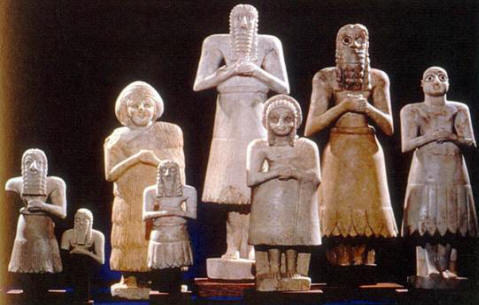
In the ancient Near East, gods like Baal, Chemosh, and Astarte were often represented through statues and other objects. Worshippers believed these deities could influence fertility, war, and prosperity. Scripture also suggests that demonic entities operated behind these idols, responding to sacrifices and rituals, sometimes producing visible effects or manifestations in communities (Deuteronomy 32:17; 1 Corinthians 10:20).
For the Israelites, this presented a recurring challenge. Even kings such as Solomon fell into idolatry, seeking quick blessings through these seemingly active forces. To the human eye, these idols appeared effective, offering dramatic or immediate results — a reality not unlike certain modern occult practices.
Isaiah’s Perspective: Mocking the Idol
Despite the apparent activity of demons behind idols, Isaiah consistently describes idols as:
- Lifeless: “They have mouths but do not speak, eyes but do not see” (Isaiah 44:18–20).
- Man-made: “He encourages the goldsmith, the one who smooths with the hammer; one says of the welding, ‘It is good’” (Isaiah 41:7).
- Incapable of true power: They cannot shape history, forgive sin, or deliver Israel from exile.
Isaiah’s focus is deliberate: he ridicules the physical objects, emphasizing their impotence compared to God. This strategy aims to break the psychological and spiritual grip that idols held over Israel.
Separating the Object From the Spiritual Force
It is essential to understand that mocking the idol does not deny the existence or activity of demonic forces. The Bible maintains a distinction:
- The idol: a powerless, material object.
- The demon: a created spiritual being capable of influence within limits permitted by God.
Paul confirms this in the New Testament:
“The sacrifices of pagans are offered to demons, not to God” (1 Corinthians 10:20).
Yet he also stresses that idols themselves are nothing (1 Corinthians 8:4).
By targeting the idol, Isaiah seeks to expose the futility of trusting in anything that cannot save. While demons may respond to rituals, the idol’s physical form is powerless — a truth designed to break Israel’s attachment to false gods.
The Theological Message
The core message Isaiah conveys is that God alone controls history and human destiny:
- Only God can raise empires and direct kings (Isaiah 41:2–4).
- Only God can protect Israel from exile and bring redemption.
- Idols and the spiritual forces behind them may appear active, but they are limited and ultimately subordinate to God’s sovereign will.
By emphasizing the lifelessness of idols, Isaiah refocuses Israel’s faith away from objects or mystical shortcuts and toward trust in God’s enduring power.
Lessons for Today
Even in modern times, people may be tempted by practices claiming to bring quick results — through charms, rituals, or occult systems. Isaiah’s approach remains relevant:
- Recognize the limits of man-made powers: Objects, rituals, or symbols cannot produce salvation or lasting blessings.
- Discern spiritual activity carefully: Just because a spiritual force seems active does not mean it is ultimate or righteous.
- Place trust in God alone: Only God controls life, history, and ultimate outcomes.
Isaiah’s repeated dismissal of idols as “mere wood” is a profound spiritual strategy. It does not ignore the activity of demonic forces but rather exposes the illusory power of man-made objects, urging God’s people to focus on the true source of life, protection, and victory. By understanding this distinction, believers can navigate both ancient and modern temptations with discernment and confidence in God’s sovereign power.
Never Miss a Story: Join Our Newsletter