In the unfolding confrontation between Iran and Israel, one military puzzle stands out:
Why is Iran relying on missiles and drones and not jet fighters to retaliate or strike targets?
Unlike traditional air campaigns involving fleets of fighter jets and bombers, Iran has opted for long-range missile salvos and swarms of drones. This strategy isn’t just a matter of preference — it reflects technological gaps, strategic necessity, and asymmetric warfare doctrine deeply embedded in Iran’s military calculations.
Iran’s Air Force Is Outdated and Vulnerable
Iran’s air force is largely a Cold War relic:
- Most of its combat jets (F-4 Phantom, F-5, MiG-29, Su-24) date back to the 1970s–1980s.
- Western sanctions since 1979 have crippled access to spare parts and upgrades.
- Advanced 4th- or 5th-generation jets (like F-16s or F-35s) are absent from Iran’s arsenal.
Without modern avionics, radar evasion, or aerial refueling, Iranian jets are no match for Israel’s high-tech fleet of F-35I Adir stealth fighters, which are supported by real-time satellite data and electronic warfare systems.
Takeaway: Iran can’t risk sending vulnerable jets into Israeli-controlled skies—it would be a suicide mission.
Israel Controls the Sky — Literally and Digitally
Israel has one of the most advanced air defense networks in the world, including:
- Iron Dome (short-range missiles)
- David’s Sling (medium-range)
- Arrow 2/3 systems (ballistic missile defense)
- Electronic warfare units capable of jamming and spoofing aircraft
Plus, Israeli intelligence (via Mossad and Unit 8200) tracks nearly all air base activity in Iran. Any large-scale fighter deployment would likely be detected and neutralized before it left Iranian airspace.
Iranian jets would face interception within minutes by Israeli F-35s or surface-to-air missile systems.
Missiles and Drones Are Cheaper, Harder to Stop
Iran has invested billions in building an arsenal of missiles and drones, which are:
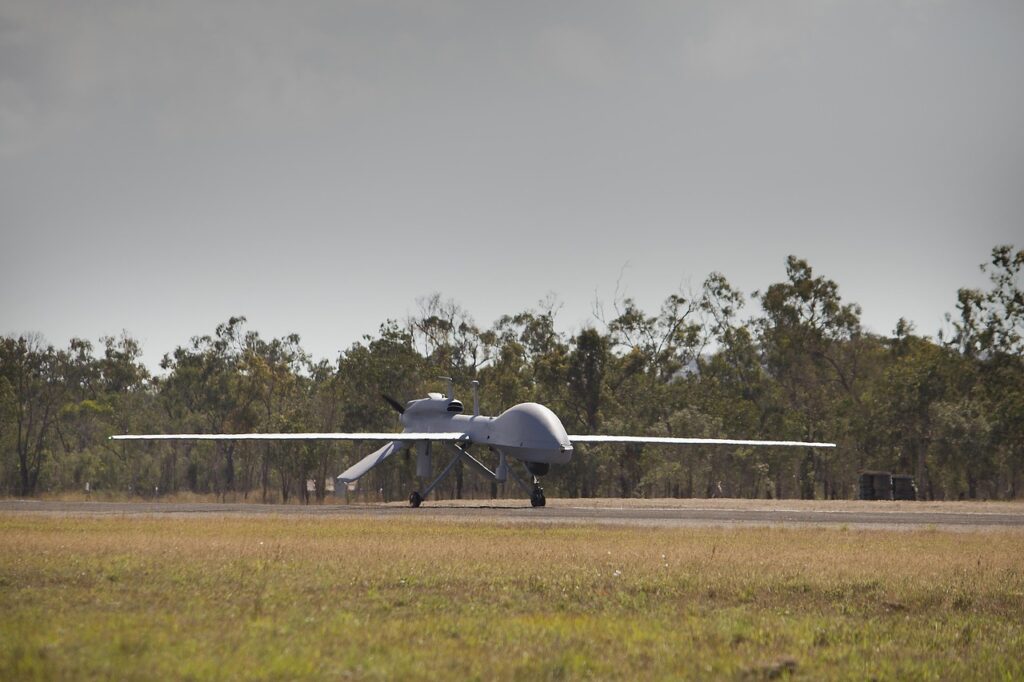
- Unmanned — no pilot lives at risk
- Low-flying (in the case of drones), making them hard to detect
- Launched from deep within Iranian territory
Key systems include:
| Weapon Type | Model | Range | Capability |
|---|---|---|---|
| Ballistic Missiles | Shahab-3, Emad, Kheibar | 1,000–2,000 km | Long-range, fast, destructive |
| Cruise Missiles | Soumar, Paveh | ~1,500 km | Terrain-hugging, radar-evading |
| Drones (UAVs) | Shahed-136, Mohajer-6 | 1,000–2,500 km | Swarm, surveillance, kamikaze |
These tools offer stand-off capabilities — Iran can strike targets in Israel, Saudi Arabia, or U.S. bases without risking aircraft or pilots.
Asymmetric Warfare: Iran’s Core Military Doctrine
Iran doesn’t aim to win a conventional war — its doctrine is to survive and inflict strategic pain. This explains:
- Proxy warfare (via Hezbollah, Houthis)
- Cyberattacks (targeting infrastructure)
- Drone and missile saturation attacks that overwhelm air defenses
Missiles and drones fit this doctrine perfectly. They offer deniability, flexibility, and scale — ideal tools in a multi-front, prolonged standoff rather than traditional air-to-air dogfights.
Think guerrilla warfare, but in the skies — drones are Iran’s aerial insurgents.
Domestic Industrial Advantage
Despite being under sanctions, Iran has indigenized production of drones and missiles:
- The IRGC Aerospace Division mass-produces Shahed drones at scale.
- Local factories assemble ballistic missiles with help from North Korea and Russia.
By contrast, building or maintaining jet fighters requires complex international supply chains—which Iran simply doesn’t have.
Global Partnerships Encourage This Strategy
Iran’s allies — Russia, Syria, and North Korea — also emphasize drones and missiles over fighter jets. In particular:
- Russia reportedly uses Iranian Shahed drones in Ukraine.
- The Houthis (Iran-backed) use similar drones in attacks on Saudi Arabia, Israel, and the Red Sea.
This shared playbook reinforces Iran’s reliance on unmanned aerial and ballistic warfare over conventional airstrikes.
Conclusion
So, why is Iran relying on missiles and drones and not jet fighters? The answer lies in a convergence of strategic pragmatism, technological limitations, and asymmetric warfare doctrine. Missiles and drones are cheaper, scalable, safer, and more aligned with Iran’s regional goals.
While jet fighters still symbolize air dominance, Iran understands that in the age of AI, cyber warfare, and remote strikes, it’s smarter — and safer — to wage war with machines, not men.
Read Also: Israel’s War With Iran: Who Is Stronger, What’s the Real Issue, and Where Is This Headed?
Never Miss a Story: Join Our Newsletter