A Legend Passes On, But the Debate Lives
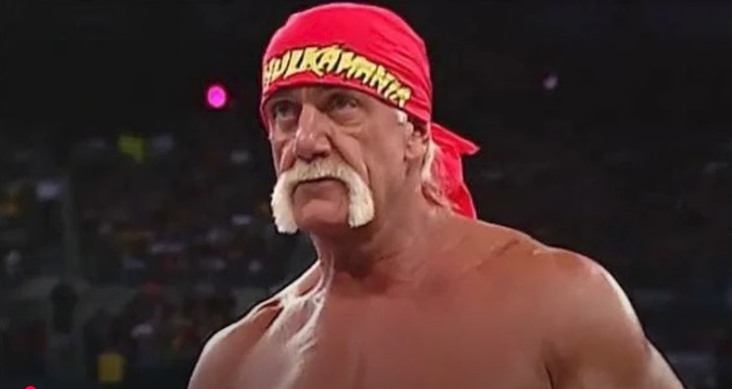
The world is mourning the death of Hulk Hogan, born Terry Bollea, the man who helped define professional wrestling as we know it. Despite WWE being scripted entertainment, Hogan’s influence was anything but fake. His death at age 71 in Clearwater, Florida, has reignited debates globally — especially across wrestling-loving nations like Kenya and Nigeria — on why a man known for acting in a ring is receiving so much honor.
So, what made Hulk Hogan’s WWE legacy matter so much?
WWE: Scripted but Not Fake
Professional wrestling, especially WWE, is pre-determined, but that doesn’t mean it’s fake in the way people often suggest. Wrestlers like Hogan train, fall, get injured, and perform live, sometimes several times a week. The bumps, hits, and slams are very real, and the physical toll is immense.
Hogan performed for over four decades, even when suffering from chronic back pain, multiple surgeries, and a hip replacement. He may have known who would win a match — but he still had to land flat on the mat in front of tens of thousands of fans.
Charisma Beyond the Ring
In the 1980s and early 1990s, Hulk Hogan became a global household name, especially in countries like Kenya and Nigeria, where American pop culture found a massive audience via VHS tapes, satellite TV, and cable.
Hogan’s character — the strong, morally upright “Real American” who always defeated evil — connected with fans across Africa. His iconic theme song, handlebar mustache, and “Hulkamania” shirts became symbols of heroism for a generation of boys who had never even stepped inside a wrestling ring.
In Nairobi, Lagos, and beyond, Hulk Hogan wasn’t just a performer — he was a role model.
Read Also:Wrestling Icon Hulk Hogan Dies at 71 in Clearwater, Florida
He Built the WWE Empire
Wrestling in the late ’70s was a fragmented business until Vince McMahon gambled everything on a new star: Hulk Hogan. The result? Hogan became the face of WrestleMania, the event that would eventually be broadcast across the world. WrestleMania III, where Hogan body-slammed the 520-pound André the Giant, had over 90,000 in attendance and millions watching at home.
In Kenya, local clubs and bars would gather to watch VHS replays of the event. In Nigeria, radio stations would report wrestling results like football scores. Hogan was not just entertaining; he was economically essential to the WWE’s global growth.
More Than Just Muscles: A Storyteller
What set Hogan apart wasn’t just his physique — it was his ability to connect emotionally. He would rally the crowd, stare into the camera, and deliver dramatic monologues like a soap opera hero.
His stories were about justice, loyalty, and the fight between good and evil. In many ways, Hogan was a modern griot, using performance to pass down values — even in a scripted format.
The African Perspective: Why His Legacy Matters
In both Kenya and Nigeria, pro wrestling has never been seen as “just a show.” For many families, watching Hogan fight The Iron Sheik or Rowdy Roddy Piper on NTV or Galaxy TV was a family event.
Children saw him as a hero who always did the right thing — a rare commodity in a world full of corruption and moral ambiguity. He inspired many young men to believe in strength, discipline, and courage. In schools and playgrounds across Nairobi and Lagos, “Hulkamania” chants echoed long after the screen went dark.
From the Ring to Global Pop Culture
Hogan also succeeded outside the ring. He starred in Hollywood films, launched reality shows like Hogan Knows Best, and remained a central figure in American pop culture.
He even influenced fashion and language, with catchphrases like “Whatcha gonna do, brother?” becoming recognizable around the globe.
Why the Credit Is Deserved
Despite the scripted nature of WWE, Hogan deserves the global respect he’s receiving for several key reasons:
- He redefined the industry and gave it mainstream legitimacy.
- He was physically committed to a dangerous craft for decades.
- He inspired millions across continents through charisma and storytelling.
- He helped export American entertainment culture to Africa and the rest of the world.
Hulk Hogan’s WWE Legacy Lives On
Whether you’re in Nairobi, Lagos, or Clearwater, one thing is clear: Hulk Hogan’s WWE legacy is undeniable. His passing may have closed a chapter in wrestling history, but his influence will live on in every child who once tied a bandana, flexed their muscles, and shouted “Hulkamania is running wild!”
The ring may have been scripted, but the respect Hogan earned was very real.
Never Miss a Story: Join Our Newsletter