
Date: March 4, 2026
The conflict between the United States, Israel, and Iran has intensified, with major military operations now on their fifth day. The crisis, which began over the weekend with coordinated strikes by the U.S. and Israel against Iran, has expanded across the Middle East and impacted global markets and diplomacy.
Major Military Developments
Large-Scale Strikes in Iran
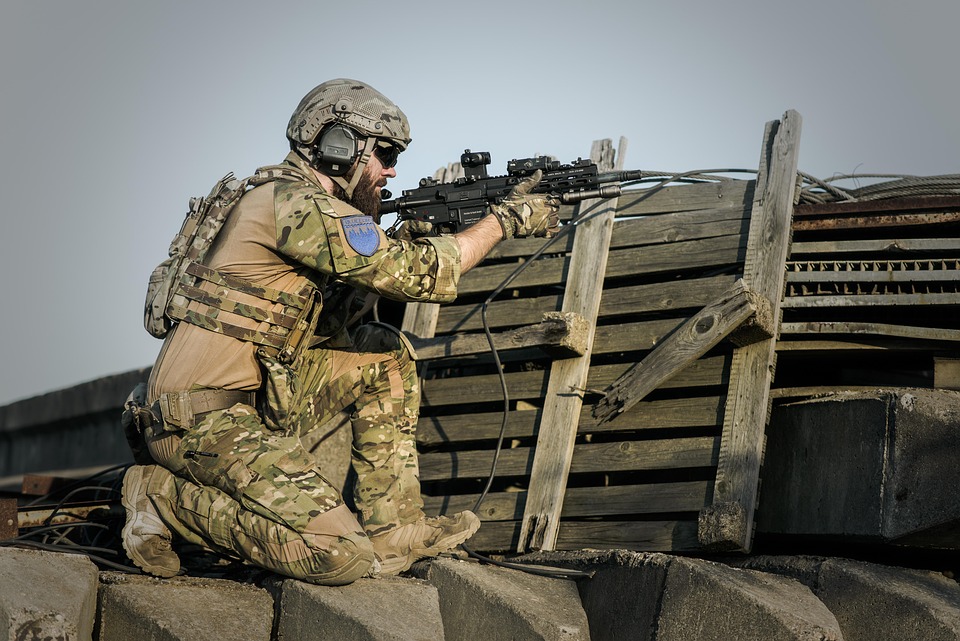
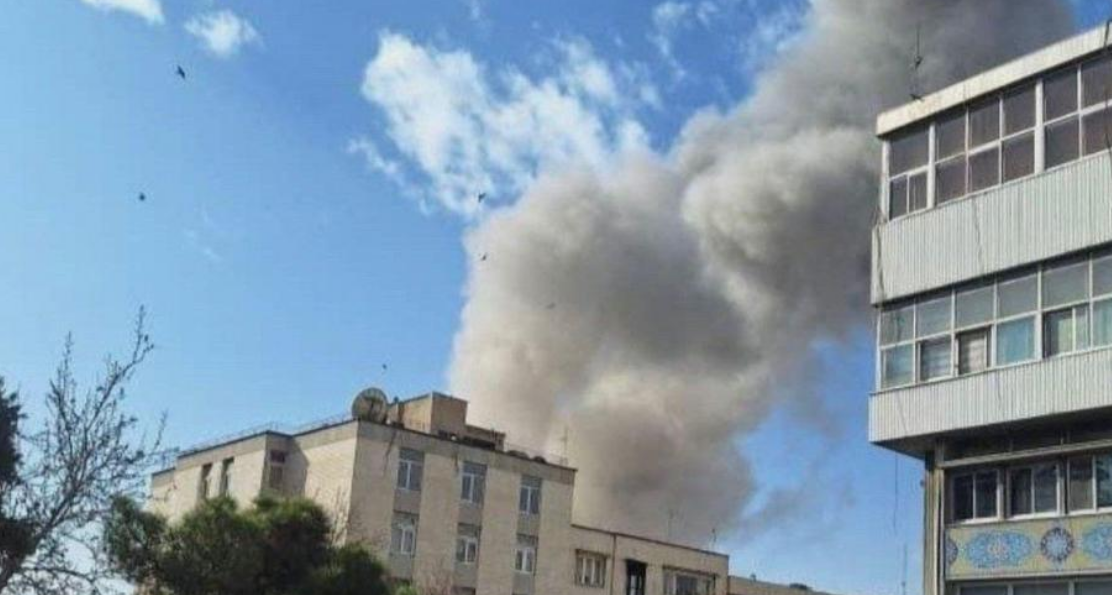
The U.S. military reports having struck nearly 2,000 targets in Iran, including missile launchers, air defenses, naval vessels, and command infrastructure. U.S. Central Command says these operations have significantly degraded Iran’s military capabilities.
Iran has fired back with hundreds of ballistic missiles and thousands of drones aimed at U.S. and allied forces throughout the Gulf region.
Casualties and Ground Impact
Iran’s health services say hundreds have been killed inside the country since the offensive began, while several U.S. service members have died in retaliatory drone strikes, particularly in Kuwait. Israeli authorities also report civilian casualties from Iranian attacks.
Strait of Hormuz and Regional Tension
The Strait of Hormuz, a key global oil transit route, has become a flashpoint. Iran claims it has full control of the strait, threatening vessels that enter without permission. U.S. military leaders contest this, saying Iranian naval forces have been largely neutralized.
In response to market disruption and shipping threats, U.S. officials have suggested escorting oil tankers through the strait to safeguard international commerce.
Regional Spread of Conflict
The war is no longer confined to Iran:
- Lebanon: Israeli strikes have targeted Hezbollah areas, displacing civilians.
- Gulf States: Iranian missiles and drones have hit locations in Saudi Arabia, Qatar, the UAE, and Bahrain, including instances of damage at U.S. embassy facilities.
- Commercial Disruptions: Airlines have canceled flights across the region due to airspace risk.
Political and Global Reactions
International Diplomacy
Countries like China and Russia have voiced opposition to ongoing strikes and urged restraint, warning of broader destabilization.
U.S. Domestic Response
A Reuters/Ipsos poll suggests public support for the U.S. strikes is limited, and some U.S. lawmakers express concern about the potential for a prolonged ground conflict.
Economic Impact
Global energy markets have reacted strongly. Oil prices have risen amid fears of supply bottlenecks and halted transit through the Strait of Hormuz, which normally handles a significant share of worldwide oil shipments.
Never Miss a Story: Join Our Newsletter