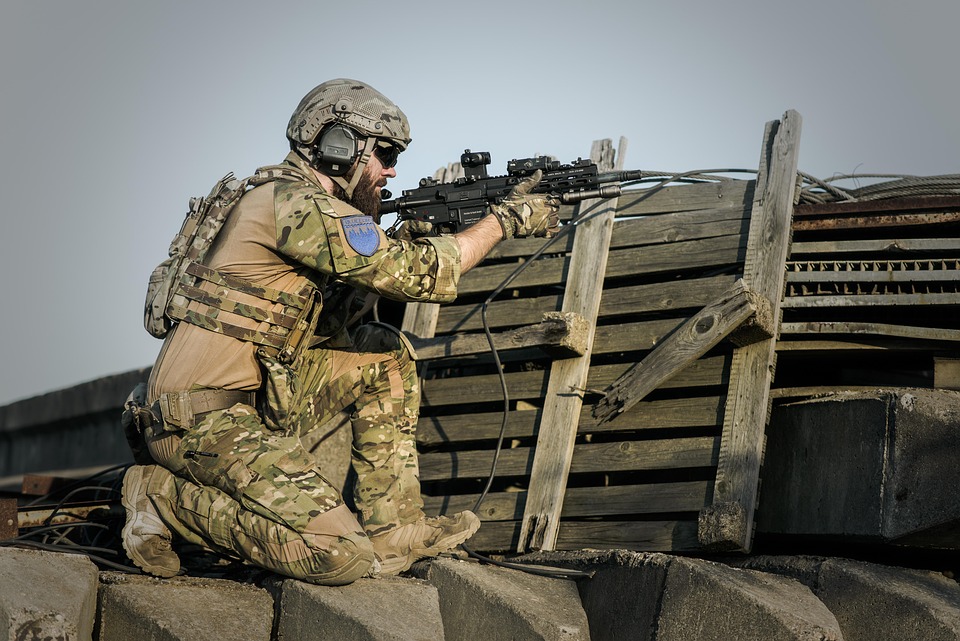
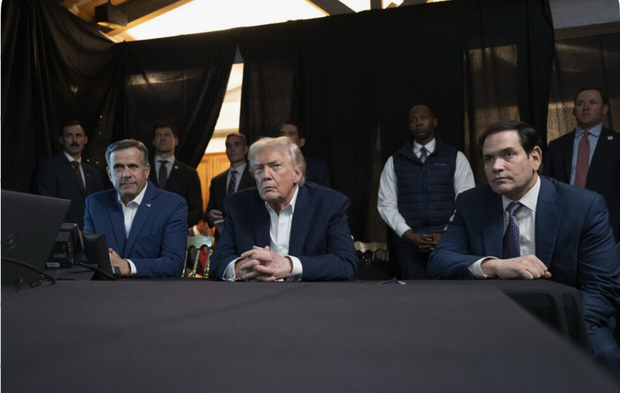
On January 3, 2026, the United States launched a dramatic military invasion of Venezuela, striking key sites in Caracas. Reports indicate that President Nicolás Maduro and First Lady Cilia Flores were captured and transported aboard a U.S. warship. President Donald Trump announced that Washington would temporarily “run Venezuela” to facilitate governance and economic transition.
The operation represents the most significant U.S. military intervention in Latin America in decades. Airstrikes struck government buildings, military bases, and communication hubs, while rapid ground operations reportedly minimized civilian casualties.
Global Leaders React
The U.S. action drew immediate international attention and largely negative reactions:
Latin America:
- Brazil (President Lula): Called it a “serious affront to Venezuela’s sovereignty.”
- Mexico & Colombia: Criticized the operation; Mexico emphasized regional destabilization, Colombia called it “an assault on sovereignty.”
- Argentina (President Javier Milei): Celebrated Maduro’s capture as a victory for freedom.
Global Powers:
- China: Condemned the invasion as “hegemonic acts” violating international law.
- Russia: Denounced it as “armed aggression.”
- Iran & Cuba: Strongly condemned the U.S. action, with Cuba labeling it “state terrorism.”
Europe & International Organizations:
- EU & France: Called for peaceful resolution and adherence to international law.
- UN (Antonio Guterres): Warned the operation sets a “dangerous precedent.”
Beyond Oil: Understanding the Strategic Calculus
While Venezuela’s massive oil reserves are a factor, the invasion is also about shaping global financial and political architecture. Venezuela had developed alternative economic networks to survive sanctions, including barter agreements, gold-backed trade, and limited cryptocurrency use.
For the U.S., this emergent parallel financial system posed a strategic challenge. If replicated elsewhere, it could erode the effectiveness of sanctions, a cornerstone of Western influence over smaller or mid-sized economies.
Energy Markets and Economic Leverage
Secondary oil producers like Venezuela serve as shock absorbers in volatile energy markets. Control over Venezuela offers leverage over:
- OPEC+ dynamics
- Price volatility
- Strategic energy-transition planning
This demonstrates that the invasion is not just about oil volume but about economic and market influence.
Parallels to Other Unilateral Interventions
The Venezuela intervention is part of a pattern of unilateral military operations by powerful states, often justified by strategic, political, or ideological rationales:
- Russia in Ukraine (2022–present):
- Russia justified its invasion as a security measure and claimed to protect Russian-speaking populations, but international law and the UN deemed it illegal.
- Global sanctions, military aid to Ukraine, and isolation of Russia illustrate how unilateral action can provoke prolonged international resistance and economic fallout.
- U.S. in Iraq (2003):
- The U.S. invaded citing weapons of mass destruction, later disproven, under a doctrine of preemptive action.
- The intervention destabilized the region, provoked global debate about legality, and fueled insurgencies, demonstrating the long-term risks of unilateral interventions framed as regime change.
- U.S. in Panama (1989):
- The removal of Manuel Noriega was swift, justified under drug trafficking charges and protection of U.S. citizens.
- Though operationally successful, it sparked discussion about sovereignty and the threshold for military intervention in another state.
- Other Cases:
- Syria (2014–present, limited U.S. strikes), Kosovo (1999 NATO action), and Libya (2011 NATO-led intervention) each show the tension between military objectives, international legitimacy, and global perception.
Lesson for Venezuela:
- Like Ukraine and Iraq, the U.S. operation risks regional destabilization and international pushback, even if militarily decisive.
- Unlike Russia in Ukraine, the U.S. is operating in its “backyard,” where hemispheric politics, OAS protocols, and neighboring state interests add layers of complexity.
By situating Venezuela alongside these examples, the invasion can be seen as part of a broader pattern of great powers using unilateral force to shape political and economic outcomes, while highlighting the delicate balance between operational success and international legitimacy.
Regional and Legal Implications
Latin American nations have long sought strategic autonomy, balancing relations with the U.S., China, and regional partners. The U.S. invasion threatens this autonomy by:
- Reasserting a security-first paradigm
- Undermining regional integration and diplomatic initiatives
- Forcing governments to take sides
Legally, the invasion is controversial:
- Many argue it violates the UN Charter
- Critics say it sets a dangerous precedent for future interventions
International norms, once considered protective, are tested when a superpower acts unilaterally, echoing debates from Ukraine, Iraq, and Libya.
Implications for Sanctions and Global Order
The Venezuela case highlights the tension between:
- Sanctions as a tool of coercive diplomacy
- Economic sovereignty and parallel financial networks
If Venezuela is successfully reintegrated into Western systems, sanctions are reinforced as credible. If parallel systems survive or evolve, other nations may replicate Venezuela’s strategies, weakening U.S. leverage and reshaping global economic power.
The events of January 3, 2026, mark a turning point in global politics. The U.S. capture of Nicolás Maduro is not only a regional crisis but also a test of the international system’s resilience, the effectiveness of sanctions, and the strategic calculus of energy and finance in a multipolar world.
Venezuela now joins the historical lineage of countries affected by unilateral interventions — from Iraq to Ukraine — offering a critical lens for evaluating power, legality, and long-term global consequences.
This is more than a story of one leader’s removal. It is a battle over economic sovereignty, regional autonomy, and the rules governing great-power conduct in the 21st century.
Never Miss a Story: Join Our Newsletter