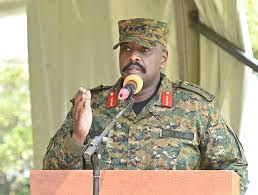
U.S. Senator Jim Risch, chairman of the Senate Foreign Relations Committee, has urged President Donald Trump to impose U.S. sanctions on General Muhoozi Kainerugaba following reports of extreme violence during Uganda’s recently concluded 2026 General Elections.
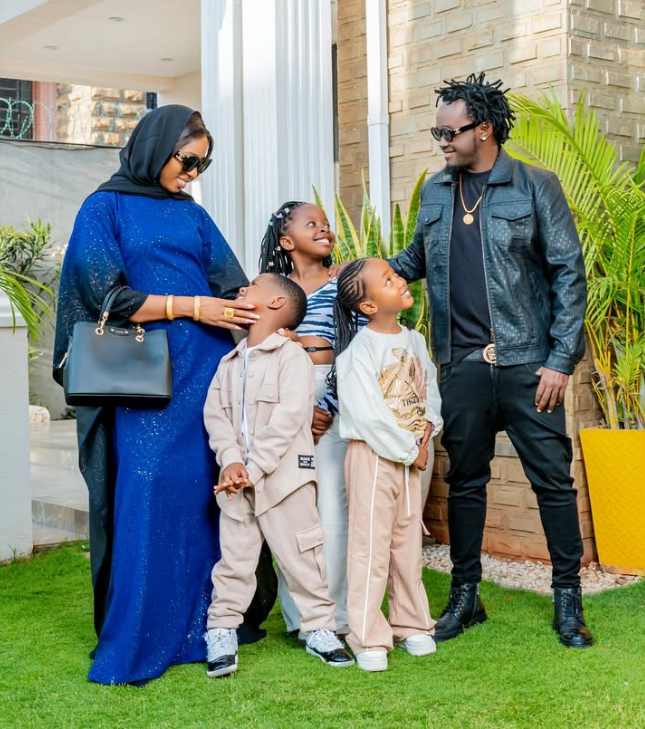
In a statement released on Friday, Senator Risch called for a full reassessment of U.S. security ties with Uganda, citing a sharp decline in human rights and growing political repression. His statement came just hours before opposition leader Bobi Wine reported that masked, armed soldiers had broken into his home and attacked his family.
“A group of masked, armed soldiers has just broken into our house and beaten up my family members. They have currently isolated my wife, Barbie Kyagulanyi, alone. Their intentions are unclear,” Bobi Wine said in a statement at around midnight on Saturday.
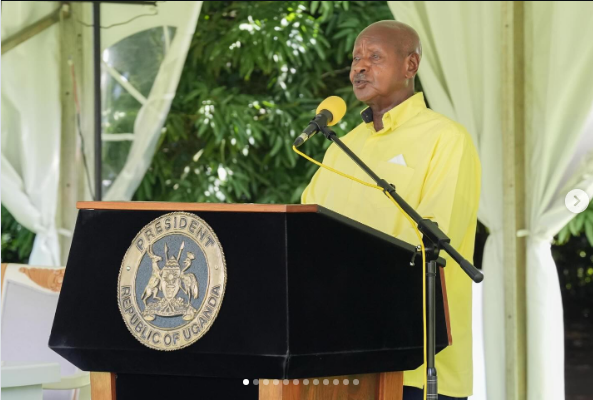
The calls for U.S. sanctions on General Muhoozi come after Uganda’s Electoral Commission declared President Yoweri Museveni the winner with 7.9 million votes, securing a contested seventh term in the January 15 elections.
While Museveni officially received 71.65% of the vote, his main challenger, Bobi Wine, secured about 2.7 million votes amid accusations of widespread electoral fraud.
The U.S. has also expressed concern that Uganda’s political instability could spill over into neighbouring Kenya and Ethiopia, potentially destabilising the East African Community (EAC) region.
Read Also : Uganda’s Election 2026 Aftermath: Power Retained, Democracy Deferred, and the Question of Succession
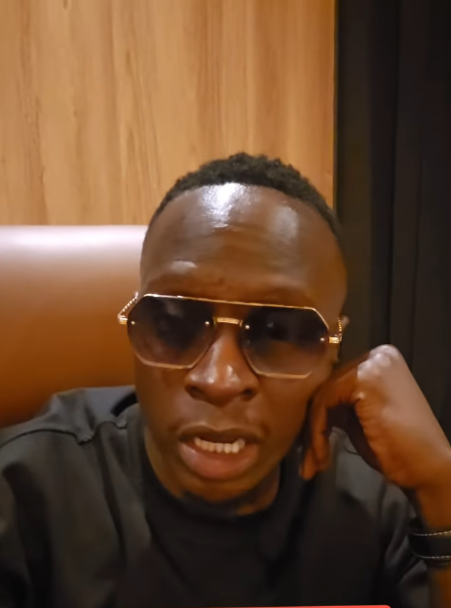
General Muhoozi sparked international outrage after claiming responsibility for killing 22 National Unity Platform (NUP) supporters, describing them as terrorists in a chilling social media post.
“We will kill on sight all the NUP so-called foot soldiers. Until Mzee says otherwise,” Muhoozi wrote. He added, “We have killed 22 NUP terrorists since last week. I’m praying the 23rd is Kabobi.”
Senator Risch described the election as a “hollow exercise” aimed at legitimising Museveni’s prolonged rule, drawing parallels with democratic backsliding in Tanzania.
“Uganda’s elections – like the recent elections in Tanzania – were a hollow exercise, staged to legitimise President Yoweri Museveni’s seventh term and four decades in power,” Risch said. “Yet, Uganda is a key regional security partner to the United States. The regime prioritises domestic control through political violence, abductions, imprisonment, intimidation of opponents, and misuse of state resources.”
The election period was also marked by the arrest of 2,000 people and a nationwide internet shutdown ordered by the Uganda Communications Commission (UCC) on January 13, which prevented independent observers from verifying results.
Biometric Voter Verification Kits reportedly malfunctioned, forcing manual counting that critics say allowed for ballot stuffing.
Regional observers have warned that if the U.S. withdraws security funding, it could create a security vacuum that might empower extremist groups, potentially affecting Kenya’s national security and cross-border trade.
Read Also: Uganda Election 2026: Museveni vs Bobi Wine and the Battle for the Nation’s Future
The National Bureau for NGOs in Uganda further restricted transparency by suspending six major human rights organisations and arresting prominent election monitors like Dr. Sarah Bireete.
As the international community weighs its response, the Ugandan government maintains that these measures were necessary to protect national security during the voting period.
The push for U.S. sanctions on General Muhoozi highlights growing global pressure on Uganda’s government and raises questions about the future of security cooperation between Uganda and its Western partners.
Never Miss a Story: Join Our Newsletter