
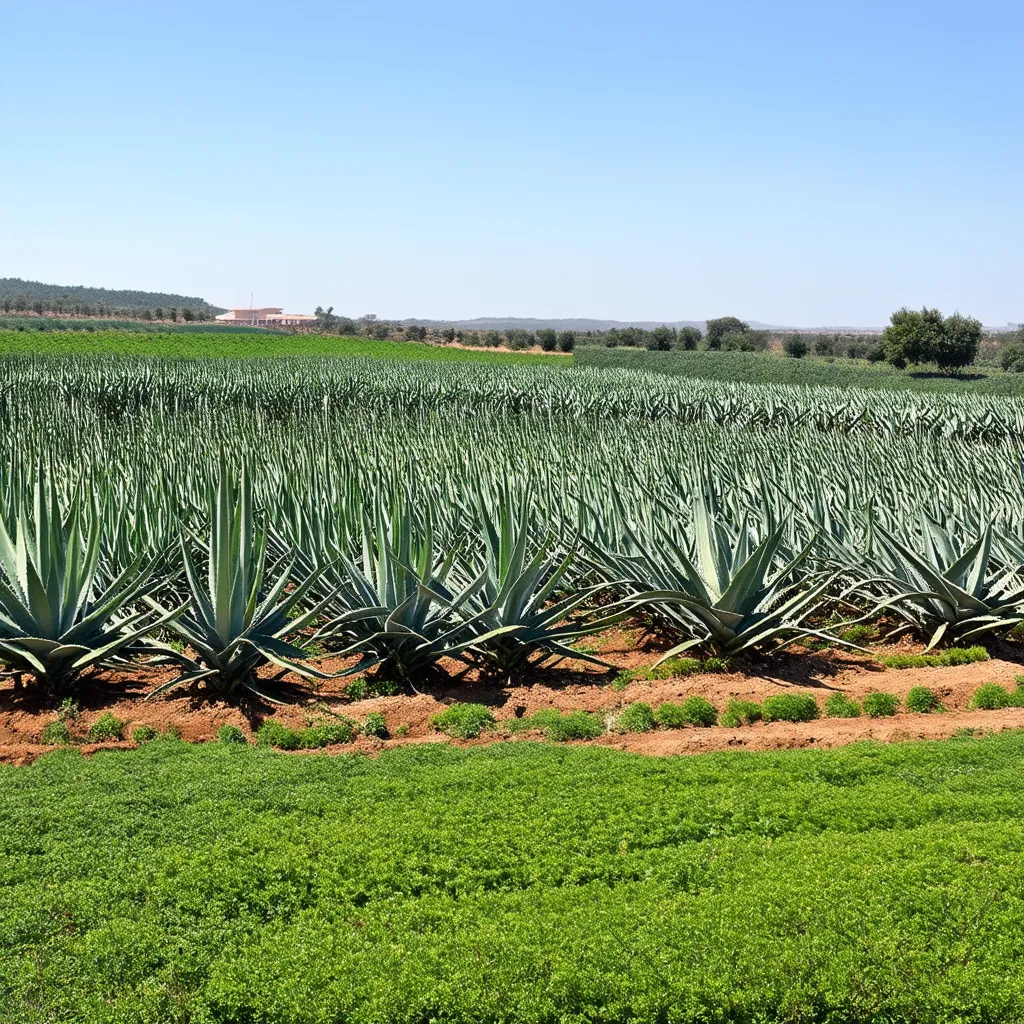
In parts of Kenya long hit by drought-and-low yields, a resilient plant has quietly become a cash-cow for farmers: aloe vera. With its low input costs, drought-tolerance and booming demand from the cosmetics, pharmaceutical and wellness industries, aloe vera farming is providing a pathway out of poverty for many rural households.
Why Aloe Vera?
Here are some of the factors making aloe vera especially attractive:
- Drought-resilient & low-maintenance: The plant thrives in arid and semi-arid areas of Kenya where many other crops struggle. For example, in regions like Baringo County farmers have planted aloe vera in rangeland and dry soils.
- Growing global demand: Aloe vera is used in skin-care, cosmetics, health/medicinal products, drinks, soaps, shampoos etc. This means there’s a strong market pull for raw leaves, gels, sap and processed derivatives.
- Low competition & emerging supply: While demand is high, supply in Kenya remains lower than potential, giving farmers an advantage. For instance, one report noted “low supply, processors wooing farmers” in Kenya.
- Multiple revenue streams: Beyond selling raw leaves, value-addition (gel, sap, processed products) can boost returns.
- Good for marginal lands: Because aloe vera can be grown on poorer soils and doesn’t need to compete heavily with food crops, it’s ideal for marginal areas and helps diversify farm income.
How Much Money Are Farmers Making?
Here are some real-world figures from Kenya:
- In Kenya, a kilogram of fresh aloe vera leaves recently retailed at around KSh 35 (up from KSh 25 two years earlier) in some processor deals.
- One acre could hold ~4,000 plants. With good yields and multiple harvests per year, estimated earnings could reach KSh 840,000/acre up from ~KSh 600,000 in earlier years.
- In Baringo County: It’s estimated that about 6,000 kg of aloe vera sap (per acre) are possible and the earnings could be about KSh 1.8 million monthly under ideal conditions (though this may reflect very optimistic scenarios).
- One farm estimate: For established aloe plants, a harvest every 3-4 months, and over a year the potential of up to Sh3.35 million per acre was cited.
- Basic business-plan estimates: On a smaller scale the profit per acre per year for aloe vera farming in Kenya was cited at around KSh 100,000-200,000 depending on costs.
So yes — the potential is significant. But as with all things agribusiness, actual results depend on many factors.
Key Steps to Making It Work
If you’re thinking of going into this business (or writing about one who is), here are the major steps:
- Select the right species & planting materials
In Kenya, the species often cited are Aloe barbadensis (also called Aloe vera barbadensis) and some other aloe types. Use certified seedlings or cuttings from healthy plants. Avoid wild plants without permission (more on regulation later). - Land preparation, spacing & planting
- Choose well-drained, sandy or loamy soils; aloe does poorly in heavy water-logged soils.
- Spacing can vary but dense enough to maximize yield (some reports: 4,000 plants per acre)
- Because the plant is drought tolerant, irrigation can be minimal once established, but initial watering and care help.
- Maturation & harvesting
- The plant typically takes 18-24 months (sometimes 2–3 years) to reach a good maturity for commercial harvesting.
- Once mature, leaves can be harvested every few months (3-4 months or so) from each plant. Only the older outer leaves are often removed.
- Typical yields cited: ~60,000 kg per acre per year in some Kenyan cases (this is high and assumes optimal conditions)
- Marketing & value-addition
- Raw leaf sales are one option. For instance, local buyers in Kenya purchase leaves for KSh 30-35/kg in some cases.
- Better value comes from extracting gel or sap, or processing into creams, soaps, juices, etc. This captures more of the value chain.
- Establishing linkages with processors (domestic or export) is critical. Some counties in Kenya signed MOUs with firms for purchase agreements.
- Regulation, sustainability & good practice
- Because many aloe species are regulated (especially wild harvested ones), you must check permissions/permits before large-scale harvesting of wild sources.
- Good agricultural practices: clean planting material, pest/disease management, proper harvesting to avoid damaging plants, sustainable spacing & crop rotation.
- Environmental benefits: aloe can contribute to land restoration in arid areas, soil moisture retention, and can be part of agro-forestry or land-degradation control.
Challenges & Things to Watch
- Market risk & price fluctuation: While demand is strong, raw leaf prices can vary, and value-addition requires more investment and know-how. For example, some farmers stopped expanding because the price offered was too low (Sh300-400/kg vs ideal) in one region.
- Initial maturity wait: It takes time — 18-24 months or more — before you get commercial yields, so farmers must plan for interim periods.
- Access to planting material & quality: Good seedlings/cuttings cost more initially; poor quality can affect yields.
- Logistics/processing infrastructure: For value addition, you need access to processors or the capacity to process yourself; otherwise you’re limited to selling raw leaves.
- Regulation & wild harvesting limitations: Some aloe species are endangered or regulated for trade; ensure you are compliant.
- Land tenure and scale: Some farmers in communal/rangeland settings face land-rights or scale limitations (though some successes exist among women’s groups)
Real-life Story: Women Farmers in Laikipia
In Ilpolei, Laikipia North, a women’s group (the Ilpolei Twala Cultural Manyatta Women group) took advantage of community land reforms to gain land rights and started growing aloe vera for export to the UK. They were selling raw leaves at around KSh 380-400 per kilogram in the UK market (two leaves equalled a kg).
The income has improved their livelihoods significantly: it gave them a means to generate cash, send girls to boarding school and feel less vulnerable to drought losses.
Why This is Big for Rural Kenya
- Offers a viable income stream for semi-arid areas where other crops fail.
- Helps diversify farm income and reduce reliance on livestock or rain-fed cereals.
- Generates employment (planting, harvesting, processing, marketing) including among women and youth.
- Encourages value-addition and export linkages, so more of the value stays in Kenya.
- Aligns with climate resilience (low water requirement, hardy crop) which is increasingly important in a changing climate.
If well managed, aloe vera farming is not just a “side crop” but a serious business with potential for millions of Kenyan shillings in earnings per acre in good conditions. It’s proving especially meaningful in drylands where traditional farming is risky. That said, the success depends on good farming practice, market linkages, initial patience, and value-addition strategies.
Never Miss a Story: Join Our Newsletter