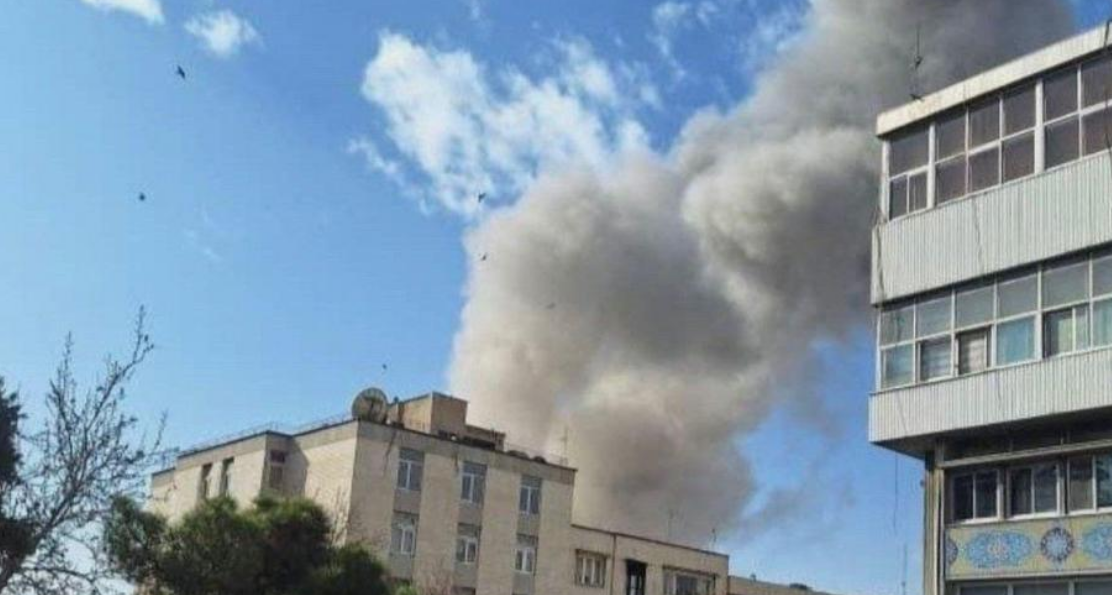
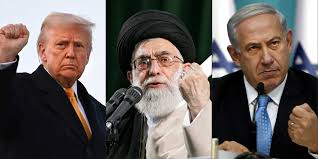
On Saturday, U.S. President Donald Trump delivered a landmark speech announcing major military operations in Iran. The address, released via social media, was a declaration of force against Iranian Supreme Leader Ayatollah Ali Khamenei and the regime, citing imminent threats to the United States and its allies. Trump’s speech outlined the rationale for the strikes, while his remarks were accompanied by claims, historical references, and warnings that require contextual examination.
1. Framing the Threat
Trump described Iran as an “imminent threat” to the U.S., its troops, and allies. He portrayed Iranian leaders as dangerous and aggressive, responsible for decades of violence targeting Americans and regional actors.
Contextual Notes:
- While Iran does have nuclear capabilities, Trump’s claim of an immediate threat is contested by intelligence assessments, which indicate Iran’s intercontinental ballistic missile capability could be achieved by 2035 if pursued.
- By labeling the threat as “imminent,” Trump justified unilateral military action under emergency powers without congressional authorization, a move critics argue violates international law.
2. Historical Grievances
Trump referenced the 1979 U.S. Embassy hostage crisis and attacks by Iranian proxies, including the 1983 Beirut Marine barracks bombing and the USS Cole incident, emphasizing Iran’s long-standing hostility toward the U.S.
Contextual Notes:
- Trump did not mention the 1953 U.S.-backed coup in Iran, which contributed to anti-American sentiment.
- Historical attacks cited by Trump include over 240 U.S. Marines killed in Beirut (1983) and 17 sailors on the USS Cole (2000), demonstrating the history of proxy and direct attacks.
3. Terrorism and Regional Influence
Trump highlighted Iran’s support for terrorist organizations, including Hamas and Hezbollah, and linked these groups to mass casualties in the Middle East.
Contextual Notes:
- Iran has provided financial and military support to regional actors, though Tehran denies direct involvement in certain attacks, including the October 7, 2023, Hamas assault on Israel.
- The speech tied Iran’s regional influence to threats against U.S. forces and allies.
4. Domestic Repression in Iran
Trump condemned the Iranian regime for killing tens of thousands of its own citizens during protests in late 2025 and early 2026, highlighting the regime’s use of force and an internet shutdown to suppress dissent.
Contextual Notes:
- Death toll estimates vary: government figures (~3,117), human rights organizations (>7,000 verified), UN estimates (20,000+), and some independent sources suggesting up to 43,000 casualties.
- The crackdown intensified international scrutiny and likely informed U.S. messaging to justify military intervention.
5. Nuclear and Missile Concerns
Trump reiterated his administration’s stance against Iran obtaining nuclear weapons. He cited Operation Midnight Hammer (June 2025) targeting Fordow, Natanz, and Isfahan nuclear sites as prior actions to destroy Iran’s nuclear capabilities.
Contextual Notes:
- Iran maintains it seeks nuclear material for energy, in compliance with the Nuclear Nonproliferation Treaty.
- Intelligence assessments dispute Trump’s claims regarding long-range missile development, but his speech emphasized urgency and threat to U.S. security.
6. Military Strategy and Warnings
Trump’s speech emphasized the ongoing, massive nature of the operation, aiming to neutralize Iranian missiles, navy, and proxy capabilities. He warned Iranian forces to lay down arms or face certain death.
Contextual Notes:
- Trump highlighted U.S. military preparedness, noting prior investments and modernization.
- He acknowledged the possibility of American casualties, framing them as a sacrifice for long-term national security.
7. Messages to the Iranian People
Trump addressed Iranians directly, urging them to seize control of their government once U.S. operations have neutralized leadership. He framed this as a historic opportunity for freedom and prosperity.
Contextual Notes:
- Unlike prior U.S. interventions, Trump did not explicitly call for uprising but emphasized regime removal by external force.
- Historical comparisons suggest such interventions carry risks of instability post-regime change.
Trump’s speech presents a combination of historical grievances, security threats, nuclear concerns, human rights abuses, and regional influence as justification for the U.S.-led military operations in Iran. While the speech uses strong rhetoric and frames the operation as defensive and noble, contextual analysis shows contested claims regarding immediacy of threats, nuclear intentions, and historical causality. The address is a key example of using public communication to frame military action and set both domestic and international narratives.
Never Miss a Story: Join Our Newsletter