
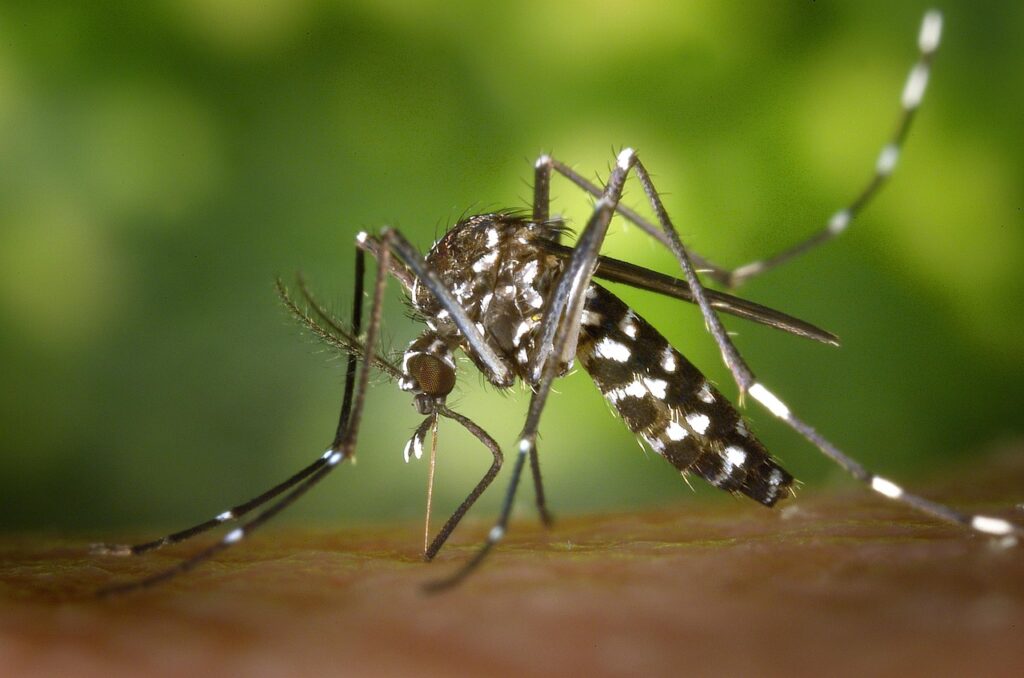
They may be tiny, but mosquitoes are among the deadliest creatures on earth, responsible for the transmission of diseases like malaria, dengue, chikungunya, and Zika. While many Kenyans are familiar with the nuisance of mosquito bites, few know the complex biology and behavior behind these pests.
Here are three important facts that everyone in Kenya—and beyond—should know about mosquitoes, as highlighted by entomologists and public health experts.
1. Not All Mosquitoes Are the Same
There are more than 3,000 species of mosquitoes worldwide, but only a handful are responsible for spreading diseases in humans. In Kenya, the most dangerous are:
- Anopheles: These mosquitoes transmit malaria, a disease that still kills thousands in Kenya every year.
- Aedes: Known for spreading dengue, Zika, and chikungunya, Aedes mosquitoes are recognizable by their black-and-white striped bodies. They are also aggressive daytime biters.
- Culex: This species mostly causes nuisance bites and can carry diseases like West Nile virus in other parts of the world, though it’s not a major transmitter in Kenya.
Interestingly, not all mosquitoes bite. Only female mosquitoes feed on blood, which they need for egg production. Males feed on nectar and other plant juices.
Read Also: Nairobi’s Global Rise: United Nations to Establish Three New Offices in Kenya by 2026
2. Mosquitoes Are Attracted by Specific Human Cues
Ever wondered why mosquitoes seem to prefer some people over others? Research shows that mosquitoes are drawn to carbon dioxide, body heat, sweat, and even body odor. Some people naturally emit more of these cues, making them more attractive to mosquitoes.
Wearing dark clothing, sweating, or standing near stagnant water can significantly increase your chances of getting bitten. This is why mosquito prevention strategies often include:
3. Some Mosquitoes Don’t Bite—And May Even Help
Not all mosquitoes are villains. One lesser-known species, Toxorhynchites, also called the “elephant mosquito,” does not feed on blood at all. Instead, the larvae of this species prey on other mosquito larvae, making them a potential natural weapon in mosquito control efforts.
These beneficial mosquitoes offer insight into biological control methods that don’t rely on insecticides. Scientists are increasingly exploring non-chemical solutions to reduce mosquito populations while protecting ecosystems and human health.
Knowledge Is Protection
Understanding mosquito behavior and biology is a crucial step in protecting yourself and your family from vector-borne diseases. With climate change, urbanization, and poor drainage systems creating ideal breeding grounds, the mosquito threat is not going away anytime soon.
Kenya’s Ministry of Health continues to emphasize public awareness, environmental hygiene, and use of integrated vector control strategies as key components in the fight against malaria and other mosquito-borne illnesses.
So the next time you hear the faint buzz of a mosquito in your ear, remember—there’s a lot more going on than just an annoying itch.
Never Miss a Story: Join Our Newsletter