Traveling to Europe is often described as a dream—but for many, it becomes something even more meaningful: a life-changing experience. The continent offers an unmatched blend of history, culture, innovation, and natural beauty, all within relatively short travel distances. From the romantic streets of Paris to the ancient ruins of Rome, Europe invites travelers to step into a world where the past and present coexist in remarkable harmony.
For holiday makers, Europe presents endless opportunities. Whether you are seeking relaxation, adventure, cultural immersion, or even inspiration, there is always something new to discover. However, planning a European trip—especially for the first time—can feel overwhelming. With so many countries, cities, and experiences to choose from, making the right decisions is essential. This guide is designed to walk you through everything you need to know, from planning and budgeting to navigating and fully enjoying your journey.
Understanding the Appeal of Europe
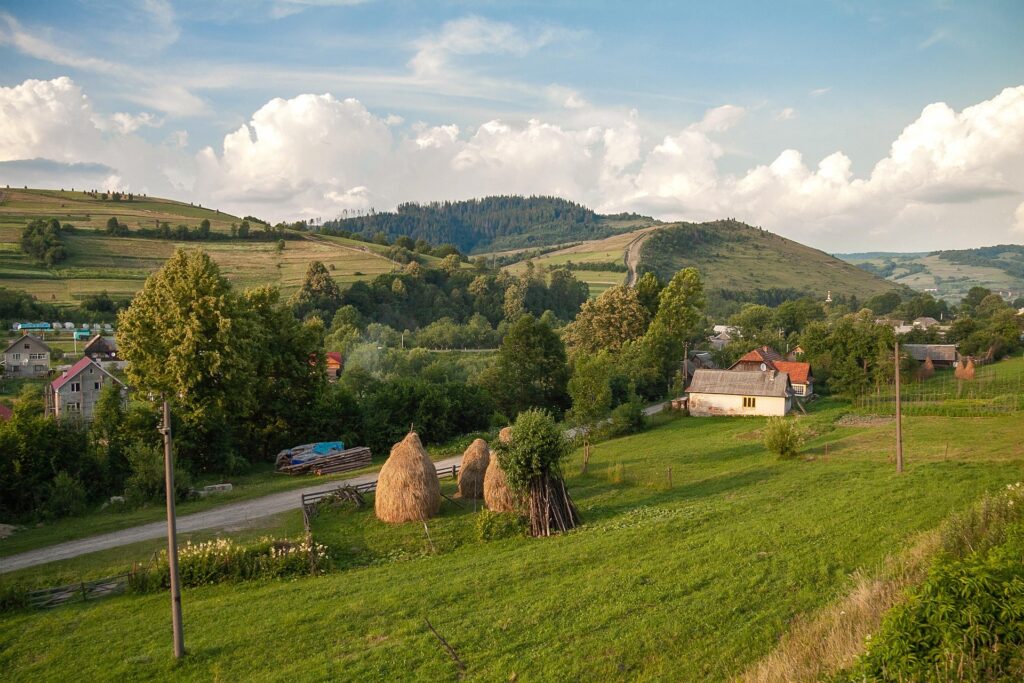
Europe’s appeal lies in its diversity. Within just a few hours of travel, you can move from the sun-drenched beaches of Spain to the snow-covered Alps of Switzerland, or from the historic castles of Germany to the scenic countryside of Austria. Each destination offers a unique identity shaped by centuries of history, tradition, and cultural evolution.
For many travelers, Europe is not just about sightseeing—it’s about experiencing a different way of life. You’ll notice it in the slower pace of café culture, the emphasis on work-life balance, and the deep respect for art, architecture, and heritage. Walking through cities like Amsterdam or Vienna feels like stepping into a living museum, where every street corner has a story to tell.
Planning Your Journey: Where to Begin
A successful European holiday starts with careful planning. The first decision you’ll need to make is which region to visit. Western Europe is known for its modern infrastructure and iconic landmarks, while Southern Europe offers a more relaxed lifestyle with warm weather and beautiful coastlines. Northern Europe stands out for its high quality of life and pristine environments, whereas Eastern Europe provides budget-friendly travel options and rich cultural experiences.
Choosing the right destinations depends on your interests. If you are drawn to art and history, cities like Paris and Rome should be at the top of your list. If you prefer beaches and vibrant nightlife, then Barcelona offers the perfect combination. For those who love scenic landscapes and tranquility, the countryside of Austria or the fjords of Norway provide unforgettable experiences.
Timing is another crucial factor. Traveling during the summer months means longer days and lively festivals, but it also comes with higher prices and larger crowds. Spring and autumn, often referred to as shoulder seasons, offer a more balanced experience with pleasant weather and fewer tourists. Winter, on the other hand, transforms parts of Europe into magical destinations, especially in countries like Switzerland, where snow-covered landscapes create a fairytale-like atmosphere.
Visa and Travel Requirements
For many international travelers, including those from Kenya, visiting Europe typically involves applying for a Schengen visa. This visa allows access to multiple countries within the Schengen Area, making it easier to explore different destinations without needing separate permits for each country.
The application process requires preparation. Travelers must provide proof of accommodation, a detailed travel itinerary, financial statements, and travel insurance. While the process may seem demanding, it ensures that your trip runs smoothly once approved. It is always advisable to apply well in advance to avoid last-minute stress.
Budgeting for Your European Adventure
Budgeting is one of the most important aspects of planning your trip. Europe caters to all types of travelers, from budget backpackers to luxury seekers. However, costs can vary significantly depending on the countries you choose to visit.
Western and Northern European countries, such as Switzerland and Denmark, are known for their high cost of living. On the other hand, destinations like Portugal and Poland offer more affordable options without compromising on experience.
To manage your budget effectively, consider booking flights and accommodation early. Using public transport instead of taxis, dining at local eateries instead of tourist restaurants, and taking advantage of travel passes can significantly reduce expenses. It’s also wise to set aside extra funds for unexpected costs, ensuring that your trip remains stress-free.
Accommodation: Finding Your Perfect Stay
Accommodation plays a key role in shaping your travel experience. Europe offers a wide range of options, from luxury hotels to budget hostels and private rentals. Hotels provide comfort and convenience, while hostels are ideal for solo travelers looking to meet new people.
Short-term rentals, such as apartments, have become increasingly popular, especially for families or groups. They offer more space and flexibility, allowing you to experience a destination like a local. In cities like Amsterdam, staying in a canal-side apartment can add a unique charm to your visit.
Getting Around Europe
One of Europe’s greatest advantages is its efficient transportation system. Traveling between cities and countries is relatively easy, thanks to an extensive network of trains, buses, and flights. High-speed trains connect major cities such as Paris and Brussels in just a few hours, offering both convenience and scenic views.
Budget airlines also make it possible to travel long distances at affordable prices. For those who prefer flexibility, renting a car allows you to explore rural areas and hidden gems that are not easily accessible by public transport.
Experiencing European Cuisine
Food is an integral part of the European travel experience. Each country boasts its own culinary traditions, reflecting its history and culture. In Italy, you’ll find world-famous dishes like pasta and pizza prepared with fresh, local ingredients. In France, pastries and gourmet cuisine take center stage, offering a taste of refined culinary artistry.
Exploring local markets and trying traditional dishes is one of the best ways to connect with a destination. Rather than sticking to familiar foods, embrace the opportunity to discover new flavors and dining experiences.
Culture, History, and Attractions
Europe’s rich history is visible in its architecture, museums, and cultural landmarks. Visiting iconic sites such as the Eiffel Tower in Paris or the Colosseum in Rome provides a glimpse into the continent’s past.
However, beyond these famous attractions lies a wealth of lesser-known experiences. Small towns, local festivals, and hidden historical sites often offer a more authentic and memorable experience. Taking the time to explore beyond the major tourist spots can make your journey truly unique.
Safety and Travel Awareness
Europe is generally considered safe for travelers, but it’s important to remain vigilant. Pickpocketing can occur in crowded areas, particularly in major tourist cities. Keeping your belongings secure and staying aware of your surroundings will help you avoid common travel issues.
Travel insurance is highly recommended, as it provides coverage for unexpected events such as medical emergencies, trip cancellations, or lost belongings. Being prepared ensures peace of mind throughout your journey.
Staying Connected
Staying connected while traveling is easier than ever. Many European cities offer free Wi-Fi in public areas, and purchasing a local SIM card can provide affordable data access. Navigation apps like Google Maps are invaluable for finding directions, exploring nearby attractions, and planning your daily activities.
Packing for Europe
Packing smartly can make a significant difference in your travel experience. Comfortable walking shoes are essential, as exploring European cities often involves a lot of walking. Clothing should be chosen based on the season and destinations you plan to visit.
It’s also important to pack travel documents, power adapters, and any personal essentials you may need. Keeping your luggage light will make it easier to move between destinations, especially when using public transport.
Making the Most of Your European Holiday
Ultimately, the key to a memorable European holiday lies in embracing the journey. While planning is important, allowing yourself the flexibility to explore and adapt can lead to unexpected and rewarding experiences. Whether it’s discovering a hidden café in Paris or enjoying a spontaneous street performance in Barcelona, these moments often become the highlights of your trip.
Traveling through Europe is not just about visiting places—it’s about connecting with cultures, meeting new people, and gaining a broader perspective of the world. Each destination offers a unique story, and as a traveler, you become part of that narrative.
Final Thoughts
A European holiday is an investment in experiences that last a lifetime. From the historic charm of Rome to the modern elegance of Amsterdam, every destination has something special to offer. With proper planning, an open mind, and a sense of adventure, your journey through Europe can be both enriching and unforgettable.
As you prepare for your trip, remember that the true essence of travel lies not just in the destinations you visit, but in the memories you create along the way.
Never Miss a Story: Join Our Newsletter