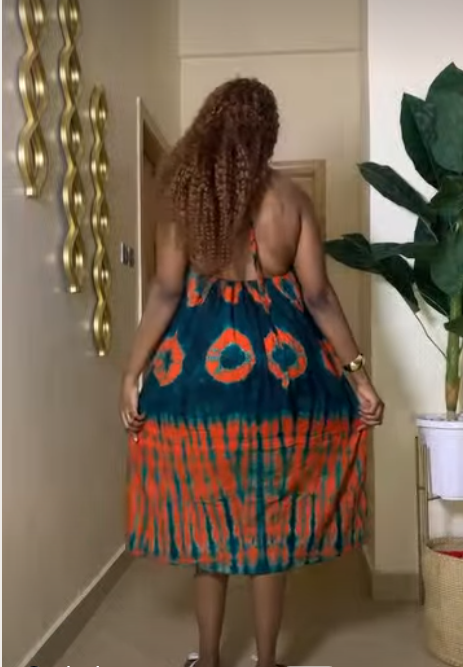
By now, it feels like everyone — and their aunty — owns a backless dera. I do too. No shame in my game. And honestly, it earned its moment.
It is cute without trying, feminine without fuss — the kind of throw-on piece that quietly says, “I woke up like this” even when you absolutely did not. What began as easy, stay-at-home loungewear slipped out the front door and into brunch dates, baby showers and weekend errands, styled up with flat sandals, a slick bun and just enough confidence to pass for effort.
The dera did not just show up. It took over.
But like most fast-burning trends, the heat is easing. The once-unstoppable backless dera now feels like it is catching its breath.
From coastal comfort to curated cool
For decades, traditional deras have been part of everyday life, especially in Coastal communities where they were loved for three simple reasons: comfort, modesty and movement. The loose, flowing silhouette was never about fashion statements. It was about ease.
What changed was not the garment itself — it was the intention behind it.
Designers began offering subtle but strategic updates: lighter fabrics, softer drape, gently cinched waists and cleaner finishing. The dera slowly shifted from “home dress” to “acceptable outside” wear. Then came the bold twist — the open back.
With one design decision, the dera crossed a powerful fashion line: from comfort-first clothing to an outfit built for attention. The front stayed soft and conservative. The back became the drama.
The social-media effect
The real accelerator, however, came from social platforms — particularly TikTok and Instagram.
Influencers and fashion creators began posting highly styled looks: backless deras paired with gold jewellery, minimalist makeup, sculpted buns and perfectly framed lighting. The aesthetic travelled fast because it solved a styling dilemma many women face — how to look feminine and fashionable without feeling overexposed.
The backless dera offered both.
It was modest where it needed to be and striking where it mattered. A rare balance that made the silhouette feel accessible, not intimidating.
When one dress becomes many products
As demand surged, designers and boutiques moved quickly to expand the concept. Backless jumpsuits, co-ord sets and reworked two-piece outfits made from the same light dera fabrics flooded the market.
From a business point of view, this was smart.
The pattern, fabric and construction were already familiar. The only shift was repackaging the same visual language into more “fashionable” categories. The dera was no longer just a dress — it had become a design template.
The problem with viral success
But virality carries a built-in weakness: saturation.
At the peak of the trend, it became almost impossible to scroll through your feed without seeing a backless dera. Every boutique had a version. Every colour existed. Every body type had been styled in it.
What once felt special started to feel predictable.
This is not a rejection of the garment — it is exhaustion with repetition.
Fashion thrives on novelty. When a single look dominates too long, the eye grows bored before the wardrobe does.
The uncomfortable conversation about pricing
Then came the pricing gap — and many shoppers noticed.
You could find backless deras retailing for as low as KSh 500 in Eastleigh, while nearly identical pieces were selling for KSh 2,000 to KSh 2,500 in other retail spaces.
In fairness, not all mark-ups are dishonest. Rent, branding, tailoring quality, fittings, photography, packaging and staff costs all influence pricing. But the problem was transparency. When the fabric, stitching and finish looked identical, consumers understandably began questioning what exactly they were paying for.
The backless dera became a quiet case study in how fast fashion economics operate in local markets — and how informed buyers are becoming.
A shift in taste, not a fall from grace
Trends rarely disappear. They recalibrate.
The backless dera is not failing — it is stabilising. It is simply moving from “must-have” territory into the wider category of everyday wardrobe options. And that is often the most sustainable outcome for any fashion item.
Interestingly, its cultural roots may be what protects it from total extinction. Unlike imported micro-trends that vanish completely, the dera already has deep social meaning, regional identity and practical relevance. Its reinvention was layered on top of something that already existed.
That foundation matters.
What comes next for the dera?
If the backless dera is to enjoy a meaningful second life, reinvention will need to go beyond showing more skin.
The next evolution may come through:
- better tailoring and structured cuts,
- higher-quality natural fabrics that photograph less and wear better,
- hand-finished detailing inspired by traditional coastal craftsmanship, and
- more inclusive sizing and thoughtful fit — not just free-flowing shapes.
The future of the dera will not be driven by how viral it becomes — but by how well it is designed.
In the end, people do not dislike the backless dera. They simply no longer feel the urgency to own one right now.
And in fashion, that quiet pause is not the end of the story —
it is usually the space before the next idea.
Never Miss a Story: Join Our Newsletter