
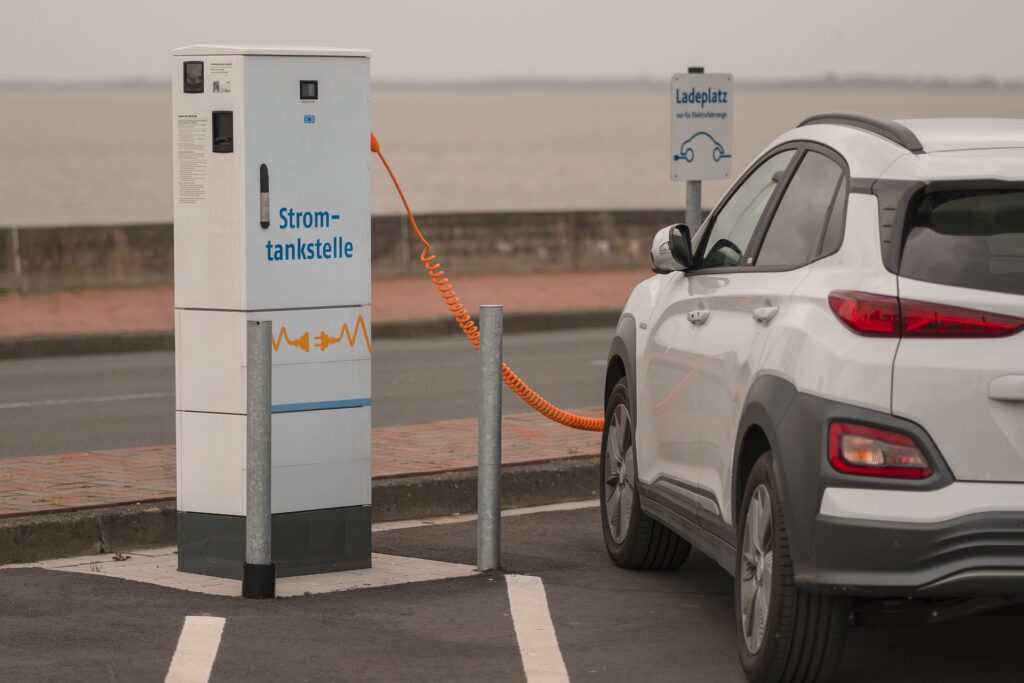
The rapid rise of electric vehicles (EVs) has triggered one of the biggest debates in global energy: Is the world heading toward the end of oil? The short answer is no—at least not anytime soon. But the long answer is more interesting. Oil is unlikely to disappear; instead, its role in the global economy will change dramatically over the next 30–50 years.
Below is a deep look at what the future likely holds.
The Future of Oil in an Electric World
1. Electric Vehicles Are Growing Fast
Electric mobility is expanding rapidly worldwide. EV adoption has accelerated due to:
- falling battery costs
- government incentives
- climate policies
- improvements in charging infrastructure
Global EV sales have grown from about 120,000 in 2012 to over 14 million annually today. Countries such as Norway already sell more electric cars than gasoline vehicles.
Major automakers—including Tesla, BYD, and Volkswagen—are investing hundreds of billions of dollars into electrification.
But EV growth does not automatically mean oil disappears.
Why Oil Will Not Disappear Soon
2. Cars Are Only Part of Oil Demand
A common misconception is that oil exists mainly to fuel cars. In reality:
Road transport uses only about 45–50% of global oil.
The rest goes to sectors that are much harder to electrify, including:
- aviation fuel for airplanes
- shipping fuel for cargo vessels
- petrochemicals used to make plastics
- fertilizers and chemicals
- heavy industrial heat
- construction materials such as asphalt
For example, modern plastics, medical equipment, and even smartphone components rely on petrochemicals derived from crude oil.
3. The World Has 1.5 Billion Gasoline Cars
Even if every new car sold became electric tomorrow, the existing fleet would take decades to replace.
There are currently more than 1.5 billion internal combustion vehicles worldwide, and most stay on the road 15–20 years.
In many developing regions—including Kenya and much of Africa—the shift will likely happen more slowly due to:
- high EV prices
- limited charging infrastructure
- older imported vehicles dominating markets
When Could Electric Vehicles Take Over?
Most energy analysts expect a long transition rather than a sudden takeover.
Approximate timeline projections:
By 2030
- EVs may represent 40–50% of new car sales globally
By 2040
- EVs could dominate 70–80% of new vehicle sales
By 2050
- Electric vehicles may make up 50–60% of all cars on the road
But even by 2050, oil demand will likely remain significant because of aviation, shipping, and industry.
Oil Companies Are Not Sitting Still
4. Energy Giants Are Reinventing Themselves
Major oil companies are fully aware of the energy transition and are adapting aggressively.
Companies such as:
- Shell
- BP
- TotalEnergies
are investing billions into:
- wind power
- solar farms
- hydrogen fuel
- electric charging networks
- battery storage
Some oil companies now describe themselves not as oil firms but as “energy companies.”
5. Oil Companies Are Also Investing in EV Infrastructure
Ironically, many EV charging networks are being built by oil companies.
For example:
- Shell operates thousands of EV charging stations globally.
- BP owns the EV charging company BP Pulse.
This means oil giants are positioning themselves to profit from electricity as well as fuel.
A Bigger Problem: Heavy Transport
Even if cars go electric, several major sectors still depend heavily on oil.
Aviation
Commercial aircraft rely on jet fuel because batteries are far too heavy for long-distance flights.
Shipping
The global shipping fleet burns heavy fuel oil. Alternatives like ammonia or hydrogen are still experimental.
Trucking and Mining
Heavy trucks, construction equipment, and mining machinery require extremely high energy density that batteries struggle to deliver.
These sectors may transition to hydrogen, synthetic fuels, or biofuels, but oil will likely remain important for decades.
Oil Demand May Plateau, Not Collapse
Most forecasts suggest oil demand will peak rather than crash.
Organizations such as International Energy Agency expect global oil demand to peak sometime between 2030 and 2040.
After that, consumption will slowly decline as electric mobility and renewable energy expand.
But oil will still be needed for many industrial products long after that peak.
The Next Big Energy Battleground
The future energy race may shift from oil to critical minerals.
Electric vehicles depend heavily on materials such as:
- lithium
- cobalt
- nickel
- rare earth elements
Countries rich in these minerals could become the new energy superpowers, just as oil-rich nations dominated the 20th century.
For example, the Democratic Republic of the Congo supplies about 70% of the world’s cobalt, a key battery component.
What This Means for Africa
Africa sits at an interesting crossroads.
The continent holds:
- large oil reserves
- massive solar potential
- important battery minerals
Countries such as Nigeria, Angola, and Kenya could play roles in both the old oil economy and the new electric one.
In fact, electric motorcycles are already growing rapidly in East Africa because they reduce fuel costs for riders.
The Real Future: An Energy Mix
The most likely scenario is not oil versus electricity, but a mixed energy system.
By mid-century the world may rely on:
- electricity for cars and cities
- hydrogen for heavy industry
- biofuels for aviation
- oil for petrochemicals and specialized uses
Energy transitions historically take many decades. Coal, for example, still supplies electricity more than 100 years after oil emerged.
Electric vehicles will dramatically reduce oil demand for road transport, but oil will remain a crucial global resource for industry, aviation, shipping, and petrochemicals for many decades.
The future of oil is therefore not extinction—it is gradual transformation within a much broader energy system.
Never Miss a Story: Join Our Newsletter