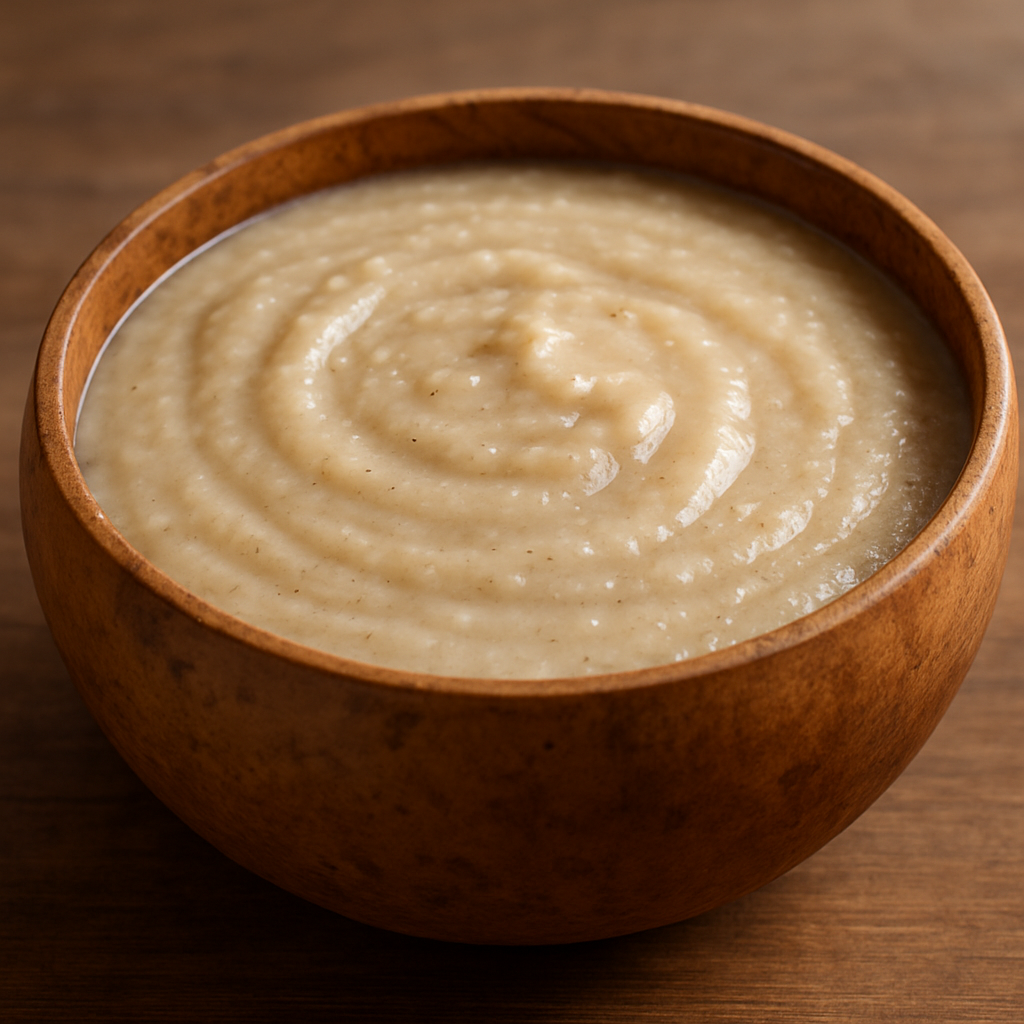

Comfrey (Symphytum officinale), often called “knitbone” or “bone-set,” is a perennial herb with a long history of medicinal use. Its leaves are rich in bioactive compounds, including allantoin, rosmarinic acid, tannins, and mucilage, which contribute to its powerful healing, anti-inflammatory, and cell-regenerative properties.
Let’s explore the deep and multifaceted benefits of comfrey leaves, especially for those interested in natural remedies and herbal wellness.
1. Accelerates Wound Healing and Tissue Repair
Comfrey leaves contain allantoin, a compound known to stimulate the growth of new cells and accelerate skin regeneration. This makes comfrey especially beneficial for:
- Minor cuts, scrapes, and bruises
- Post-surgical incisions (externally only)
- Bed sores and skin ulcers
- Inflammatory skin conditions like eczema or psoriasis
How it works:
Allantoin promotes the proliferation of fibroblasts, which are essential for wound repair, while the mucilage soothes irritation.
⚠️ Note: Comfrey should only be used externally on broken skin for short durations and not on deep, open wounds.
2. Potent Anti-inflammatory Effects
Comfrey’s rosmarinic acid and other polyphenols possess strong anti-inflammatory properties, which can help manage:
- Joint pain
- Swollen muscles
- Back pain
- Tendonitis
- Bursitis
When applied as a comfrey leaf poultice or salve, users often report rapid relief from inflammation and pain, sometimes within hours.
Read Also: Rickets Prevention Kenya: How to Identify & Prevent It in Children
3. Supports Bone, Muscle & Joint Recovery
Historically nicknamed “knitbone”, comfrey has been used to support fracture healing and ligament repair. The synergy of allantoin, calcium, and tannins appears to enhance tissue bonding and regeneration.
Helpful for:
- Sprains and strains
- Bruised or fractured bones (used externally)
- Arthritic joint pain
- Sports injuries
Comfrey ointments are widely used among herbalists for post-trauma musculoskeletal recovery.
4. Soothes Skin Irritations and Burns
The mucilage in comfrey leaves forms a slippery, gel-like layer that protects and moisturizes the skin. This makes it helpful in treating:
- Minor burns
- Sunburn
- Rashes and dermatitis
- Diaper rash
Its cooling and hydrating nature relieves itching and redness, and speeds up recovery from minor skin trauma.
5. Relief from Gout and Arthritis (Topical Use)
Comfrey’s anti-inflammatory and circulatory benefits also extend to conditions like:
- Gout: It reduces localized swelling and pain.
- Osteoarthritis: Regular use of comfrey leaf compresses has been shown to improve joint mobility.
A 2004 study in Phytotherapy Research found that topical comfrey cream significantly reduced osteoarthritis pain and stiffness in the knee within a few weeks.
6. Helps Varicose Veins and Hemorrhoids (Topical Use)
Thanks to its astringent tannins, comfrey helps tone blood vessels and improve capillary integrity. When applied as a compress or balm, it can assist in relieving:
- Varicose veins
- Hemorrhoidal swelling
- Tired, heavy legs due to poor circulation
It may also help prevent minor venous ulcers when used consistently with compression and elevation.
7. Rich in Nutrients and Bioactives
Comfrey leaves contain a wealth of nutrients including:
- Allantoin (tissue regeneration)
- Rosmarinic acid (anti-inflammatory)
- Tannins (astringent and antibacterial)
- Calcium, potassium, phosphorus (mineral support)
These compounds act synergistically to provide broad healing potential, especially when combined with other herbs like calendula or arnica in formulations.
⚠️ Important Cautions and Usage Guidelines
Comfrey contains pyrrolizidine alkaloids (PAs), which may be toxic to the liver when taken internally or used excessively over large areas. Because of this, most modern herbalists recommend:
✅ External use only — in the form of poultices, creams, salves, or compresses
⛔ Avoid internal use (drinking comfrey tea, etc.) unless under trained supervision
⛔ Do not use on deep or puncture wounds (may seal the skin before deeper tissue heals)
⛔ Limit use in pregnancy or breastfeeding
Always consult a qualified herbalist or naturopath before using comfrey extensively.
How to Use Comfrey Leaves Safely
Fresh Poultice:
- Crush or blend fresh comfrey leaves into a paste
- Wrap in clean cloth and apply to injury
- Leave on for 30–60 minutes, then rinse
Comfrey Salve:
- Infuse dried comfrey leaves in olive oil for 2–4 weeks
- Strain and mix with beeswax to create a healing balm
Herbal Compress:
- Steep dried comfrey leaves in hot water for 10 minutes
- Soak a cloth and apply as a warm compress
Read Also: Is Honey Good for Gout and Arthritis? A Natural Approach to Pain Relief
💬 Final Thoughts
Comfrey leaves are a gift from nature—a healing powerhouse revered for centuries. Whether you’re dealing with a nagging muscle ache, minor burn, or sore joint, topical comfrey can offer fast, natural relief when used correctly. However, respect for its potency is vital; while its benefits are many, its internal risks must not be overlooked.
Use it wisely, and let this timeless herb help your body do what it was made to do—heal.
Never Miss a Story: Join Our Newsletter