What Is the Board of Peace?
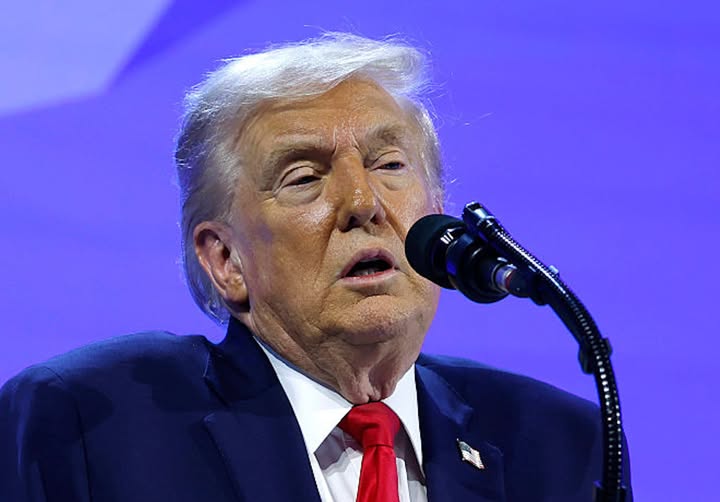
The Board of Peace is a newly established international organization created to promote peace, stability, and governance in regions affected by armed conflict, most notably the Gaza Strip after the 2025 Israel‑Hamas War. Officially chaired by U.S. President Donald Trump, it was first proposed in late 2025 and formally launched in January 2026 during the World Economic Forum in Davos, Switzerland.
According to its founding charter, the Board is “an international organization that seeks to promote stability, restore dependable and lawful governance, and secure enduring peace in areas affected or threatened by conflict.”
Its creation was endorsed by the United Nations Security Council in 2025 as part of a broader ceasefire framework to end hostilities in Gaza, giving it a specific role in the territory’s reconstruction and governance transition.
Origins and Development
The idea of the Board emerged in September 2025 as part of a 20‑point U.S. plan intended to bring stability to Gaza, where a ceasefire was reached after years of conflict. The United Nations Security Council adopted a resolution drafted by the U.S., which authorized the board as a transition mechanism for the territory.
In January 2026, Trump formally signed the charter at Davos, launching the Board of Peace in a high‑profile diplomatic event attended by representatives from dozens of countries.
How the Board Works
Leadership and Structure
- Chairman: Donald J. Trump serves as the inaugural chairman. Under the board’s charter, the chairman has wide authority, including inviting members, approving decisions, and designating successors.
- Executive Board: A smaller executive committee supports the Board’s mission. Members include U.S. Secretary of State Marco Rubio, Trump’s special envoy Steve Witkoff, Trump’s son‑in‑law Jared Kushner, former UK Prime Minister Tony Blair, World Bank President Ajay Banga, and others.
Membership Rules
Membership on the Board of Peace is by invitation only from the chairman. Most member states serve three‑year terms, but nations that contribute at least $1 billion during the first year earn permanent seats on the board.
This funding model represents one of the most expensive entry costs in international diplomacy, raising questions about equity and influence.
Mandate and Mission
Initial Focus: Gaza
The Board’s first task is tied to the Gaza Strip. Under the UN resolution that authorized it, the Board of Peace is expected to:
- Support reconstruction of Gaza after heavy destruction.
- Oversee a transitional technocratic government in Gaza, known as the National Committee for the Administration of Gaza (NCAG), headed by former Palestinian Authority official Ali Shaath.
- Facilitate disarmament of militant groups and help deploy an International Stabilization Force (ISF) to assist security and governance reforms.
Beyond Gaza
While the Gaza mission is its immediate priority, the Board’s charter and mandate language are broader, allowing it to address peace and governance challenges in other conflict zones if members agree.
Who Has Joined — and Who Hasn’t?
The Board has secured participation from a mix of countries. Some Middle Eastern states such as Saudi Arabia, Qatar, the UAE, Egypt, and Turkey have agreed to join. Others from Latin America and beyond have also accepted invitations.
However, several traditional Western allies — including Spain, the U.K., Canada, and many European Union members — have declined or expressed hesitation, citing concerns over the organization’s structure, transparency, and potential to rival existing bodies like the United Nations.
Controversies and Criticisms
Relationship With the United Nations
Some critics worry the Board of Peace could undermine the U.N. system by establishing a parallel international body with fewer accountability mechanisms and a more centralized power structure.
Others point to the board’s expensive membership and leadership model — anchored around Trump’s control and the $1 billion permanent seat fee — as privileging wealthier nations and private influence over collaborative diplomacy.
Reactions From Global Actors
Reactions have varied widely:
- Several Western nations have rejected or cooled on the initiative.
- Some countries see participation as a way to gain influence in post‑conflict reconstruction and diplomacy.
- Analysts warn that broadening the Board’s mandate beyond Gaza could increase geopolitical friction, especially if it begins to rival established international organizations.
Looking Ahead
The Board of Peace represents a major new experiment in international governance and peacebuilding. Its success will depend on whether it can help rebuild conflict‑affected areas like Gaza, secure broad international participation, and demonstrate credibility alongside or within the established international system.
While still in its early stages, the Board’s launch has already reshaped debates over how peace is managed globally in the 21st century
Board of Peace at a glance:
- Founded: Announced January 2026 (proposed September 2025)
- Chairman: Donald Trump
- Mission: Promote peace, governance, and reconstruction in conflict zones
- Initial Focus: Gaza post‑war governance and rebuilding
- Controversy: Relationship with U.N., membership costs, governance model
Never Miss a Story: Join Our Newsletter