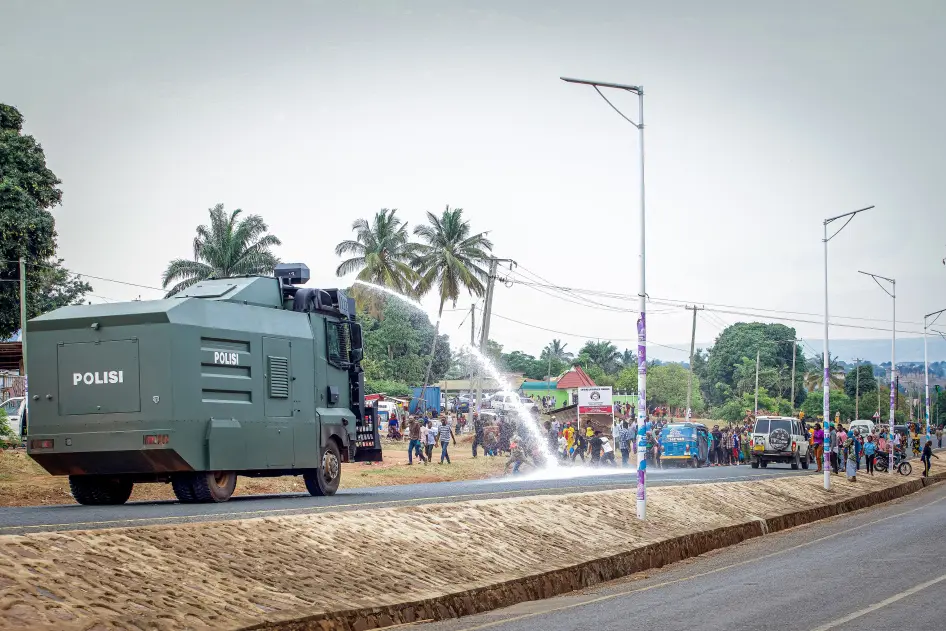
The phrase Tanzanian conflict now shadows what looked, at first glance, like a standard election in East Africa’s stable mainland: the general poll held in Tanzania on 29 October 2025. But what erupted soon after was anything but routine. In this feature we dig into the arc of the conflict, the players, the turning-points, and ask—where might it go from here?
A Vote That Sparked Unrest
On 29 October, Tanzanians went to the polls. Samia Suluhu Hassan, the incumbent president since 2021, secured what the electoral commission recorded as roughly 97.6 % of the vote.
Yet this election saw the two major opposition candidates barred from standing, raising deep questions about fairness and competition.
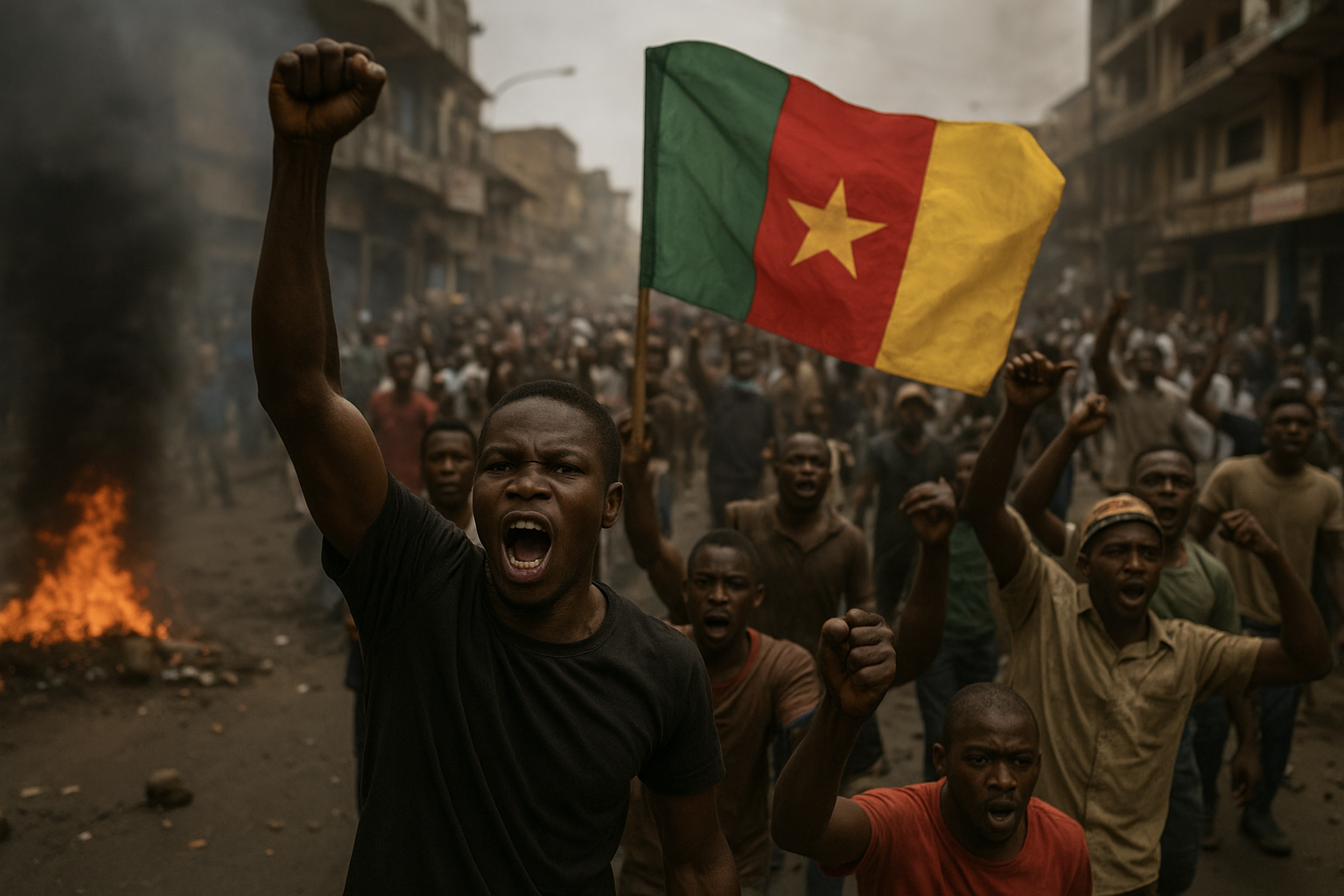
Protests erupted swiftly. In key cities—including Dar es Salaam—youth and urban residents marched, chanted, and confronted security forces, asserting that the poll was a “sham” or “coronation”.
Security forces answered with curfews, internet shutdowns, and military deployment. The commercial capital was under a 6 pm curfew.
Then came the contested claims of death tolls. The main opposition party, Chadema, alleged around 700-plus people killed nationwide. The United Nations’ human rights office put the confirmed number at “at least 10” but expressed alarm over missing verification.
Meanwhile, life in some parts of the country began returning to slow normalcy: internet access was restored; curfews lifted in Dar es Salaam.
So: what started as a highly-managed election turned quickly into the Tanzanian conflict.
Why This Matters
This is not just another electoral hiccup. The Tanzanian conflict carries broader significance.
1. A legitimacy crisis
When an overwhelming victory occurs alongside credible claims of opposition exclusion, public trust erodes. Many citizens no longer see the election as a genuine contest. One student said: “We didn’t vote because the election is a one-horse race.”
2. Youth and urban frustration
The protest waves surfaced from younger urban populations, often facing unemployment and fewer opportunities for political voice. That means the conflict is not just about this election—it signals wider social tension.
3. Information and connectivity control
Authorities’ use of internet shutdowns and curfews illustrate how modern social mobilisation can meet older methods of state response. The blackout itself became part of the conflict.
4. Regional ripple effects
Tanzania’s political stability has regional implications: trade corridors, East African integration, investor confidence. A protracted conflict threatens more than domestic politics; it could have cross-border spill-over.
Where It Might Head: Three Scenarios
Scenario A: The Consolidation Option
The most probable path is that the government re-establishes order, makes minimal concessions, and retains governing control. Protests dwindle under pressure; the opposition is suppressed; the government marches on. In this case the Tanzanian conflict is contained but unresolved.
What might happen:
- Opposition leaders remain under pressure; limited reforms.
- A return to normalcy in cities, though trust is low.
- International donors or investors raise concerns but do not withdraw fully.
Scenario B: Negotiated Freeze
A second possibility is a “pause” rather than closure—a mediated freeze. Regional bodies or international actors push for a limited investigation or dialogue. The government grants some concessions (e.g., release of detainees, independent monitor) and the opposition accepts a “cool-down”. The conflict becomes dormant, not solved.
What might happen:
- Some political detainees released; communications restored.
- A framework for “future reform” is announced but not fully implemented.
- Citizens stay alert – the next wave could come.
Scenario C: Escalation and Prolonged Unrest
The more dangerous route: the conflict deepens. If credible death tolls mount, if security forces splinter, or if the urban protest base escalates into sustained non-violent or even violent resistance, the Tanzanian conflict could tilt into prolonged instability.
What might happen:
- Further casualties or disappearance reports intensify mobilisation.
- The economy suffers: tourism dips, investor pull-out, supply chain disruptions.
- Regional neighbours feel ripple effects (refugees, border unrest).
- A heavy-handed response deepens alienation, possibly creating a cycle of protest and suppression.
Key Indicators to Watch
- Security-force behaviour: Will the military/police continue to fire live ammunition? Are there reports of refusals or splits within the security apparatus?
- Independent casualty verification: When credible casualty counts (from hospitals, NGOs, UN monitors) emerge, the risk of escalation rises.
- Communication status: If internet/mobile disruptions recur or media is shut down again, the risk of misinformation and radicalisation increases.
- Opposition strategy: Is the opposition calling for dialogue, electoral reform, or escalation? Are youth groups organising outside party structures?
- Regional/international pressure: Are regional bodies (e.g., East African Community) or global actors imposing conditions, aid cuts, or sending observers?
- Economic signs: Are trade/transport corridors disrupted? Are investors pulling out? Does the tourist sector show early signs of weakening?
What Happens Next?
For readers catching up now, the core narrative of the Tanzanian conflict is just beginning. Over the next weeks and months:
- Watch for whether the government acknowledges any wrongdoing, launches investigations, or holds the line.
- Note whether the protests peter out or regenerate with new energy (especially among urban youth).
- Observe if the international community acts more forcefully: public statements alone aren’t enough; tangible pressure would shift incentives.
- Follow the economic indicators: Tanzania has enjoyed relative stability; a shift there would broaden the stakes.
- Monitor the region: Tanzania’s neighbours (Kenya, Uganda) may feel indirect effects—through refugees, trade bottlenecks or political contagion.
In short, the Tanzanian conflict is not merely about one election. It is about the legitimacy of governance in Tanzania, the voice of a younger generation, the cost of political exclusion, and the durability of coercive responses in modern states. How Tanzania navigates this moment will matter—for its citizens, for East Africa, and for how we understand elections in a changing era.
As you watch developments unfold, keep in mind that one day’s headline — “government declares landslide victory” — can live beside another: “protests erupt, dozens killed.” The conflict’s direction depends on whether the underlying grievances are addressed or suppressed. What happens next in Tanzania may well shape more than its own future.
Never Miss a Story: Join Our Newsletter