
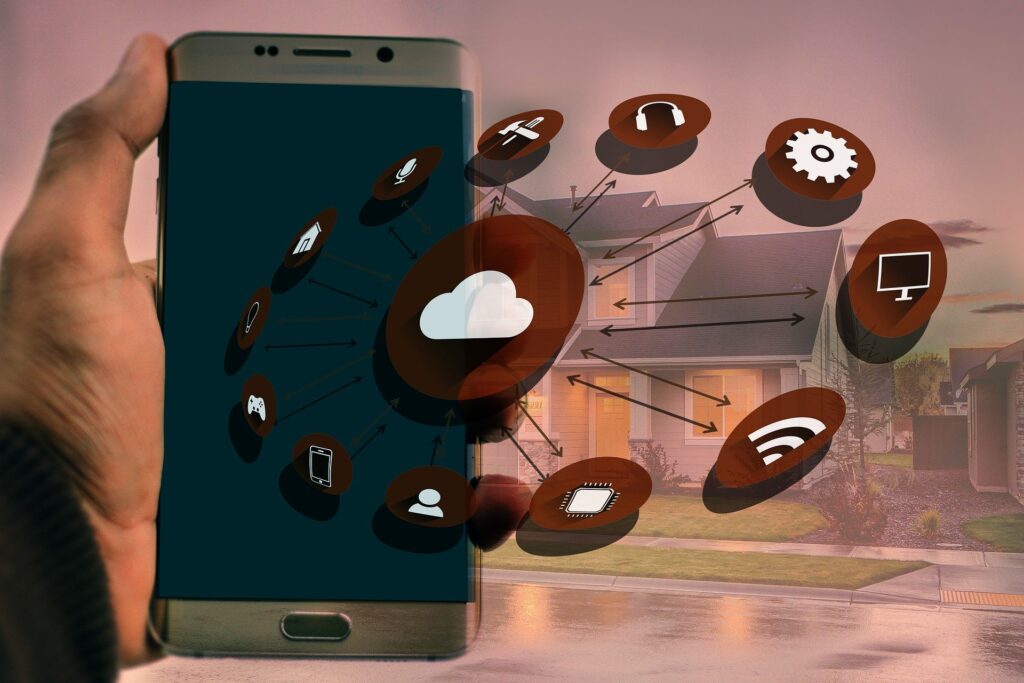
Smart home tech isn’t just a future trend — it’s rapidly shaping how homes are built, marketed, and lived in across Kenya. From energy efficiency to security, tech-driven homes are becoming more accessible and valuable.
1. What Is Smart Home Technology?
Smart home technology refers to devices and systems that automate tasks, improve comfort, enhance security, and increase energy efficiency. These systems are often controlled through:
- Smartphones
- Voice assistants
- Centralized home hubs (like tablets or wall panels)
Examples include smart lights, thermostats, sensors, security cameras, and more.
2. Why Smart Homes Matter in Kenya
Kenya’s rapid urbanization, rising middle class, and increasing tech adoption make smart homes especially relevant:
Urban Growth
As more people move to cities like Nairobi, Mombasa, and Kisumu:
- Space efficiency becomes critical
- High-density housing demands better security and automation
Energy Costs and Reliability
With high electricity costs and occasional power fluctuations:
- Smart energy systems (solar + battery + automation) help reduce utility bills
- Load management becomes a priority
Tech Adoption
Kenya’s high mobile penetration (thanks to M-PESA, smartphones, and data accessibility):
- Makes mobile control and app-based automation very practical
- Drives young professionals toward tech-enabled living
3. Smart Technologies Being Adopted in Kenyan Developments
Below are some of the fastest‑growing smart solutions being integrated into modern housing:
A. Smart Security Systems
- Smart door locks: open/close with phones or PINs
- Smart alarms & sensors: motion detection linked to alerts
- Video cameras: remote monitoring via apps
- Example: Gated communities installing centralized CCTV with resident access
Benefits
✔️ Improves safety
✔️ Offers remote surveillance
✔️ Allows temporary access codes for guests or workers
B. Smart Lighting & Appliances
- Automated lighting schedules
- Energy‑saving LED systems with motion sensors
- Remote on/off control via phone
Why it helps Kenyan homes
- Lowers electricity bills
- Enhances convenience
- Useful in multi‑storey housing
C. Solar + Smart Power Management
Given unreliable grid power and rising costs, many owners combine:
- Solar panels
- Battery systems
- Smart energy controllers
These systems automatically:
- Store excess solar energy
- Switch between grid and battery
- Optimize appliance power use
This is becoming popular in Nairobi suburbs, satellite towns, and self‑contained gated developments.
D. Smart Climate Control
While climate systems like central HVAC are less common in local middle‑income homes due to cost, these are appearing in:
- Higher‑end developments
- Villas and executive residences
Features include:
- Automated temperature control
- Smart fans and ACs
- Remote scheduling for comfort and efficiency
E. Voice Assistants & Home Hubs
Voice‑activated assistants (like Amazon Alexa, Google Home) are less common than basic smart controls, but adoption is rising among:
- Young professionals
- Exposed urban buyers
They’re mainly used for:
- Music and announcements
- Lighting control
- Timers and reminders
4. Benefits of Smart Homes in Kenya
Here’s how smart tech makes a real difference:
👍 A. Convenience
- One app or hub controls multiple systems
- Schedules reduce manual intervention
- Remote access from work, travel, etc.
B. Energy Efficiency & Cost Savings
Smart systems can:
- Track power usage
- Reduce waste through automation
- Lower monthly utility bills
This matters where electricity costs are high.
C. Security and Peace of Mind
Home automation combined with sensors and cameras helps protect families and property — a major factor for buyers.
D. Property Value Increase
Homes with integrated smart systems tend to:
- Sell faster
- At higher prices
- Appeal to tech‑savvy buyers
Developers use this as a selling point.
5. Where Smart Homes Are Growing in Kenya
These features are mostly found in:
Urban & Peri‑Urban Areas
- Nairobi (Westlands, Kilimani, South B)
- Mombasa’s upscale estates
- Kisumu tech‑oriented housing
Gated Communities & Gated Villas
Developments that include:
- Central Wi‑Fi
- Secured managed access
- Integrated automation systems
Developers often provide an install‑ready smart package.
6. Challenges to Smart Home Adoption in Kenya
Despite growth, several hurdles remain:
A. Cost Barrier
- Smart appliances and systems can be expensive
- Not yet a priority for all buyers
B. Electricity & Internet Reliability
- Smart systems need consistent power and connectivity
- Not all areas have stable internet
Some solutions include:
- Offline functionality
- Solar + backup power systems
C. Awareness & Technical Support
- Many buyers don’t fully understand smart home benefits
- Technical support and maintenance are still emerging services
This creates demand for training and after‑sales support.
7. Future Trends in Kenya
Here’s what’s on the horizon:
A. More Integrated Home Systems
Future homes may combine:
- Security, power, climate, and water systems into one dashboard
B. AI + Predictive Automation
Smart systems could soon:
- Learn user behavior
- Optimize cooling and lighting automatically
C. Affordable Smart Starter Packs
Brands are already introducing:
- Budget‑friendly smart kits
- Compatible with basic smartphones
Smart home technology in Kenya is growing fast and becoming a key differentiator in modern housing developments. While cost and infrastructure challenges still exist, the benefits in security, convenience, value, and energy efficiency make smart homes an increasingly attractive option — especially for young buyers and investors.
Never Miss a Story: Join Our Newsletter