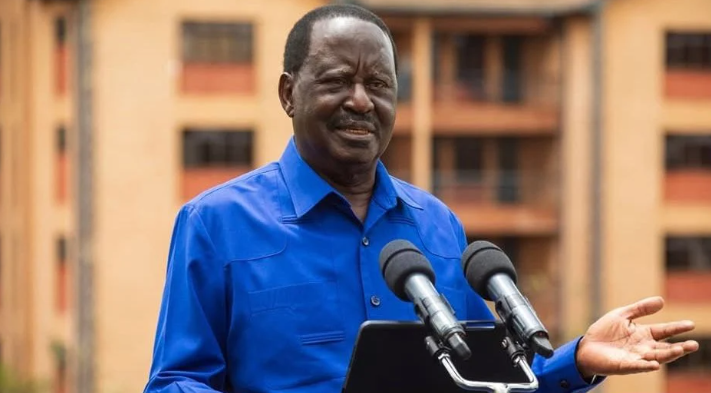
A Legacy Forged in Fire, Defined by Grace
Few African politicians embody the tension between struggle and forgiveness as profoundly as Raila Amolo Odinga. For over six decades, his name has stirred passion, loyalty, and controversy in equal measure. From the cold cells of Moi’s detention chambers to the warm glow of the 2018 Handshake and finally, the surprising alliance with President William Ruto’s UDA Party in 2025, Raila’s story has evolved from defiance to reconciliation.
In a nation often fractured by ethnic rivalries and political vendettas, Raila Odinga’s enduring legacy is not merely one of opposition, but of grace under pressure. He has learned — and taught Kenya — that national healing sometimes requires shaking hands with one’s fiercest rivals.
Roots of a Revolutionary
Born on January 7, 1945, in Maseno, Nyanza, Raila Odinga grew up in a household that carried both privilege and burden. His father, Jaramogi Oginga Odinga, Kenya’s first Vice President, was a respected liberation hero and one of the earliest voices demanding political pluralism after independence.
From his father, Raila inherited a restless conscience — the conviction that freedom was meaningless without justice. His mother, Mary Juma Odinga, grounded him in faith and quiet resilience, values that would later serve as anchors through years of imprisonment and political exile.
After attending Maranda High School, Raila left for East Germany, where he studied mechanical engineering at the Technical University of Magdeburg, graduating in 1970. His German education shaped his analytical mind and deep respect for order — traits that would later define his political method.
The Engineer Who Tried to Rebuild a Nation
Raila’s return to Kenya in the early 1970s coincided with the rise of authoritarianism under President Daniel arap Moi. He began as a lecturer at the University of Nairobi and later served as Managing Director at the Kenya Bureau of Standards, where he demonstrated a meticulous, system-driven approach to governance.
But politics was his destiny. Influenced by his father’s reformist ideals, he joined the underground movement advocating for multi-party democracy. That choice would change — and nearly end — his life.
Detention and the Birth of Conviction
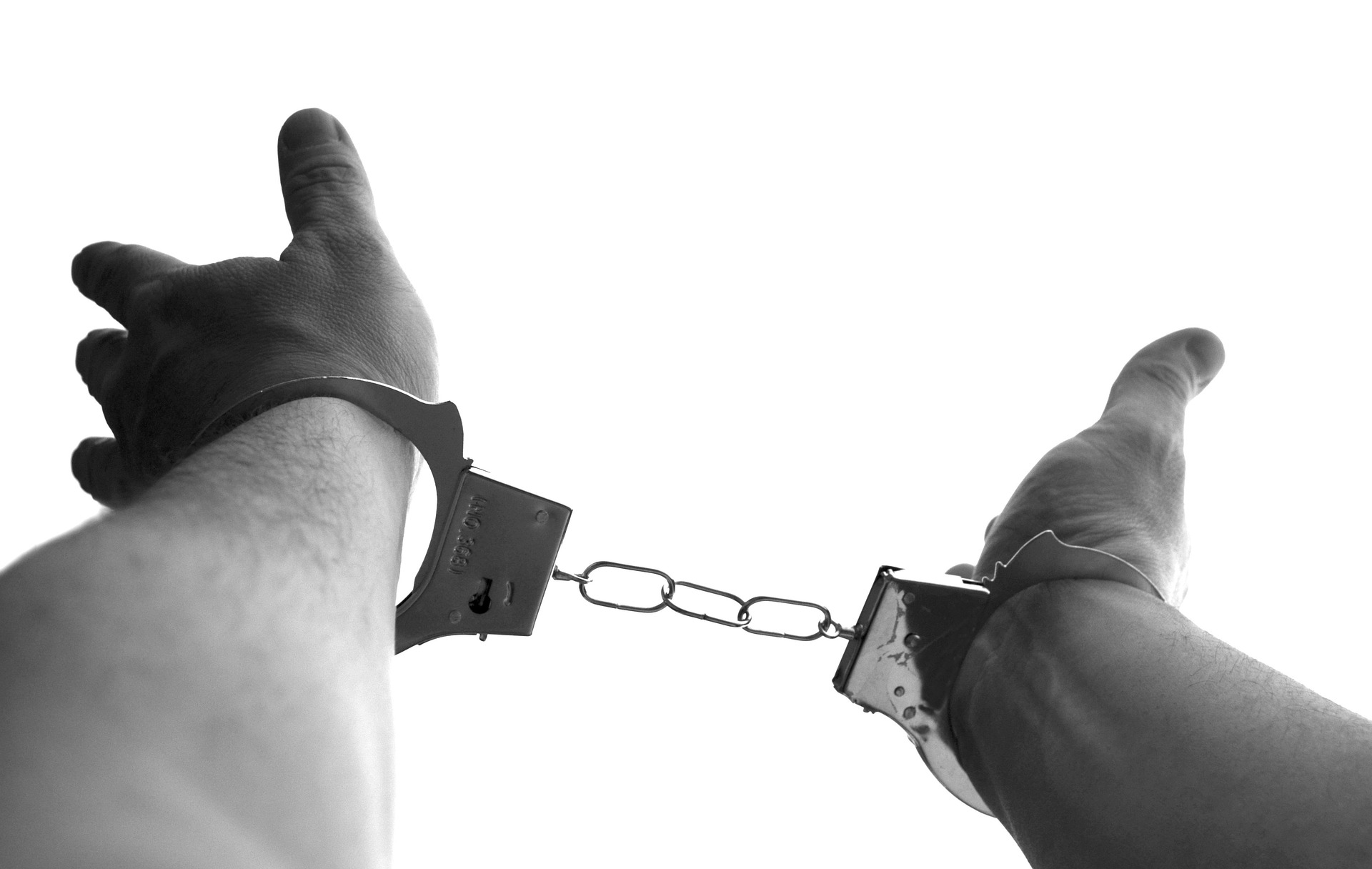
In 1982, following the failed coup attempt against Moi’s regime, Raila Odinga was arrested and detained without trial for nearly eight years. Solitary confinement became his crucible. Many expected him to emerge broken; instead, he came out tempered — his fire refined, his anger replaced with purpose.
From that darkness, Raila forged a lifelong belief that change cannot come through vengeance. His later life — marked by reconciliations with former adversaries — was born from this period of suffering.
Champion of Reform and Democracy
When the winds of democracy swept through Kenya in the early 1990s, Raila was among the torchbearers. Together with his father and other reformists, he helped form the Forum for the Restoration of Democracy (FORD), challenging Moi’s one-party state.
In 2002, Raila’s political influence was undeniable. His backing of Mwai Kibaki under the National Rainbow Coalition (NARC) helped end Moi’s 24-year rule. It was a moment of national triumph — one that crowned Raila as a master coalition builder and symbol of change.
But Kenya’s politics remained treacherous. The disputed 2007 elections led to post-election violence that left over 1,300 people dead. As the nation burned, Raila again faced a moral crossroad.
The Handshake with Kibaki — Reconciliation Over Revenge
In 2008, under international mediation, Raila Odinga and President Kibaki reached a power-sharing agreement that created the Grand Coalition Government, with Raila as Prime Minister. The handshake that sealed the deal was more than political — it was moral.
For many Kenyans, Raila’s decision symbolized forgiveness in action. He put aside personal grievance to restore peace. His leadership during that period brought stability and laid the groundwork for the 2010 Constitution, one of the most transformative legal documents in Kenya’s history.
The Handshake with Uhuru Kenyatta — A Statesman’s Second Act
Ten years later, in 2018, after another bitterly contested election, Raila surprised the nation once again by reconciling with President Uhuru Kenyatta. The handshake on March 9, 2018, dissolved years of hostility, cooled nationwide tensions, and ushered in the Building Bridges Initiative (BBI) — an ambitious, if controversial, attempt to reform Kenya’s political structure and promote inclusion.
This second handshake confirmed Raila’s metamorphosis — from radical reformer to elder statesman. He was no longer driven by the desire to win elections but by a deeper purpose: to leave Kenya better than he found it.
The Broad-Based Government with UDA — Reconciliation Redefined
In 2025, Raila’s capacity for reconciliation reached an unexpected crescendo. His ODM Party entered a broad-based government with President William Ruto’s UDA Party, following months of social unrest and political fatigue.
Initially, Raila resisted the idea. He feared it would dilute ODM’s independence and blur Kenya’s democratic lines. Yet the mounting youth protests, economic hardship, and widening national divisions compelled him to act.
In March 2025, at the Kenyatta International Convention Centre (KICC), Raila and Ruto signed a 10-point Memorandum of Understanding (MoU) — a pact to address Kenya’s pressing challenges: youth unemployment, debt transparency, devolution, gender equality, anti-corruption, and the implementation of the NADCO Report.
ODM’s Central Committee subsequently ratified the deal, forming a 10-member joint technical committee to work with UDA counterparts on executing the MoU. For Raila, it was another demonstration that peace sometimes demands compromise.
Critics saw betrayal. Supporters saw maturity. But to Raila, this was not capitulation — it was stewardship. “We must calm the waters,” he told his allies. “When the nation is bleeding, leadership must heal, not harden.”
Forgiveness as Strategy, Reconciliation as Philosophy
Raila’s long journey from prison to partnership reflects a profound inner evolution. His enemies often outnumbered his allies, yet he consistently refused to return hatred for hatred.
He learned that Kenya’s unity could not be legislated — it had to be lived. His handshakes, however politically calculated they appeared, carried a deeper theological rhythm: that reconciliation, not revenge, redeems the soul of a nation.
Behind his calm public persona stands Ida Odinga, his lifelong partner and confidante, whose steadiness through decades of detention, exile, and political warfare has anchored him. Their marriage — one of faith and endurance — mirrors the same patience Raila demands of Kenya itself.
Legacy: The Unfinished Revolution
Raila Odinga’s life is both triumph and tragedy. He may never have worn the crown of the presidency, but his moral authority outlasts political titles. His fingerprints are on Kenya’s greatest democratic milestones — multiparty democracy in 1991, the 2008 peace accord, the 2010 Constitution, and the 2025 broad-based government.
His political story is Kenya’s story — of wounds healed slowly, of democracy bought dearly, and of leaders who learn that forgiveness, not fury, builds nations.
As history judges his journey, Raila will likely be remembered as the statesman who refused to hate, the engineer who tried to rebuild not machines, but people — and the politician who believed that even in defeat, one can still serve.
Never Miss a Story: Join Our Newsletter