
Two Eras, Two Languages of Love
There was a time in Kenya—and much of the world—when lovers exchanged handwritten letters, perfumed envelopes, and symbolic gifts like handkerchiefs or woven wristbands. These mementos were deeply treasured, sometimes tucked away in suitcases or under mattresses, guarded like sacred relics of romance. Today, we swipe, text, ghost, or double-tap to express interest. Relationships have evolved, but have they become better—or more fragile?
This comparative analysis explores the transformation of romantic relationships from the past to the present, peeling back the layers of culture, commitment, communication, and emotional value across generations.
1. Communication: Letters vs. Likes
Then:
Love letters were the heartbeat of courtship. Whether in Kiswahili, English, or mother tongue, they were personal, poetic, and often full of longing. The effort it took to write, wait for delivery, and read a letter heightened the emotional value. Every sentence carried weight, and every reply was eagerly anticipated.
Now:
Communication is instant. WhatsApp, DMs, and emojis have replaced pen and paper. While faster, today’s messages often lack depth. “Hi” and “wyd” cannot rival the emotional investment of “My dearest Achieng, every sunrise reminds me of your smile.” In modern relationships, attention spans are shorter, and ghosting is a common exit strategy—something unheard of in the days of long-distance love through post offices.
Verdict: Then was slower but sincere. Now is faster but often fleeting.
Read Also: The Art of Saying No: Why Boundaries Are Trending in Kenya
2. Gifting Culture: Symbolism vs. Spending
Then:
Gifts were simple but carried profound meaning. A handkerchief, a photo in a frame, or a homemade bracelet meant someone had thought deeply about you. In some cultures, a woman sewing a man a kitenge shirt or beaded belt was a near-marital gesture. These gifts were often stored and cherished for decades.
Now:
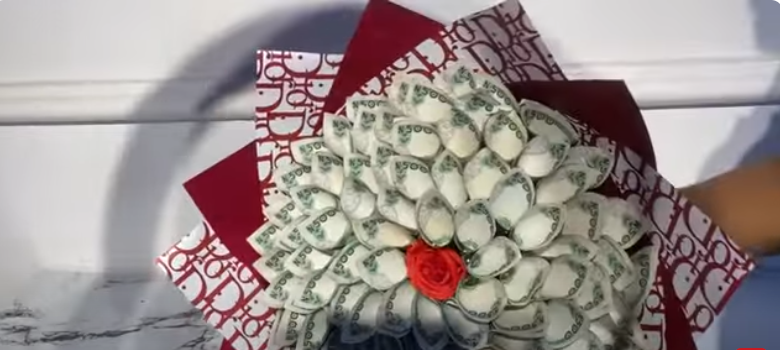
Gifts today lean heavily on material value. Phones, watches, flowers from online vendors, or money sent via M-Pesa dominate the gifting landscape. Unfortunately, this has also fed into transactional dating, where gifts are sometimes seen as down payments for affection.
Verdict: Then emphasized emotional investment; now often reflects economic value.
3. Commitment: Endurance vs. Exit Options
Then:
Love was seen as a long journey. Relationships survived distance, poverty, and even disapproval from families. Divorce was rare and stigmatized, and “working things out” was the default approach.
Now:
Relationships today have more freedom—but also more exits. With rising independence, especially among women in Kenya, people no longer stay in unhappy relationships just to conform. While this is empowering, it also makes modern love more volatile. The idea of “forever” has been replaced by “for as long as it works.”
Verdict: Then favored longevity, sometimes at the cost of personal happiness. Now champions self-fulfillment, but often at the expense of resilience.
4. Privacy vs. Public Display
Then:
Love was private. You’d rarely see couples being affectionate in public. Love was nurtured quietly, behind closed doors or under trees, not for the village—or the internet—to witness.
Now:
Relationships now unfold online. Instagram posts, TikTok couples, and “soft life” holidays are the new norm. While this visibility can be a form of validation, it also opens up relationships to public scrutiny, pressure to perform, and comparison.
Verdict: Then respected sacred privacy. Now celebrates public display, but at the risk of emotional performance.
5. Role of Technology and Culture
Then:
Without the distraction of smartphones or endless entertainment, lovers had time to know each other deeply. You had to walk long distances to visit, wait for replies, or listen to radio dedications to feel connected. Patience was part of love.
Now:
Technology has enhanced connection but diluted effort. People are “talking” to five others at once. Video calls and filters have replaced actual visits and authenticity. Tinder, Badoo, and other dating apps have reduced initial connection to a swipe left or right.
Verdict: Then was about depth. Now is about speed—and sometimes, superficiality.
6. Values: Honor vs. Hustle
Then:
Relationships were grounded in cultural honor, respect, and family. A relationship often meant integration into someone’s kin, complete with chamas and introductions. Love was communal, not just individual.
Now:
Modern dating is more individualistic. Career, self-worth, and goals often come before commitment. People now talk of “soft life partners” and “bare minimum” expectations. The Kenyan dating scene especially in Nairobi has seen a spike in hyper-independence, with both men and women negotiating love like a business deal.
Verdict: Then centered on shared values. Now often revolves around personal gain or compatibility.
Final Thought: Can Old and New Coexist?
While it’s tempting to idealize the past, we must recognize that not all was perfect. Gender roles were often rigid, women lacked voice in many relationships, and emotional needs were sometimes unmet.
However, the intentionality, depth, and patience of past relationships offer vital lessons for today’s fast-paced, emoji-fueled love lives. Kenyan couples today can draw wisdom from the past while enjoying the tools of the present. Imagine writing a heartfelt letter and then sending it as a photo via WhatsApp. Old charm meets new tech.
Rediscovering Balance
Relationships, whether in Kitale or Nairobi, Eldoret or Mombasa, need both modern tools and timeless principles. The art of emotional effort, meaningful conversation, and symbolic gestures must not be lost to technology and convenience.
Love letters may have faded, but their spirit doesn’t have to. Maybe it’s time for Kenyan lovers to bring back the handkerchief—and the heart behind it.
Read Also: Breaking Free from Toxic Attraction: Steps Toward Healthier Relationships
Never Miss a Story: Join Our Newsletter