
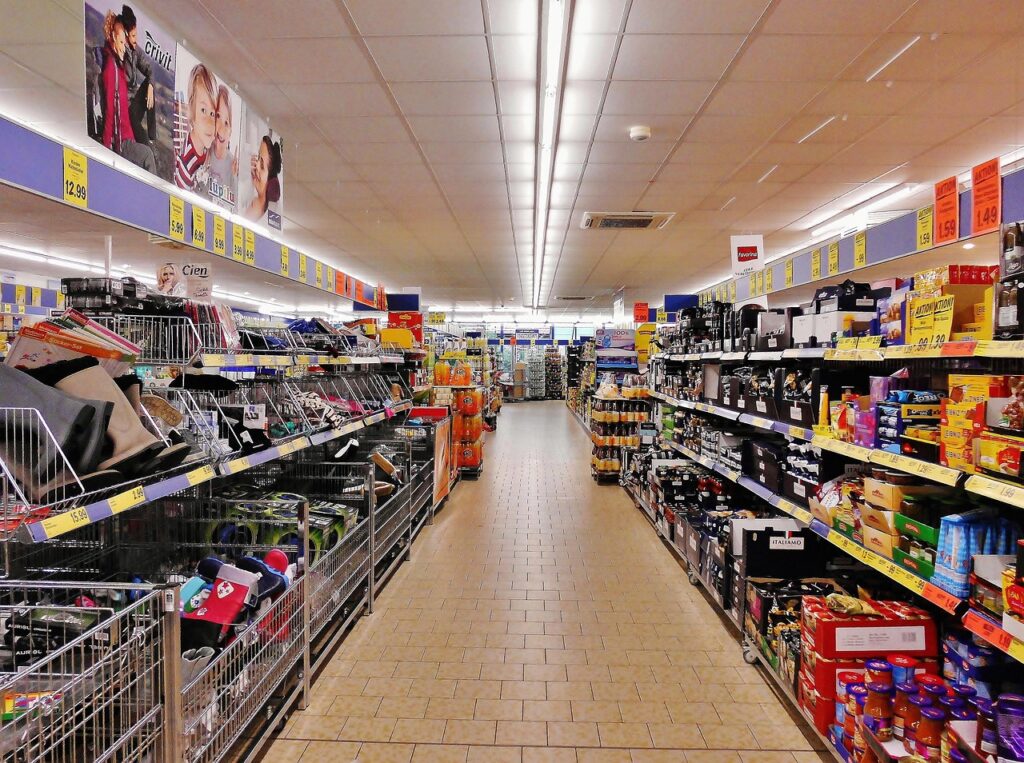
The Kenyan Ministry of Health, referencing the 2025 Kenya Market Assessment Report by the Access to Nutrition Initiative (ATNI), has issued a stark warning: approximately 90% of packaged foods sold in supermarkets contain unhealthy levels of sugar, salt, or fat .
Key Findings
- Out of roughly 746 packaged food and beverage products assessed—covering everything from soft drinks, rice, pasta, snacks, and sauces to dairy products and instant coffee—only about 10% met the nutritional standards established by the Kenya Nutrient Profiling Model .
- Just 33% of products passed the Health Star Rating system’s minimum threshold for “healthy” status .
- Over half of the sampled items fell below acceptable health guidelines, yet many are marketed as “healthy” or kid-friendly .
Health Implications
The proliferation of ultraprocessed foods is accelerating Kenya’s rise in non-communicable diseases such as obesity, diabetes, hypertension, and heart ailments—largely driven by unhealthy dietary shifts . Notably, adult obesity in Kenya has nearly tripled since 2000, with 45% of women and 19% of men now overweight or obese . Meanwhile, 79% of Kenyans cannot afford a healthy diet, perpetuating micronutrient deficiencies alongside overnutrition .
Read Also: The Powerful Benefits of Garlic for a 50-Year-Old: A Natural Ally for Healthy Aging
Government Response
Principal Secretary Mary Muthoni said the findings have sparked plans to enforce new nutrition regulations. These will include:
- Strict nutrient limits for fat, sugar, and sodium across 21 categories of processed foods sold in Kenya .
- Mandatory front-of-pack warning labels—like color-coded or warning icons—to clearly identify unhealthy foods and help consumers make informed choices .
- Stronger oversight of misleading advertising, especially marketing unhealthy food and drinks to children .
Why This Matters
With supermarkets offering a growing share of food purchases—rising alongside urbanisation and expanding middle-class lifestyles—buying processed foods has increased average body mass index and weakened dietary quality among Kenyans . This nutrition transition is widely recognized as a critical public health threat.
What’s Coming
- Kenya’s Kenya Nutrient Profiling Model (KNPM) launched in June, underpins these new regulations and guides warning label criteria .
- Other countries such as Chile, Peru, Mexico, Brazil, and Uruguay have already implemented front-of-pack warning label systems with measurable success; Kenya aims to follow suit to reverse trends in diet-related diseases .
Read Also: The Deep Benefits of Comfrey Leaves: A Healing Herb Worth Knowing
The findings offer a critical wake‑up call: the vast majority of supermarket‑shelf foods in Kenya are nutritionally poor. With obesity and chronic diseases rising sharply, the country’s push for mandatory labeling and stricter nutrient limits marks a pivotal shift toward better food transparency—putting more power in the hands of Kenyan consumers and urging manufacturers toward healthier
Never Miss a Story: Join Our Newsletter