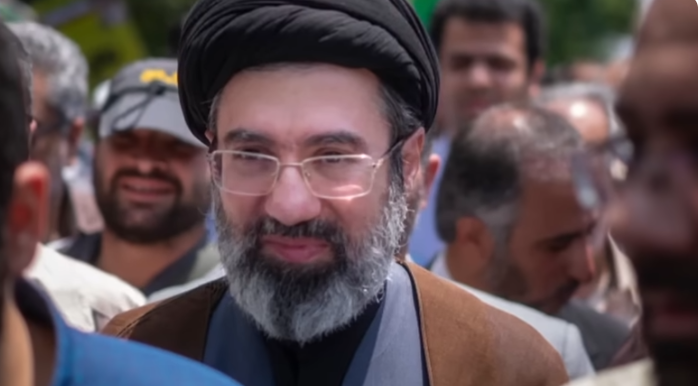
Mojtaba Hosseini Khamenei was born on 8 September 1969 in Mashhad, Iran, into one of the most powerful clerical families in the country. He is the second son of Ayatollah Ali Khamenei, who served as Iran’s Supreme Leader from 1989 until his death in 2026.
He grew up during the turbulent years surrounding the 1979 Iranian Revolution, which brought the Islamic Republic to power. His father quickly became a key revolutionary figure and later the country’s highest authority. As a result, Mojtaba was raised in a deeply political and religious environment closely tied to the new regime.
Education and Religious Training
Mojtaba Khamenei received his early schooling in various Iranian cities before finishing high school in Tehran. He later pursued Islamic theological studies in Qom, Iran’s most important center for Shiite religious scholarship.
In Qom he studied under prominent conservative clerics and eventually taught religious courses at the Qom Seminary, building influence among younger clerics and religious students.
Although he was sometimes referred to as an ayatollah, some scholars and critics argue that his theological credentials were not widely recognized at the highest level of Shiite scholarship.
Military and Revolutionary Activities
As a young man, Mojtaba joined the Islamic Revolutionary Guard Corps (IRGC) in 1987, during the final years of the Iran–Iraq War. He served with the 27th Mohammad Rasulullah Division and participated in several operations near the end of the conflict.
Later, he developed close relationships with the IRGC and the Basij militia, two powerful institutions responsible for protecting the Islamic Republic and enforcing internal security.
Rise as a Political Power Broker
For many years Mojtaba Khamenei stayed largely behind the scenes, but he gradually gained significant influence inside the Iranian government.
During his father’s rule, he worked within the Office of the Supreme Leader, where he reportedly played an important role in political and security affairs and built strong connections with military and clerical elites.
His name became widely known during the 2009 Iranian presidential election crisis, when opposition figures accused him of helping orchestrate the regime’s response to protests that followed the disputed re-election of President Mahmoud Ahmadinejad.
Over the years, analysts described him as one of the most influential yet secretive figures in Iranian politics, sometimes calling him the “shadow power” behind the leadership.
International Sanctions
In 2019, the United States Treasury Department imposed sanctions on Mojtaba Khamenei as part of measures targeting individuals connected to Iran’s leadership and security apparatus.
Becoming Supreme Leader (2026)
On 28 February 2026, his father Ali Khamenei was killed in an airstrike in Tehran during the escalating Iran war.
Shortly afterward, Iran’s Assembly of Experts—the clerical body responsible for choosing the country’s supreme leader—selected Mojtaba Khamenei as Iran’s third Supreme Leader. His leadership officially began on 8 March 2026.
His rise to power was controversial because it appeared to pass the leadership from father to son, which critics argued resembled hereditary rule—something the 1979 revolution originally opposed.
Political Views and Reputation
Mojtaba Khamenei is generally viewed by analysts as a hardline conservative within Iranian politics. He has strong ties to security institutions such as the IRGC and Basij, and many expect his leadership to continue Iran’s confrontational stance toward Western powers.
Personal Life
- Born: 8 September 1969, Mashhad, Iran
- Religion: Twelver Shi’a Islam
- Education: Qom Seminary
- Children: Three (one reportedly killed during the 2026 conflict)
Historical Significance
Mojtaba Khamenei’s rise marks one of the most important leadership transitions in Iran since 1989. His leadership combines:
- deep connections to Iran’s security apparatus
- a clerical background
- the legacy of the Khamenei political dynasty
Many observers believe his rule will shape Iran’s domestic politics and its relations with the world for years to come.
Never Miss a Story: Join Our Newsletter