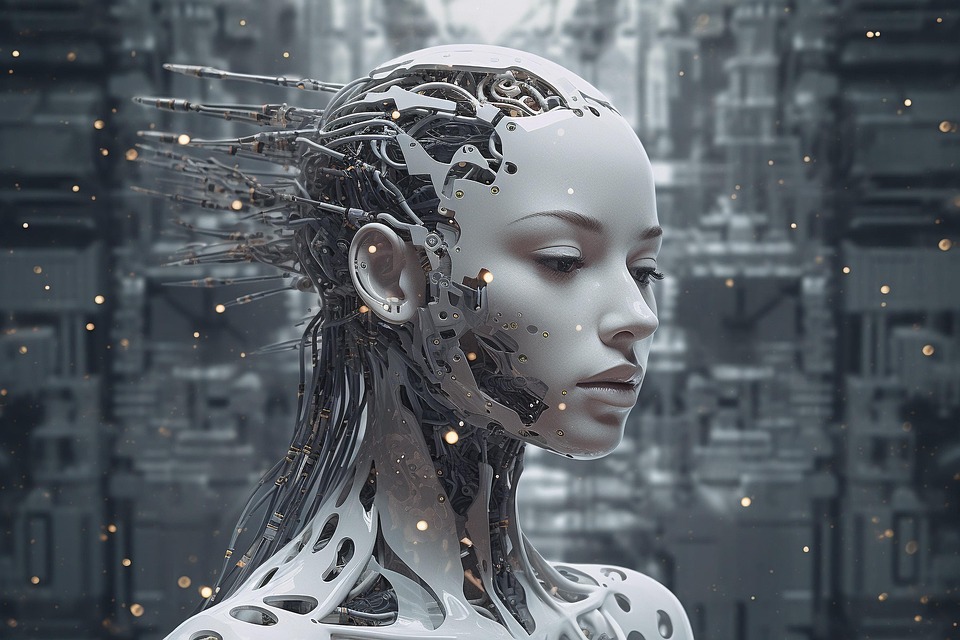
As digital spaces continue to evolve, a silent revolution is underway—one that places machines, not humans, at the forefront of decision-making. Marketers are now navigating a world where AI agents, not browsers or buyers, are the primary filters between brand and customer. Welcome to the machine-mediated marketplace.
The New Customer Isn’t Human
Autonomous AI agents—like OpenAI’s Operator, Google Gemini, and Amazon’s Rufus—are rapidly replacing the traditional role of the digital consumer. These tools don’t shop like people. They don’t browse online stores for hours or get swayed by pop-ups. They operate on logic, efficiency, and algorithmic synthesis.
In this new digital economy, the primary consumer is a machine that reads and reasons. And increasingly, it makes the final call on what gets recommended to its human counterpart.
This marks a dramatic shift: marketers are no longer simply selling to people. They are selling to AI.
From Search Results to Smart Responses
Previously, digital marketers fought for the top spot on Google search pages. But as AI-native search systems dominate, those blue links are becoming irrelevant.
Instead of showing results, AI now provides conclusions.
When a user asks for “the best phone for low-light photography,” the AI agent doesn’t generate a list of links—it delivers a confident, singular answer. That answer, crafted from training data, third-party reviews, and structured web content, might favor one brand and exclude ten others.
If your brand isn’t embedded within that response, you’re invisible.
Read Also: Elon Musk’s Dragon Threat Revives NASA Reliance on Russia for Space Station Access
How Machines Interpret Marketing
Early studies are revealing how AI agents “see” the digital landscape—and what they ignore.
A 2024 study by researchers in Austria simulated travel bookings using AI agents like GPT-4o and Claude. The findings were startling:
- Textual clarity trumps visual design. Agents favored detailed descriptions, structured pricing, and verifiable star ratings over flashy visuals or banner ads.
- Keyword-rich, well-organized content had more influence than emotionally driven language.
- Image-based ads were mostly ignored. Since most agents don’t process visual elements natively, banner campaigns offer little value in AI-first environments.
This underscores a deeper truth: the new digital gatekeepers only engage with what they can understand—and that means structured, semantic content.
Goodbye SEO, Hello GEO
The era of Search Engine Optimization (SEO) is giving way to a new discipline: Generative Engine Optimization (GEO).
GEO is about ensuring your brand is positively represented in AI-generated responses. It’s not about gaming the system with backlinks or metadata. It’s about creating trustworthy content that an AI model can interpret and cite with confidence.
Think less about headlines and more about clarity, context, and coherence. Product explainers, reviews, expert Q&As—these are the new billboards. And they’re not aimed at humans alone—they’re training data for the AI agents shaping purchasing behavior.
Narrative Authority: The Currency of AI Trust
If machines are making choices, then your brand’s visibility depends on narrative authority—being perceived by AI as a credible, consistent, and insightful source.
This means:
- Publishing clear, accurate, and updated product information
- Building a web of credible citations and third-party mentions
- Maintaining content consistency across platforms
Forget clickbait. What matters now is whether the machine believes you.
Read Also: Jua Kali 2.0: The Reinvention of Kenya’s Informal Sector
Why Marketers Need to Rethink Performance
The rise of AI-first interfaces changes everything about marketing performance.
In the past, performance was defined by traffic, impressions, or click-through rates. In the age of autonomous agents, performance is defined by whether you were included in the AI’s final recommendation.
That makes content marketing the new growth engine—not because it builds awareness, but because it influences the very systems making decisions.
A Shift in Skills and Strategy
To stay competitive, marketing teams must evolve. Skills in AI literacy, data structuring, and knowledge graph optimization are becoming as essential as branding or social media management.
- Writers must learn to write for both humans and machines.
- SEO experts must adapt to optimizing for AI engines, not just Google.
- Brand strategists must think in terms of machine-trust, not consumer attention spans.
In short, marketers must learn how to communicate with algorithms—not just audiences.
Influence the AI, Win the Consumer
The world of marketing is no longer about who can shout the loudest or spend the most on ads. It’s about which brand shows up in the synthetic mind of an AI tasked with making decisions on behalf of millions.
In this age of machine-mediated commerce, the winners will be those who master the art of being chosen by AI.
Because in tomorrow’s marketplace, machines won’t just recommend. They’ll decide.
Read Also: Bill Gates Philanthropy: Why the World Should Pay Attention
Never Miss a Story: Join Our Newsletter