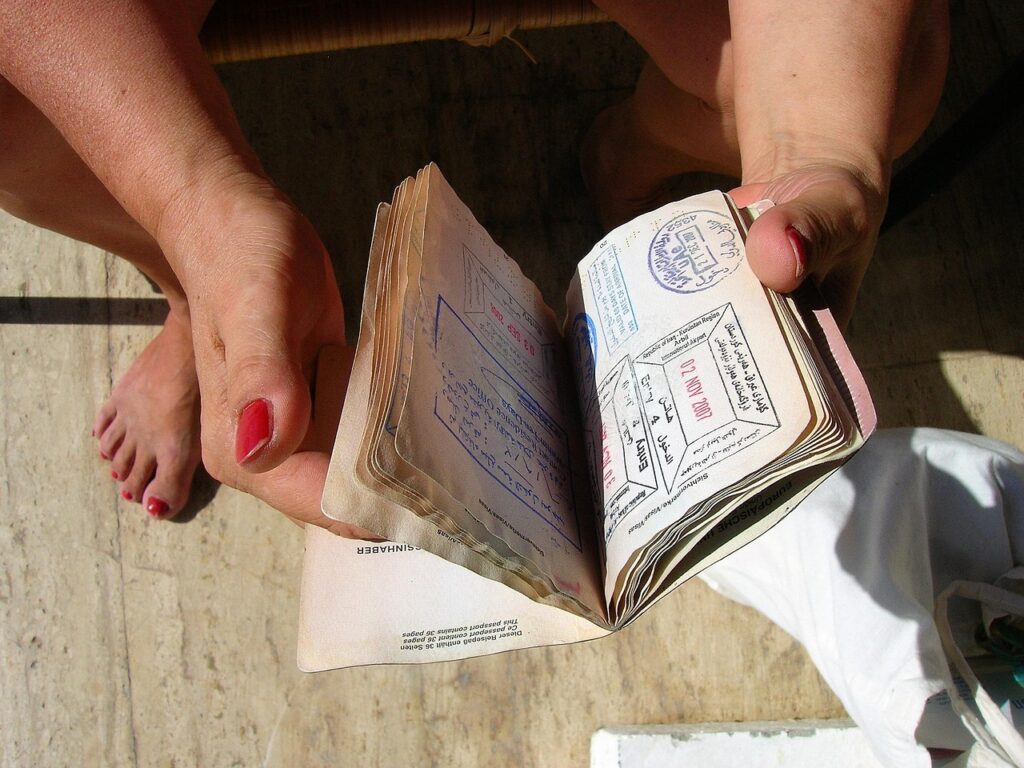
In a significant policy shift, the United States Embassy in Nairobi has introduced a mandatory requirement for all Kenyan visa applicants to disclose every social media account they have used over the past five years. The move, officially confirmed on July 25, 2025, has stirred widespread discussion, raising questions around privacy, transparency, and digital footprint accountability in international travel.
The new U.S. visa social media requirement targets applicants across all visa categories—tourist, student, business, exchange, and immigrant visas—marking a new era of heightened digital scrutiny in global mobility.
What the Policy Entails
According to the U.S. Embassy, applicants must now list every social media platform they have used in the past five years on the visa application form (DS-160 for non-immigrant visas or DS-260 for immigrant visas). This includes common platforms such as Facebook, Instagram, Twitter (X), LinkedIn, TikTok, and any other lesser-known or region-specific services like Threads, Snapchat, or Telegram, provided they were used publicly or semi-publicly.
Importantly, the policy is not limited to merely listing accounts. Applicants must include:
- Usernames and handles
- Email addresses linked to those platforms
- Phone numbers used to register or log in to those accounts
Embassy officials clarified that passwords are not required, and consular staff will not attempt to log in to applicants’ profiles. However, for some categories—especially students (F and M visas) and exchange visitors (J visas)—applicants may be asked to set their profiles to public temporarily for verification purposes.
National Security or Surveillance?
The U.S. government defends the policy as part of its broader counterterrorism and immigration fraud prevention strategy. A spokesperson at the U.S. Embassy noted that social media screening offers consular officers a powerful tool to assess the “authenticity, intent, and credibility” of applicants.
This aligns with an expanded set of vetting procedures first introduced in 2019 but now enforced more rigorously under current administrative policies. Given the rise of digital radicalization and online misinformation, embassy staff argue that screening public posts, affiliations, and behavioral patterns online helps mitigate risks associated with visa fraud or illegal immigration.
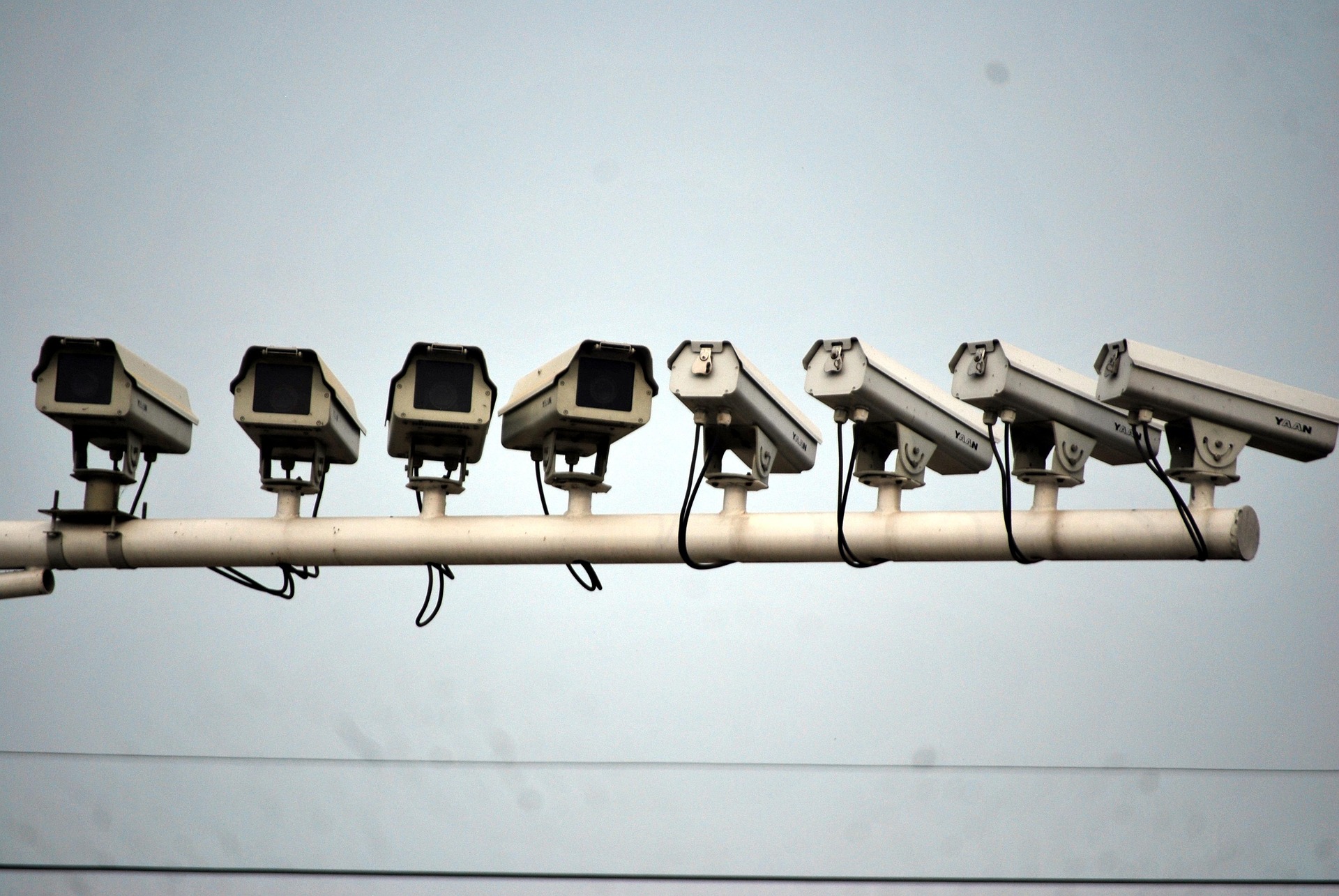
Critics, however, view the move as a breach of digital privacy. Some immigration lawyers have described it as a “soft surveillance strategy”, warning that subjective interpretation of posts, likes, or even comments can lead to unfair profiling.
Read Also: Blockchain Voting in Kenya: Can It End Electoral Rigging and Restore Trust?
Implications for Kenyan Applicants
For thousands of Kenyans seeking to study, visit, or work in the U.S., this means a new layer of preparation—one that goes beyond paperwork and interviews.
Applicants will now need to:
- Compile a list of all platforms used since 2020
- Ensure consistency between the information in the visa application and online profiles
- Remove or clarify questionable content, including politically charged comments, controversial jokes, or misleading location data
- Be ready to explain online activity if flagged during the vetting process
Failure to disclose a known account—or submitting inaccurate usernames—may result in visa denial or even permanent ineligibility for entry into the U.S.
Statement from the U.S. Embassy
In an official statement, the U.S. Embassy in Nairobi said:
“As part of enhanced screening measures, visa applicants must now provide their social media identifiers for the past five years. This is a global policy in effect for all applicants and helps strengthen our efforts to protect national security and promote lawful migration.”
The embassy emphasized that the information will be handled confidentially and used solely for security screening.
Preparing for the U.S. Visa Social Media Requirement: A Checklist
For those planning to apply for a U.S. visa, here is a practical checklist to guide compliance:
| Step | Action Required |
|---|---|
| Social Media History | List all platforms and usernames used in the last five years |
| Account Details | Provide emails and phone numbers linked to those accounts |
| Profile Settings | Make student visa profiles public if requested |
| Content Review | Delete or archive controversial or false content |
| Consistency Check | Ensure application info matches online presence |
| Legal Support (Optional) | Consult a visa consultant or immigration lawyer |
Reactions from Kenyans
Reactions on social media and news platforms in Kenya have been mixed. Some users say the rule is understandable given rising global security threats. Others fear it may disproportionately affect younger applicants, who tend to post more actively on social media and may have posted questionable content out of youthful ignorance.
“I deleted my old Twitter because I know I said some wild things in college,” joked Paul Otieno, a Nairobi-based student applying to a U.S. graduate program. “Now, I’m basically ghosting every app just to be safe.”
Meanwhile, travel agents and immigration experts are urging applicants to take the requirement seriously and plan applications earlier, as delays may occur due to additional verification steps.
Global Trend or Kenya-Specific?
While this directive is now being emphasized in Kenya, it is part of a global policy applied to nearly all U.S. visa applicants across the world. The Trump-era rule began taking shape in 2017 and became formally embedded in visa protocol by 2019. However, enforcement in Africa—particularly in Kenya—has only intensified in 2025 due to growing concerns over student visa violations and digital misinformation campaigns.
The new U.S. visa social media requirement marks a major shift in how visa applicants must prepare for travel to the United States. For Kenyans, it introduces a need for digital transparency and self-awareness in the application process.
While concerns over privacy are valid, applicants can mitigate risks by maintaining clean, honest, and consistent social media profiles—and by ensuring every detail provided aligns with their public online identity. In today’s world, your social media footprint is not just personal—it’s geopolitical.
Never Miss a Story: Join Our Newsletter