Kenya is set to enter a new era of technology-driven traffic enforcement following the launch of a nationwide smart surveillance and digital fines programme by the National Transport and Safety Authority (NTSA).
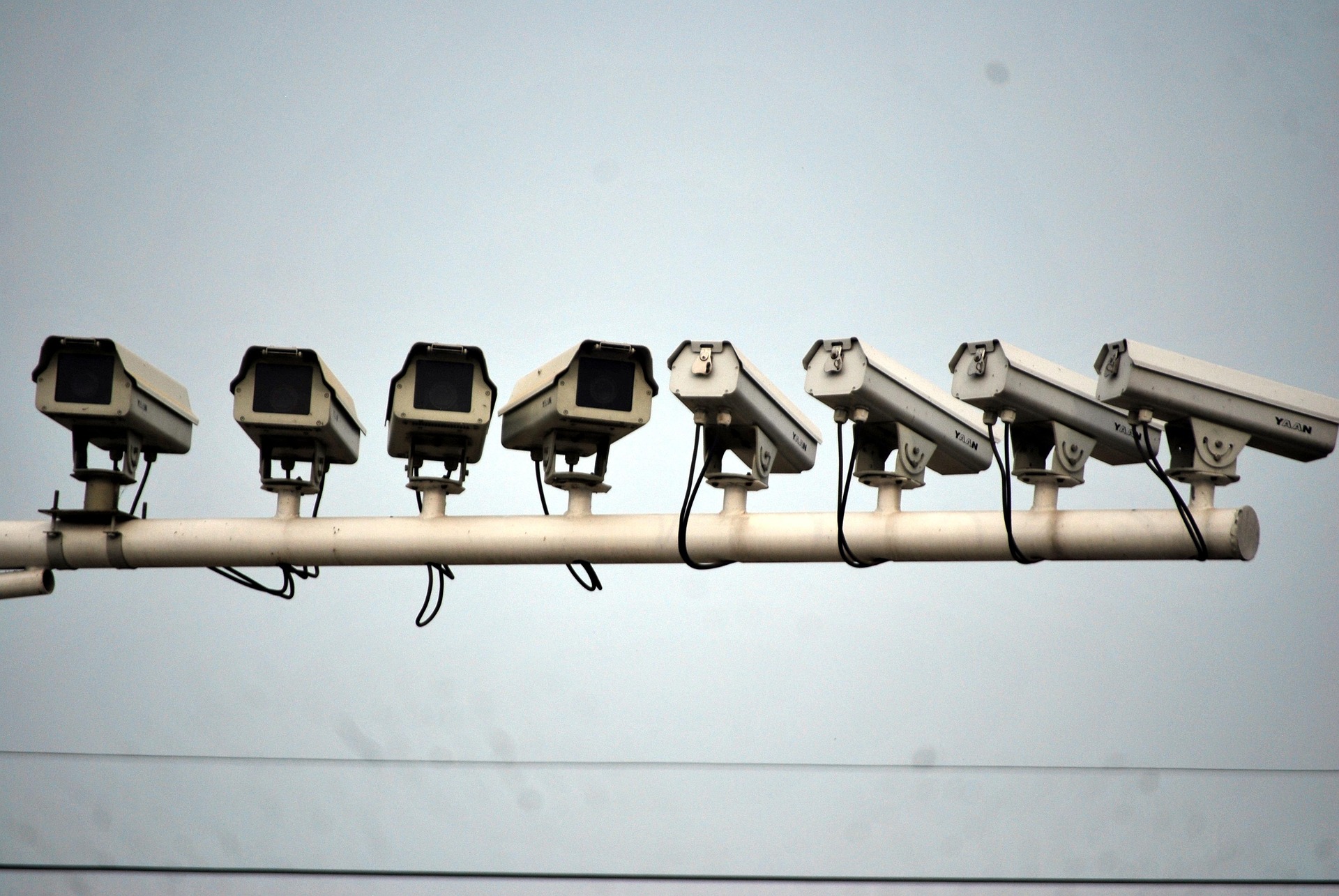
Under the Sh42 billion initiative, the authority will roll out 1,000 smart speed cameras and introduce an automated, real-time traffic violation and payment system designed to curb road crashes and improve driver discipline.
The project is anchored in a 21-year Public–Private Partnership (PPP) involving NTSA, KCB Bank Kenya Limited and Pesa Print Limited, as outlined in a public notice issued on February 24, 2026.
According to the authority, weak enforcement and persistent reckless driving have contributed to a steady rise in road fatalities—gaps the new system is expected to address.
A nationwide 24/7 surveillance network
NTSA plans to establish a continuous, countrywide monitoring network by deploying:
- 700 fixed speed cameras along major highways and accident-prone blackspots; and
- 300 mobile camera units to support targeted and flexible enforcement operations.
All 1,000 cameras will transmit live data to a central National Command and Control Centre, enabling real-time monitoring, automated detection of violations and immediate processing of penalties.
By digitising enforcement and removing most physical interactions between motorists and officers, the authority says the system is expected to significantly reduce opportunities for corruption and selective enforcement.
How the instant digital fines system will work
Under the new framework, drivers will no longer be required to visit police stations or courts for minor traffic offences. The platform is aligned with the Traffic (Minor Offences) Rules, 2016 and will operate through a fully automated workflow:
- Detection – A violation is captured by a camera or authorised enforcement officer.
- Notification – The registered motorist receives an instant SMS or in-app alert.
- Payment – The fine can be settled through mobile money, USSD or supported banking channels.
- Tracking – Each offence is recorded in a Mobile Driving Licence (MDL) wallet, allowing motorists to view their compliance history.
The system also introduces a driver merit and demerit points framework, enabling the authority to identify habitual offenders and apply data-driven enforcement measures to encourage long-term behavioural change.
Key penalties under the new regime
Speeding—identified by NTSA as one of the leading causes of fatal crashes—will attract tiered penalties, particularly in 50 km/h and other restricted zones:
| Speed above the limit | Fine |
|---|---|
| 6–10 km/h | Sh500 |
| 11–15 km/h | Sh3,000 |
| 16–20 km/h | Sh10,000 |
In addition to speeding, a wide range of common violations will be processed instantly through the digital platform.
Documentation and registration
- Driving without number plates or a valid inspection certificate – Sh10,000
- Failure to carry or renew a driving licence – Sh1,000
General conduct
- Using a mobile phone while driving – Sh2,000
- Disobeying a police officer’s lawful directions – Sh3,000
Obstruction and breakdown safety
- Causing a road obstruction – Sh10,000
- Failure to place reflective “lifesaver” triangles during a breakdown – Sh3,000
Motorcycle safety
- Riding without protective gear or carrying more than one pillion passenger – Sh1,000
Stricter discipline for the PSV sector
Public Service Vehicle (PSV) operators will be subject to enhanced compliance monitoring as part of efforts to restore order and professionalism in the matatu industry.
Key penalties include:
- Picking up or dropping passengers outside designated stages – Driver fined Sh3,000; passenger fined Sh1,000
- Failure by PSV drivers to wear uniforms or badges – Sh2,000
- Touting or failure to refund fares for incomplete journeys – Sh3,000
Vehicle compliance
- Operating without a speed governor – Sh10,000
- Use of non-compliant tinted windows – Sh3,000
Efficiency, accountability and long-term ownership
The Sh42 billion programme received Cabinet approval in late 2025 and is expected to significantly reduce the burden on courts by allowing minor traffic offences to be resolved administratively. This, in turn, will enable the judiciary to focus on serious criminal matters and major accident-related litigation.
While Pesa Print Limited will manage the technology infrastructure and connectivity under the partnership, NTSA will retain full regulatory and enforcement authority throughout the project period.
At the conclusion of the 21-year contract, ownership of the entire camera network and digital enforcement infrastructure will be transferred fully to the Government.
The rollout marks a major shift in how traffic law is enforced in Kenya, signalling a new era of automated accountability for private motorists, commercial drivers and public transport operators—anchored on technology to make the country’s roads safer for all.
Never Miss a Story: Join Our Newsletter