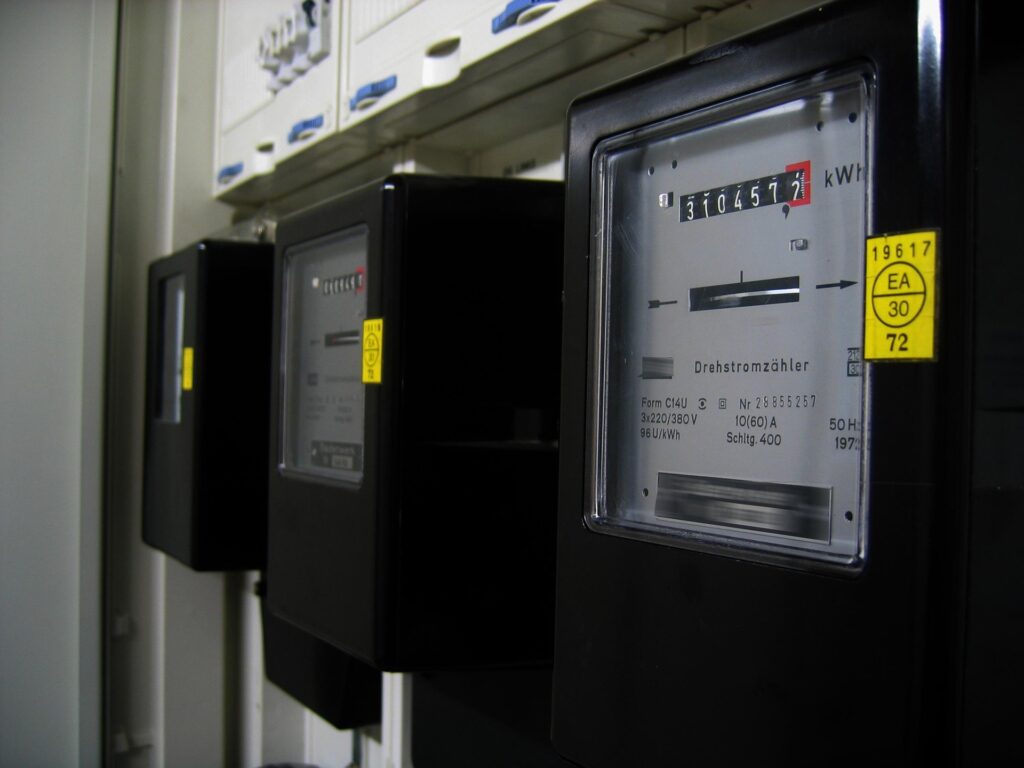
Kenya Power has clarified why some customers are now receiving fewer electricity units for the same token value, amid complaints from users across the country.
The issue came to light after a customer questioned why Ksh 3,000 that previously bought over 115 units now only purchases about 94 units — a difference of more than 20 units within just a month.
“Hey, Kenya Power, please explain to me like I am a 3-year-old. How come the same amount of money could buy 115 units just 30 days ago, but now buys only 94 units? A difference of 20 units!” an online user asked.
Outstanding Debt Recovery
In response on Wednesday, 25 February, Kenya Power explained that part of the reduction is due to automatic debt recovery.
The company noted that 20% of a customer’s token purchase may be deducted to clear any pending bills, with the remaining balance converted into electricity units.
For example, if a customer purchases tokens worth Ksh 3,000, about Ksh 600 could go toward clearing arrears, leaving a smaller amount to purchase actual units.
Tariff Structure Also Plays a Role
Kenya Power further explained that the reduction is influenced by the electricity tariff structure, which is based on a household’s average monthly consumption.
- Households consuming less than 100 units per month fall under the Domestic Lifeline Tariff, which is subsidized and cheaper.
- Customers whose average usage exceeds 100 units are moved to the Domestic Ordinary Tariff, where electricity costs more per unit.
“Consumption below 100 units falls under the Domestic Lifeline tariff. If your average usage exceeds 100 units, you are charged under the Domestic Ordinary tariff,” the company said.
Kenya Power also emphasized the importance of monitoring electricity usage to avoid crossing into a higher tariff band unknowingly.
Never Miss a Story: Join Our Newsletter