The Kenya Defence Forces (KDF) have taken a significant step toward modernising their maritime surveillance and operational capabilities after the Kenya Navy received unmanned aerial vehicle (UAV) drones donated by the Government of Denmark. The handover took place following the successful completion of a specialised training programme for Kenya Navy personnel at the Kenya Naval Training College in Mtongwe, Mombasa.
The donation ceremony, held on Monday, February 2, was officiated by Brigadier Mohamed Shemote, Commander of the Kenya Navy Fleet. It marked the culmination of an intensive training course delivered by UPTEKO Drones Company in collaboration with the Danish Military under a longstanding Kenya–Denmark defence cooperation framework.
Training for Modern Defence Challenges
During the programme, Kenya Navy officers received both theoretical instruction and practical skills in UAV operations — including flight planning, sensor deployment, aerial data collection and analysis, maintenance and safety procedures. This capacity building is part of Kenya’s broader defence modernisation agenda, aimed at equipping its forces to address evolving security challenges in the maritime domain.
Brigadier Shemote emphasized that the newly acquired drones would significantly enhance the navy’s maritime surveillance, reconnaissance, search and rescue operations, and force protection capabilities. He also expressed appreciation to the Danish Government for its continued support in strengthening Kenya’s maritime security infrastructure.
The Danish Defence Attaché to Kenya, Colonel Lasse Sand, said the donation and training initiative marked an important milestone in bilateral defence relations, expanding cooperation from traditional surface operations to aerial capacity building. Queensland noted the growing importance of modern drone technology in addressing security threats while improving operational efficiency.
Part of Larger Regional Defence Upgrades
The UAV donation from Denmark comes amid a wider effort by Kenya to modernise its defence capabilities. Earlier initiatives have included acquisition of air defence systems from international partners and expansion of key military bases, such as the ongoing expansion of the Kenya Navy Base at Manda Bay with U.S. support.
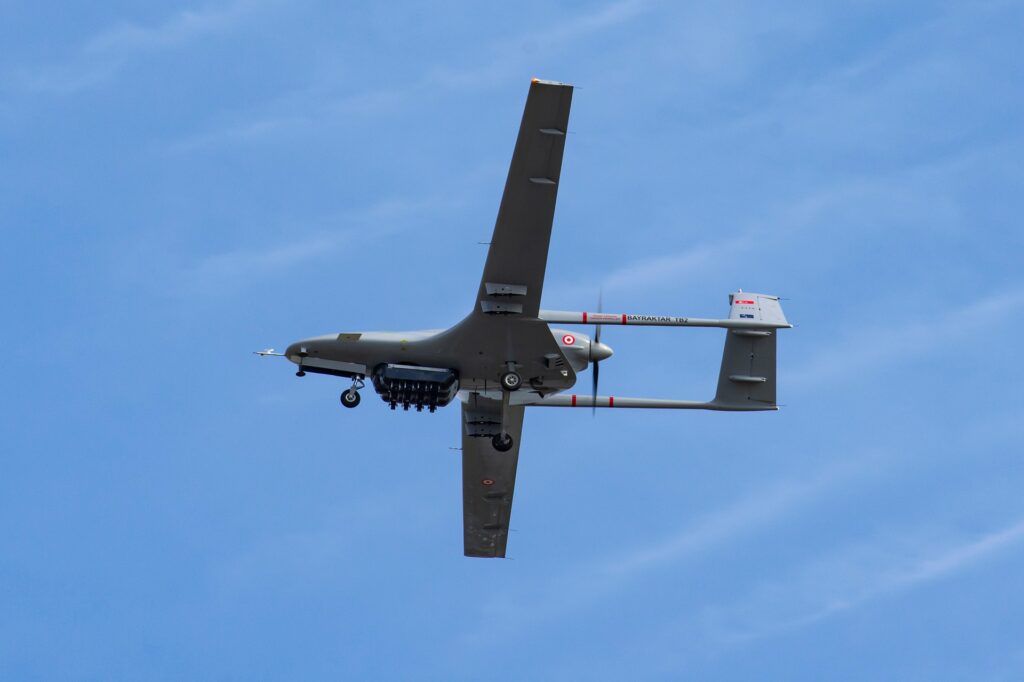
In addition to drones from partners like Denmark and potential acquisitions from Türkiye, which would include advanced Bayraktar TB2 UAVs for broader national defence purposes, Kenya’s investment in unmanned systems reflects a strategic push to strengthen its aerial and maritime domain awareness.
Why This Matters
The donation of drones from Denmark is a timely advancement given the complex security environment in the region. Improved maritime surveillance and rapid reconnaissance capabilities will help Kenya respond more effectively to threats ranging from piracy and illegal fishing to terrorism and cross-border crime in the Indian Ocean and Gulf of Aden.
The focus on modern unmanned systems also mirrors global military trends, where drones play critical roles — from reconnaissance to search and rescue. At the same time, concerns about how UAVs and similar technologies are used elsewhere, including in conflicts involving Africans in the Russia Ukraine War and other global theatres, continue to shape international debate about ethical use, training, and export controls of autonomous military systems.
Never Miss a Story: Join Our Newsletter