Kenya has introduced a new automated platform designed to detect traffic violations and issue instant fines to motorists, marking a significant shift toward digital enforcement on the country’s roads.
The system, rolled out by the National Transport and Safety Authority (NTSA), automatically identifies traffic offences and sends notifications to drivers via SMS. The platform records the violation in the motorist’s NTSA profile and provides details such as the location, time, and amount of the fine.
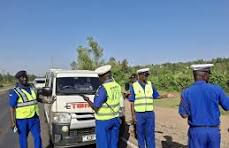
Unlike the traditional approach where traffic police would stop motorists on the roadside, the new system relies on automated detection technologies and centralized digital processing. Officials say the process operates without direct human involvement, a move intended to increase transparency and efficiency in traffic enforcement.
Seven-Day Window to Pay Fines
Motorists who receive violation notices will be required to settle their fines within seven days through digital payment channels integrated with the NTSA system, including bank payment platforms. Failure to pay within the specified time may attract additional penalties.
Drivers with unpaid fines may also face restrictions when accessing NTSA services such as:
- Driving licence renewal
- Vehicle ownership transfer
- Other vehicle-related transactions on the NTSA platform
Shift Toward Digital Traffic Enforcement
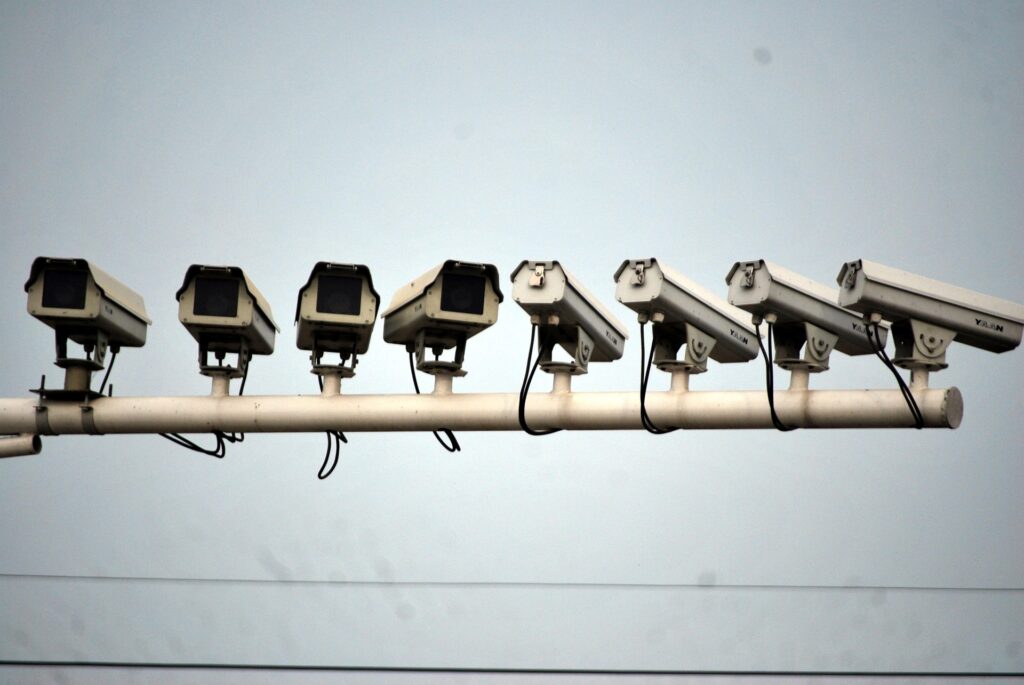
The automated fines system is part of a broader government initiative to modernize road management and improve compliance with traffic laws. The rollout follows earlier plans to deploy an Intelligent Transport System that uses surveillance cameras and digital monitoring tools to detect offences such as speeding, dangerous driving, and other violations.
Authorities believe the technology will help address two long-standing challenges on Kenyan roads: high accident rates and corruption in manual traffic enforcement. By minimizing direct interaction between motorists and traffic police, the system is expected to reduce opportunities for bribery while ensuring consistent enforcement of traffic regulations.
What It Means for Motorists
With the automated system now active, traffic violations may be detected and processed almost instantly. Instead of being stopped on the road, drivers could receive a notification shortly after committing an offence.
For motorists, this means stricter monitoring and faster enforcement of traffic rules, reinforcing the need to comply with speed limits, traffic signals, and other road regulations.
Never Miss a Story: Join Our Newsletter