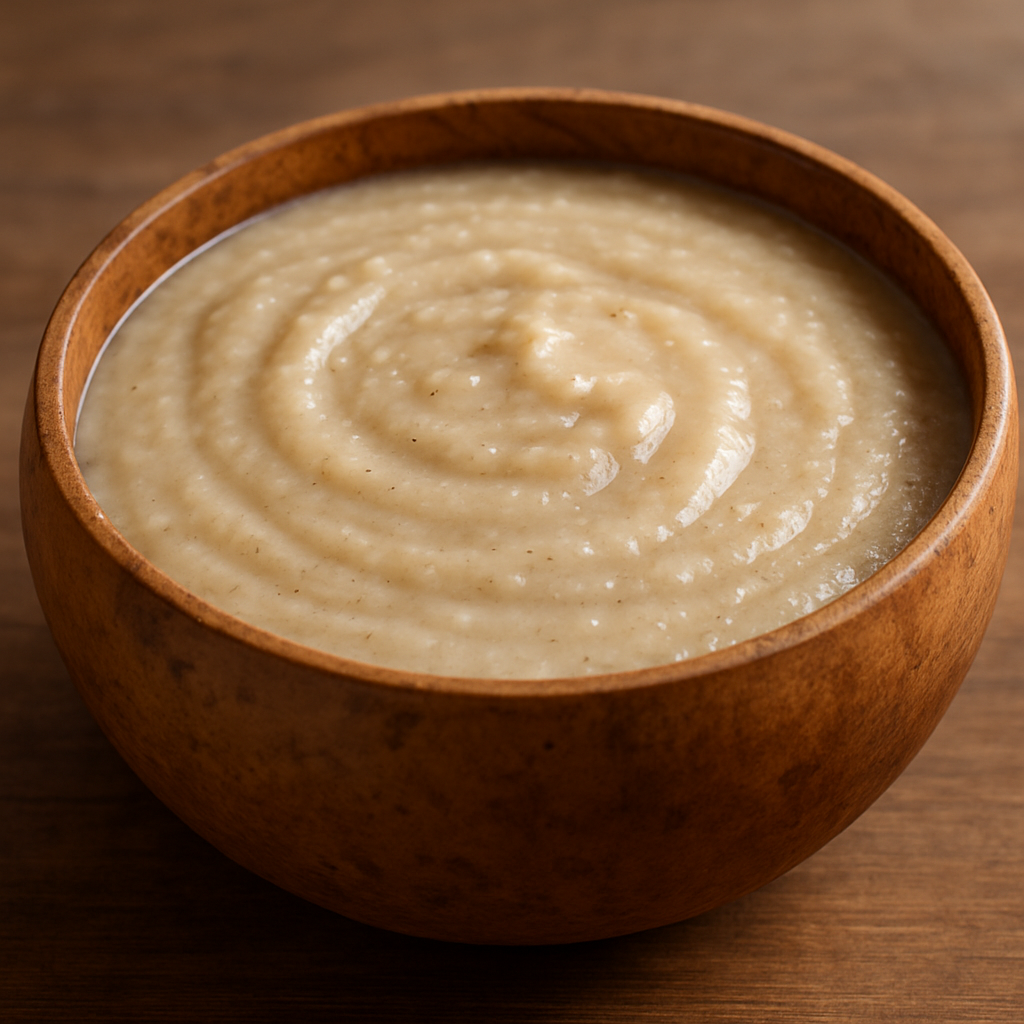
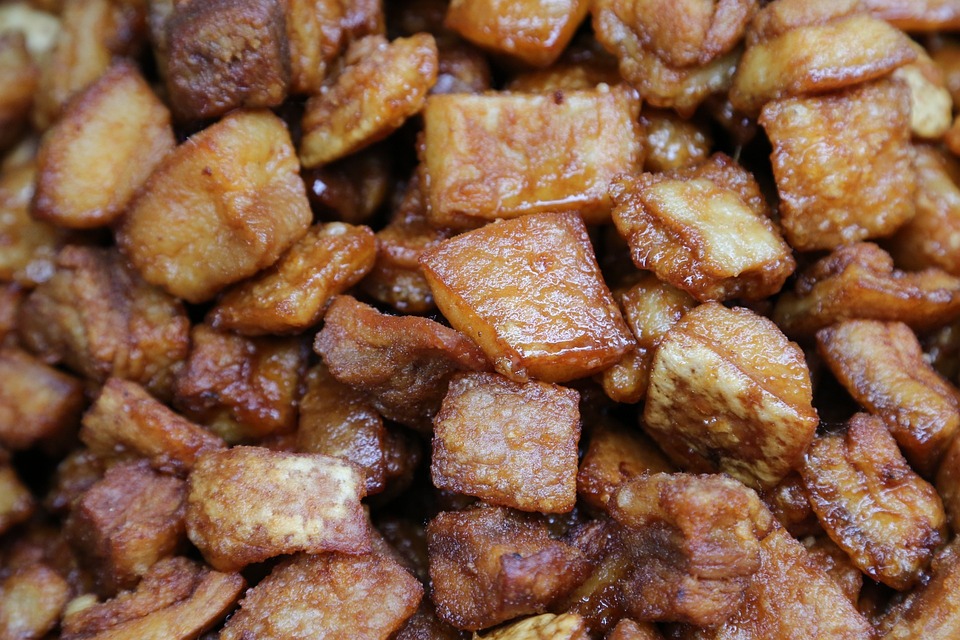
When it comes to indigenous diets, the Maasai of Kenya and northern Tanzania often spark global fascination. Known for their vibrant culture and warrior traditions, the Maasai have long maintained a unique dietary lifestyle rooted in livestock products—primarily milk, meat, blood, and animal fat. One particular practice that surprises outsiders is their consumption of liquefied animal fat, sometimes drunk directly or used in cooking. For many health-conscious observers, this raises an important question: Is animal fat healthy—especially for people at risk of hypertension?
Let’s explore the tradition, science, and context surrounding this practice.
The Traditional Maasai Diet: A Pastoral Legacy
The Maasai diet reflects their close relationship with cattle, which are central to their economy, identity, and nutrition. Historically, the Maasai relied heavily on:
- Whole cow’s milk
- Beef and goat meat
- Cow blood (used ritually and occasionally)
- Liquefied animal fat, often from cows or goats
For the Maasai, animal fat is not just a calorie source—it’s valued for its energy, flavor, and even medicinal properties. Elders often regard it as a strength-giving food, especially for warriors or during recovery from illness
Read Also: Fear of Intimate Partner Drives Kenyan Women to Exercise, Study Reveals
Is Animal Fat Healthy?
From a modern medical standpoint, animal fat—especially when consumed in large quantities—has long been linked to health risks like cardiovascular disease, high cholesterol, and hypertension.
Saturated Fat and Hypertension
Most animal fats are high in saturated fat, which:
- Raises LDL cholesterol (“bad” cholesterol)
- Can contribute to arterial stiffness
- Increases the risk of hypertension (high blood pressure)
According to the World Health Organization (WHO) and American Heart Association (AHA), limiting saturated fat intake is a key strategy for managing blood pressure and reducing heart disease risk.
So, from a clinical perspective, regularly drinking liquefied animal fat—especially for hypertensive individuals—is not recommended.
The Maasai Health Paradox
Interestingly, research from the 1960s and 1970s revealed a surprising twist. Despite their high animal fat consumption, traditional Maasai communities had remarkably low rates of heart disease and hypertension. This phenomenon became known as the “Maasai Paradox.”
Why Didn’t They Suffer the Consequences?
Experts point to several key factors:
- High physical activity: The Maasai were highly active, walking long distances daily.
- Low carbohydrate intake: Their diet was virtually free of processed carbs and sugar.
- Low overall caloric intake: Despite consuming rich foods, total food volume was moderate.
- Genetic adaptation: Some researchers believe the Maasai may have genetic traits that protect them from cholesterol buildup.
This suggests that the context in which a food is consumed matters as much as the food itself.
Changing Lifestyles, Changing Risks
Today, many Maasai are moving toward more sedentary lifestyles and incorporating modern foods such as refined sugar, processed oils, and maize flour. These changes, when combined with traditional high-fat consumption, can increase the risk of obesity, hypertension, and diabetes.
In urban or peri-urban settings, the protective factors once enjoyed by the traditional Maasai are diminishing, making the risks of animal fat consumption more pronounced.
Read Also: How to Burn Belly Fat Fast: Proven Tips for a Flatter Stomach
Cultural Respect Meets Medical Advice
It’s important not to judge traditional practices too quickly. What might seem appalling to one culture could be logical, sustainable, and even beneficial in another context. The Maasai diet evolved in response to the environmental and lifestyle conditions of a semi-nomadic pastoralist life.
However, health advice must evolve with context. In today’s world—where physical activity is often low and processed foods are common—the consumption of liquefied animal fat can pose significant health risks, especially for those with hypertension or a family history of heart disease.
Should You Drink Animal Fat?
If you’re considering traditional practices like animal fat consumption, it’s important to ask:
- Do I live an active, low-carb lifestyle like the traditional Maasai?
- Do I have high blood pressure or a family history of heart disease?
- Is there a safer source of fat, such as nuts, seeds, or olive oil?
For most modern individuals, particularly those with hypertension, the answer is clear: animal fat should be consumed sparingly, if at all.
Summary
- The Maasai diet includes liquefied animal fat, used for energy and strength.
- Animal fat is high in saturated fat, which increases cardiovascular risks.
- Traditional Maasai were protected by lifestyle and genetics, but modern changes heighten risks.
- For people with hypertension, animal fat consumption is generally not advisable.
Never Miss a Story: Join Our Newsletter