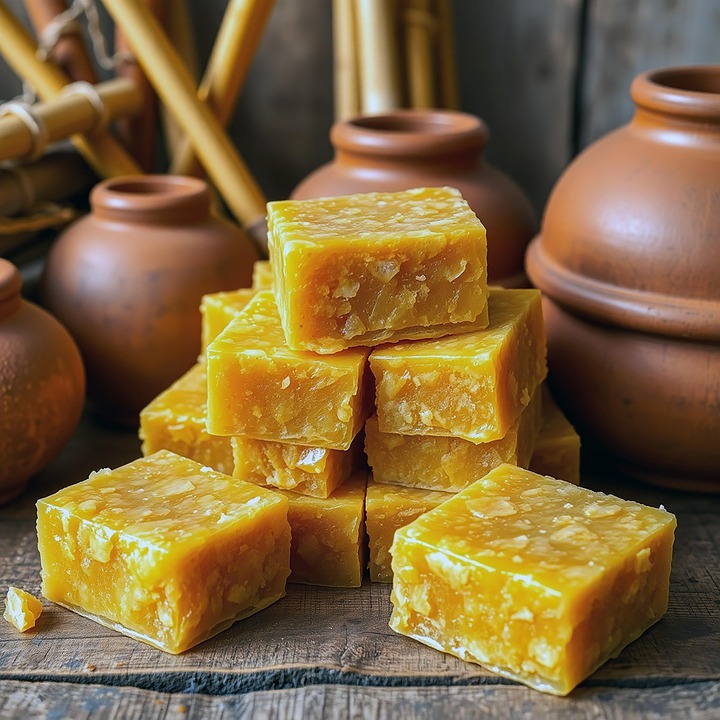
Sukari Nguru, Kenya’s traditional unrefined sugar, is a staple in many rural and urban households. Found in open-air markets across Nairobi, Kisumu, Mombasa, and Machakos, this coarse, golden-brown sweetener is often considered a healthier alternative to processed white sugar. But is that true—especially for those managing conditions like diabetes?
This article explores everything you need to know about Sukari Nguru: its nutritional profile, health benefits, risks for diabetics, and how it compares to other sweeteners.
What Is Sukari Nguru?
Sukari Nguru is jaggery—a type of unrefined sugar made by boiling sugarcane juice until it thickens and solidifies into blocks or cones. In Kenya, it’s often sold in local dukas or markets as rugged, brown chunks. It is less processed than table sugar, meaning it retains trace minerals and plant compounds found in raw sugarcane.
Nutritional Profile of Sukari Nguru
While Sukari Nguru is still sugar, it contains small amounts of micronutrients that refined white sugar lacks.
Table: Approximate Nutritional Content per 10g (2 teaspoons)
| Nutrient | Amount in Sukari Nguru | Amount in White Sugar |
|---|---|---|
| Calories | 38 kcal | 39 kcal |
| Iron | 0.3 mg | 0 |
| Potassium | 13 mg | 1 mg |
| Magnesium | 4 mg | 0 |
| Calcium | 8 mg | 0 |
| Antioxidants | Present | None |
| Fiber | Trace | None |
These nutrients help explain why Sukari Nguru is often recommended in traditional diets for children, pregnant women, and recovering patients—but only in moderation.
Read Also: Whatever Happened to Good Bread? A Kenyan Nostalgia Explained
Health Benefits of Sukari Nguru
1. Natural Source of Iron
Sukari Nguru is traditionally given to women after childbirth and children with low energy levels. That’s because it contains iron, which helps prevent or combat iron-deficiency anemia—a common issue in many Kenyan households.
2. Aids Digestion
In rural Kenyan homes, Sukari Nguru is often chewed after meals. This folk practice has scientific support: it stimulates the release of digestive enzymes, easing the movement of food through the intestines.
3. Detoxification
Sukari Nguru helps in flushing out toxins from the liver and purifying the blood. It is also believed to reduce acidity in the body, especially when taken with warm water in the morning.
4. Energy Booster
Unlike refined sugar, which gives an instant energy spike followed by a crash, Sukari Nguru provides a slower, more stable energy release. This makes it a better choice for those engaged in physical labor, such as farmers or school children walking long distances.
5. Respiratory Health
In traditional Kenyan herbal medicine, Sukari Nguru is used in home remedies to:
- Soothe coughs and sore throats
- Ease asthma symptoms
- Clear mucus from the lungs
A common remedy involves mixing grated ginger, warm water, and Sukari Nguru to relieve respiratory congestion.
⚠️ Can Diabetics Use Sukari Nguru?
❌ Short Answer: No, it’s not recommended.
Many people believe that because Sukari Nguru is “natural,” it is safe for diabetics. Unfortunately, that is a dangerous misconception.
Here’s Why:
- Sukari Nguru is mostly sucrose, which breaks down into glucose and fructose in the body.
- It has a high glycemic index (GI) of 84, which causes blood sugar levels to spike quickly.
- It contains calories similar to white sugar, with only trace minerals that do not offset its glycemic impact.
Conclusion: For diabetics or people with insulin resistance, Sukari Nguru is just as risky as white sugar.
Safer Sweeteners for Diabetics
| Sweetener | GI Level | Safe for Diabetics? | Notes |
|---|---|---|---|
| Stevia | 0 | Yes | Natural, zero-calorie |
| Erythritol | 0–1 | Yes | Sugar alcohol with minimal side effects |
| Monk Fruit | 0 | Yes | Natural and sweet, but costly in Kenya |
| Sukari Nguru | 84 | No | High glycemic impact |
Cultural Uses in Kenya
In many Kenyan communities, Sukari Nguru isn’t just a sweetener—it holds cultural and culinary value:
- Added to githeri, beans (madondo), or porridge (uji) for taste and energy.
- Used in traditional ceremonies like naming or initiation, where it’s shared as a symbol of joy and vitality.
- Prepared into chews and candy for children, especially in Western Kenya.
Who Should Consume Sukari Nguru?
✅ Good For:
- Children who need a quick source of energy (but in moderation)
- Women post-childbirth, to replenish iron and support healing
- Manual laborers, like boda-boda riders or farmers
- Athletes and school-going teens, especially before long activity sessions
❌ Avoid or Limit If You:
- Have diabetes or pre-diabetes
- Are overweight or trying to manage your weight
- Suffer from tooth decay or poor dental health
- Have fatty liver disease or high cholesterol
Read Also: Is the Maasai Diet Healthy? Understanding Animal Fat Consumption in Traditional Communities
How Much Sukari Nguru Is Safe?
Just because it’s “natural” doesn’t mean you can take it freely. The World Health Organization (WHO) recommends:
- Less than 10% of your daily calories from added sugar.
- For an average adult, that’s about 6–9 teaspoons (25–37g) of total sugar per day—including Sukari Nguru.
➤ Safe Weekly Serving (General Public, not Diabetics):
- 1–2 teaspoons a day, 3–4 days a week is a moderate and safe use.
Where to Buy Sukari Nguru in Kenya
You can find it at:
- Local markets in Kariobangi, Gikomba, Muthurwa, and Kisumu’s Kibuye market
- Agricultural co-ops and agro-vets
- Local brands like Mumias Sukari Nguru or Butali Traditional Sweetener (check labeling for authenticity)
Ensure it’s free from impurities like sand or mold.
Tips to Include Sukari Nguru in a Healthy Diet
- Grate it into your morning porridge
- Melt a small chunk in warm water with lemon and ginger for a cleansing drink
- Use as a natural cough syrup ingredient
- Substitute in place of white sugar in local pastries like chapati or mandazi (in small quantities)
Why Sukari Nguru Still Matters in Kenya
In Kenya, where lifestyle diseases like diabetes and obesity are on the rise, Sukari Nguru offers a more wholesome alternative to processed sugar, but only when used wisely. It’s rich in minerals, offers slow-release energy, and serves a special role in traditional diets and remedies.
However, it’s not a free pass. People with diabetes or blood sugar problems should avoid it just as they avoid refined sugar. The key lies in moderation, awareness, and knowing your health condition.
So the next time you pass by a local kiosk or open-air market in Nairobi or Eldoret, and you see that brown, rugged block of Sukari Nguru—know it’s more than just candy. It’s a cultural, medicinal, and nutritional symbol of balance—when used with wisdom.
Never Miss a Story: Join Our Newsletter