East Africa’s security landscape is becoming increasingly fraught. The long‑running conflict in eastern Democratic Republic of Congo (DRC)—particularly the resurgence of the M23 rebel group—has escalated sharply, raising concerns about broader regional instability. In late 2025, M23, widely accused of being backed by Rwanda, seized strategic territory including the border city of Uvira, displacing hundreds of thousands and alarming neighbouring states.
The Central Flashpoint: Eastern DRC
Since 2022, M23 has been one of the strongest armed actors in eastern DRC, capturing key cities such as Goma and Bukavu with alleged Rwandan military support. These advances have exacerbated humanitarian suffering and revived fears of a spillover into the wider Great Lakes region. Burundi has publicly warned that continued fighting risks pulling it and other neighbours into conflict. Is a Regional War Brewing in the Larger East African Region?
East Africa’s security landscape is becoming increasingly fraught. The long‑running conflict in eastern Democratic Republic of Congo (DRC)—particularly the resurgence of the M23 rebel group—has escalated sharply, raising concerns about broader regional instability. In late 2025, M23, widely accused of being backed by Rwanda, seized strategic territory including the border city of Uvira, displacing hundreds of thousands and alarming neighbouring states.
The Central Flashpoint: Eastern DRC
Since 2022, M23 has been one of the strongest armed actors in eastern DRC, capturing key cities such as Goma and Bukavu with alleged Rwandan military support. These advances have exacerbated humanitarian suffering and revived fears of a spillover into the wider Great Lakes region. Burundi has publicly warned that continued fighting risks pulling it and other neighbours into conflict.
Although the United States and the European Union helped broker peace agreements between DRC and Rwanda in 2025, these accords have largely fallen apart amid ongoing clashes and mutual accusations of violations.
U.S. Involvement and the Proxy War Narrative
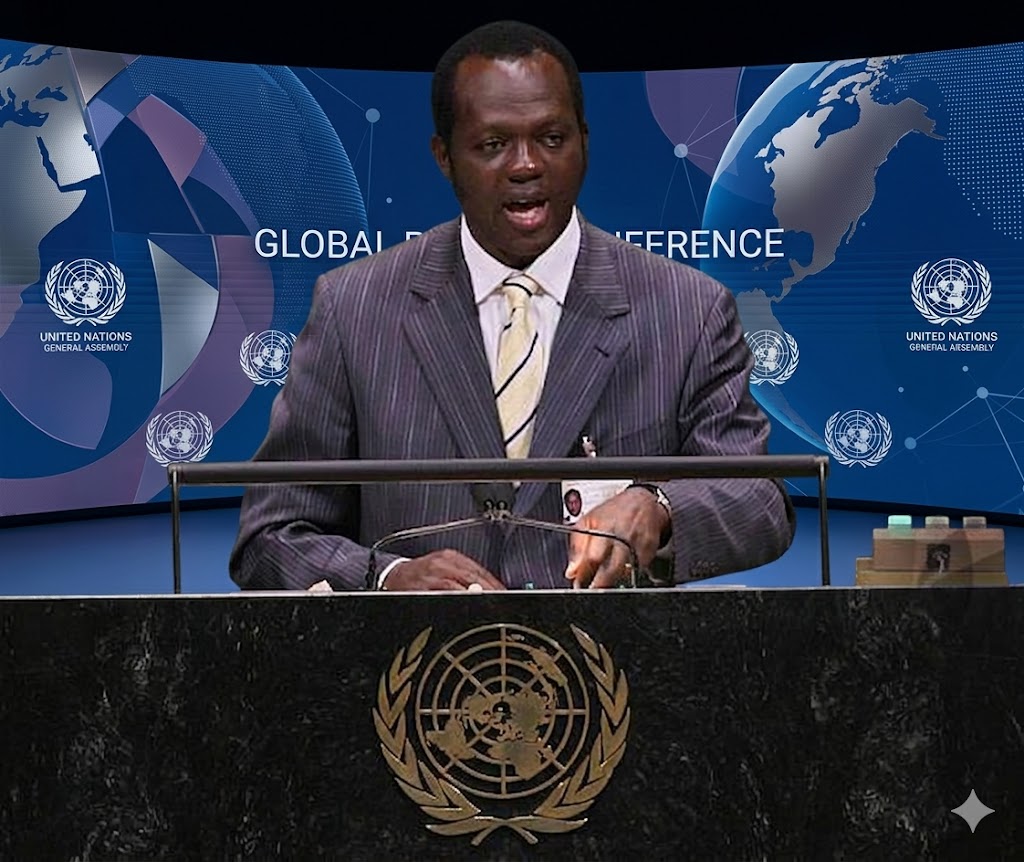
Some analysts and commentators speculate about U.S. intentions in the region, including theories about proxy conflict dynamics. In reality, while Washington has increasingly criticised Rwanda for allegedly fueling unrest at the United Nations, its approach appears rooted in diplomatic pressure and sanctions threats rather than open military confrontation.
There’s no clear evidence that the U.S. is actively arming Burundi as part of a proxy strategy. Instead, U.S. policy has urged restraint and compliance with peace accords. The U.S. has strategic interests in stabilising the Great Lakes region—both humanitarian and geopolitical—but direct military intervention is unlikely absent a dramatic shift in interests or threats to U.S. personnel.
Regional Relationships: Rwanda and Its Neighbours
Claims of Rwanda attacking countries like Uganda or Tanzania are far‑fetched given historical ties, particularly between Rwanda and Uganda. Their leaderships have a long history of cooperation, even if relations have occasionally been tense—making large‑scale conflict between them less probable.
Rwanda’s primary security focus seems anchored on managing what it perceives as threats emanating from eastern DRC. Kigali contends that armed groups like those linked to the 1994 genocide continue operating in eastern Congo, justifying its involvement there.
Kagame’s Strategic Options
President Paul Kagame faces a complex set of choices:
- Diplomacy and De‑escalation: Honour peace agreements and negotiate with Kinshasa and international mediators. This reduces the risk of sanctions and isolates the conflict from the region at large.
- Containment in Eastern DRC: Maintain a defensive posture focusing solely on threats directly tied to Rwanda’s security narrative, avoiding actions perceived as expansionist.
- Escalation Risk: Continued support (direct or indirect) for rebels like M23 might secure tactical gains in eastern DRC but also fuels international criticism and risks retaliation, economic sanctions, or isolation.
- Regional Cooperation: Rwanda could work more closely with the East African Community and African Union to build confidence and mitigate fears among neighbours.
Beyond Borders: Broader Regional Dynamics
The conflict in eastern DRC has already drawn in neighbouring states through troop deployments and peacekeeping efforts (e.g., the EAC Regional Force), illustrating how local violence can entangle multiple capitals.
Moreover, economic interdependence—such as Kenya’s role as a trade gateway for landlocked neighbours—means that instability in one state quickly affects others. While this dynamic raises the stakes, it also incentivises cooperation to prevent full‑scale war.
Yes, the risk of broader regional conflict in East Africa has grown due to the complex crisis in eastern DRC. But rather than a straightforward march toward war engulfing the entire region, what’s unfolding is a multi‑layered geopolitical struggle shaped by rebel dynamics, state interests, international diplomacy, and economic interdependence. The U.S. is more likely to remain a diplomatic actor than a combatant, and Rwanda’s leadership must balance security concerns with international norms if it wants to avoid deeper isolation or extended conflict.
Although the United States and the European Union helped broker peace agreements between DRC and Rwanda in 2025, these accords have largely fallen apart amid ongoing clashes and mutual accusations of violations.
U.S. Involvement and the Proxy War Narrative
Some analysts and commentators speculate about U.S. intentions in the region, including theories about proxy conflict dynamics. In reality, while Washington has increasingly criticised Rwanda for allegedly fueling unrest at the United Nations, its approach appears rooted in diplomatic pressure and sanctions threats rather than open military confrontation.
There’s no clear evidence that the U.S. is actively arming Burundi as part of a proxy strategy. Instead, U.S. policy has urged restraint and compliance with peace accords. The U.S. has strategic interests in stabilising the Great Lakes region—both humanitarian and geopolitical—but direct military intervention is unlikely absent a dramatic shift in interests or threats to U.S. personnel.
Regional Relationships: Rwanda and Its Neighbours
Claims of Rwanda attacking countries like Uganda or Tanzania are far‑fetched given historical ties, particularly between Rwanda and Uganda. Their leaderships have a long history of cooperation, even if relations have occasionally been tense—making large‑scale conflict between them less probable.
Rwanda’s primary security focus seems anchored on managing what it perceives as threats emanating from eastern DRC. Kigali contends that armed groups like those linked to the 1994 genocide continue operating in eastern Congo, justifying its involvement there.
Kagame’s Strategic Options
President Paul Kagame faces a complex set of choices:
- Diplomacy and De‑escalation: Honour peace agreements and negotiate with Kinshasa and international mediators. This reduces the risk of sanctions and isolates the conflict from the region at large.
- Containment in Eastern DRC: Maintain a defensive posture focusing solely on threats directly tied to Rwanda’s security narrative, avoiding actions perceived as expansionist.
- Escalation Risk: Continued support (direct or indirect) for rebels like M23 might secure tactical gains in eastern DRC but also fuels international criticism and risks retaliation, economic sanctions, or isolation.
- Regional Cooperation: Rwanda could work more closely with the East African Community and African Union to build confidence and mitigate fears among neighbours. ACCORD
Beyond Borders: Broader Regional Dynamics
The conflict in eastern DRC has already drawn in neighbouring states through troop deployments and peacekeeping efforts (e.g., the EAC Regional Force), illustrating how local violence can entangle multiple capitals.
Moreover, economic interdependence—such as Kenya’s role as a trade gateway for landlocked neighbours—means that instability in one state quickly affects others. While this dynamic raises the stakes, it also incentivises cooperation to prevent full‑scale war
Yes, the risk of broader regional conflict in East Africa has grown due to the complex crisis in eastern DRC. But rather than a straightforward march toward war engulfing the entire region, what’s unfolding is a multi‑layered geopolitical struggle shaped by rebel dynamics, state interests, international diplomacy, and economic interdependence. The U.S. is more likely to remain a diplomatic actor than a combatant, and Rwanda’s leadership must balance security concerns with international norms if it wants to avoid deeper isolation or extended conflic
Never Miss a Story: Join Our Newsletter