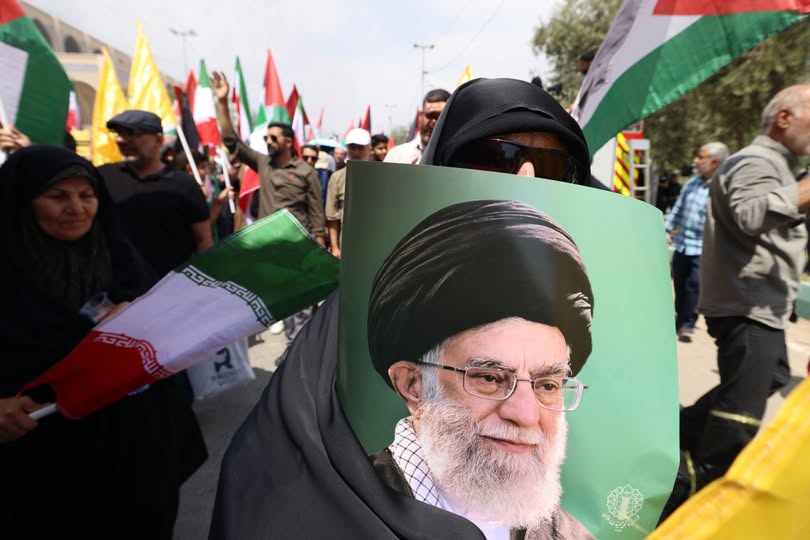
Iran is facing a new wave of nationwide protests as public anger over economic hardship and political repression spills onto the streets, prompting a forceful response from the country’s leadership and renewed international scrutiny.
The demonstrations, which began in late December 2025, were initially driven by frustration over soaring inflation, unemployment, and the sharp decline of the Iranian rial. They have since expanded into broader expressions of dissent against Iran’s ruling clerical system, with protesters openly challenging the authority of the Islamic Republic.
In a televised speech on January 9, 2026, Supreme Leader Ayatollah Ali Khamenei adopted a defiant tone, declaring that the government “will not back down” in the face of the unrest. He dismissed demonstrators as “vandals and saboteurs” and accused them of acting to serve foreign interests.
Khamenei also alleged that protesters were seeking to “please” U.S. President Donald Trump, whom he accused of having his “hands stained with the blood of Iranians,” reinforcing the long-standing narrative by Iranian authorities that domestic unrest is fueled by outside forces.
Crackdown and Internet Restrictions
As protests spread across multiple cities, Iranian authorities moved swiftly to contain them. Security forces were deployed in large numbers, and rights groups report widespread arrests. Iranian officials have warned that those involved in violence or attacks on public property could face severe punishment.
At the same time, the government sharply restricted internet access nationwide, limiting the flow of information and making it difficult for protesters to organize or for footage of the demonstrations to reach the outside world. Similar measures have been used during past periods of unrest to suppress mobilization and media coverage.
Despite these restrictions, videos circulated before the shutdown showed crowds chanting slogans against the leadership and, in some cases, setting fire to symbols associated with the state. Some chants referenced Iran’s pre-revolutionary past, reflecting the depth of frustration among segments of the population, though there is no clear evidence of a unified opposition leadership behind the protests.
A Familiar Pattern of Dissent
Human rights organizations say the crackdown has turned deadly in some instances, though exact casualty figures remain unclear due to limited access and the absence of official data. Authorities have not released comprehensive numbers on deaths or detentions.
The current unrest echoes previous protest movements, including the 2022–2023 demonstrations sparked by the death of Mahsa Amini, but analysts note that the underlying pressures are intensifying. Years of economic sanctions, government mismanagement, and political restrictions have left many Iranians increasingly disillusioned with the ruling establishment.
For Iran’s leadership, the protests represent another serious test of control. For protesters, they are a sign of deepening anger over living conditions and limited political freedoms. Whether the government’s hard-line approach will succeed in quelling dissent — or further inflame it — remains uncertain.
Never Miss a Story: Join Our Newsletter