Kenya’s rollout of the instant traffic fines system by the National Transport and Safety Authority (NTSA) represents one of the most significant changes in traffic enforcement the country has seen in years. The new platform shifts the focus from manual policing on the roadside to a digitally driven system that detects offences automatically and issues penalties through electronic notifications. The change is intended to modernize traffic management, reduce corruption linked to physical enforcement, and improve compliance with road safety rules.
A Nationwide Law with Uneven Practical Coverage
In legal terms, the instant fines framework applies across Kenya because it is grounded in national traffic regulations. Any motorist on Kenyan roads can theoretically receive a fine if they violate the rules covered by the system. However, the real-world reach of the system depends on the physical technology used to detect offences.
At the moment, the automated detection infrastructure—particularly traffic cameras and number-plate recognition systems—is concentrated along major transport corridors and densely populated urban areas. Roads with the highest traffic volumes and accident rates are the priority. This means that enforcement is expected to be strongest in cities such as Nairobi and along key highways connecting major economic centers.
In more remote or rural parts of the country, where camera infrastructure has not yet been widely installed, traditional traffic policing will continue to play the main role. As a result, the system is best understood as national in policy but selective in technological reach during its early stages.
How the Automated Enforcement System Works
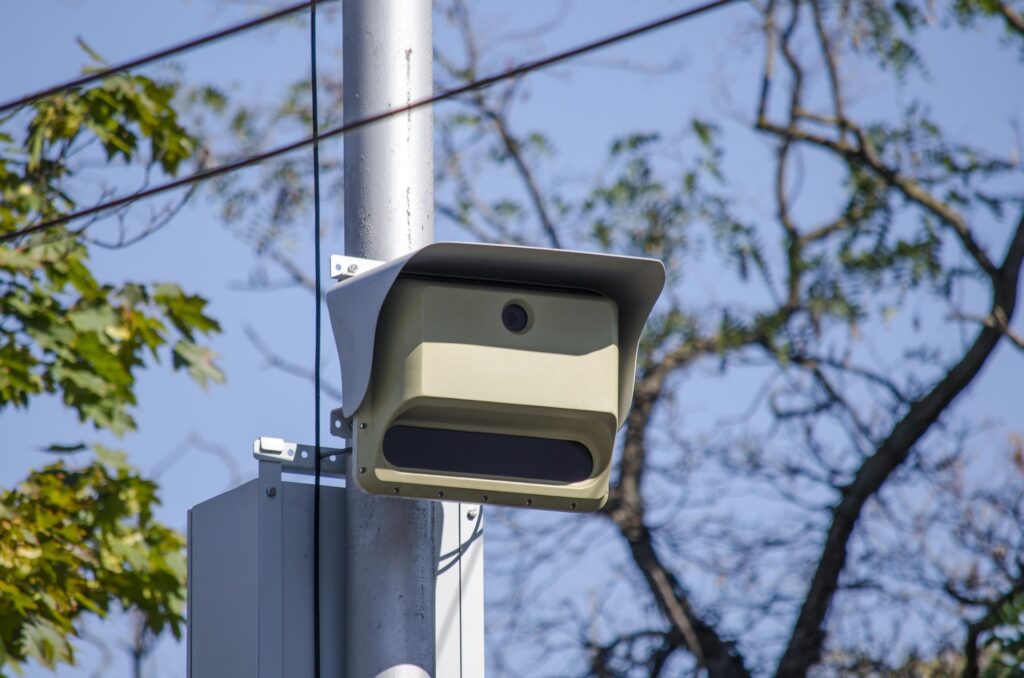
The new enforcement model relies on a combination of surveillance technology and government databases. Cameras positioned along roads monitor traffic continuously. When a violation occurs—for example speeding or ignoring a traffic signal—the camera captures the vehicle’s registration number.
That number is then processed by automated recognition software which links the plate to the national vehicle registry maintained by the NTSA. Once the system identifies the registered owner of the vehicle, a fine is generated and a notification is sent via SMS to the phone number associated with the registration records.
Motorists are expected to pay the penalty within a limited period, typically around a week. Failure to do so does not immediately lead to arrest, but it can trigger administrative consequences such as restrictions on NTSA services, including licence renewals or vehicle ownership transfers. In this way, the system uses digital compliance pressure rather than physical enforcement.
Types of Violations Covered
The instant fines platform primarily focuses on offences categorized under Kenyan law as minor traffic violations. These are infractions that normally do not require a court process if the offender chooses to settle the penalty quickly.
Common violations expected to trigger automatic fines include:
- moderate speeding beyond posted limits
- ignoring traffic signs or signals
- improper lane usage or obstruction of traffic
The fines themselves vary depending on the seriousness of the offence, ranging from relatively small penalties for minor speeding violations to much higher amounts for more dangerous behavior.
Why the Government Introduced the System
The policy shift toward automated enforcement is driven by several structural challenges that have affected traffic management in Kenya for decades. One of the most frequently cited problems has been corruption during roadside traffic stops. Because enforcement traditionally involved direct interactions between drivers and officers, opportunities often arose for informal settlements instead of official penalties.
By relying on cameras and automated systems, authorities hope to reduce those opportunities. A digital system records the violation, processes the fine, and sends the notification without the involvement of an individual officer who could influence the outcome. The government also expects the technology to create consistent enforcement, since cameras monitor roads continuously rather than only when police are physically present.
Another major objective is improving road safety. Kenya has struggled with high rates of traffic accidents and fatalities, particularly along major highways and in densely populated urban areas. Officials believe that drivers are more likely to comply with speed limits and traffic rules if they know violations will be detected automatically.
Questions About Implementation and Fairness
While the system promises greater efficiency, its rollout has also raised questions about implementation. One concern relates to the accuracy of the underlying vehicle registry. Because fines are issued to the registered owner of a vehicle, problems can arise if ownership records are outdated or if vehicles have been sold without proper transfer procedures. In such cases, the wrong person could receive the fine.
Another issue involves the uneven distribution of monitoring technology. Drivers may quickly learn where cameras are located and adjust their behavior only in those areas, which could reduce the broader impact on road safety. Expanding coverage across more roads will therefore be crucial if the system is to achieve its intended goals.
There are also concerns about potential scams. Since legitimate fines are delivered through SMS notifications, criminals may attempt to imitate official messages in order to trick motorists into making fraudulent payments. Public awareness campaigns will likely be necessary to help drivers distinguish genuine NTSA communications from scams.
A Step Toward a Digitally Managed Transport System
Despite these concerns, the instant fines platform signals a broader transformation in how Kenya manages road transport. The system is part of a larger effort to digitize traffic regulation and integrate various databases related to vehicles, drivers, and road use.
Over time, this digital ecosystem could expand to include more sophisticated tools such as driver demerit points, automated licence suspensions for repeated violations, and data-driven analysis of traffic patterns. If implemented effectively, the shift could eventually place Kenya among countries using technology-based traffic enforcement systems similar to those in advanced urban transport networks.
In the short term, however, the success of the instant fines system will depend on several factors: the speed at which monitoring infrastructure is expanded, the accuracy of the NTSA’s vehicle records, and the public’s willingness to adapt to a new model of automated enforcement.
Never Miss a Story: Join Our Newsletter