The Football World’s Billion-Dollar Shock
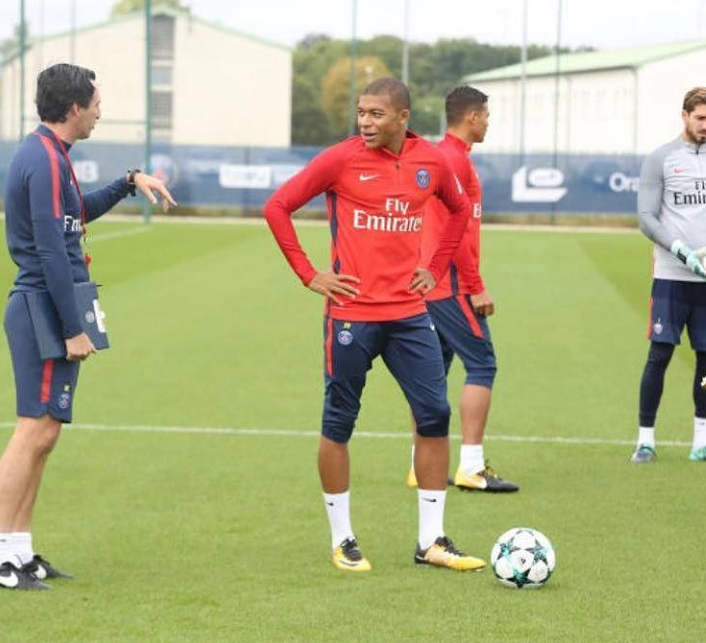
In 2025, the football world was stunned when Al-Hilal, a Saudi Arabian club, signed Kylian Mbappé for a record-breaking salary reportedly exceeding €230 million per year (approx. KSh 33 billion). The question on everyone’s mind—from Nairobi to London to Madrid—was this: How can a Saudi club afford to pay that much?
This article explores the financial muscle behind Al-Hilal and similar Saudi clubs, revealing a strategic plan that goes far beyond football
1. The Public Investment Fund (PIF): The Financial Giant Behind Al-Hilal
At the heart of Saudi football’s financial transformation is the Public Investment Fund (PIF)—Saudi Arabia’s sovereign wealth fund with assets exceeding $700 billion.
- In 2023, PIF took ownership of four major clubs: Al-Hilal, Al-Nassr, Al-Ahli, and Al-Ittihad.
- These clubs now receive direct state-backed investments.
- PIF is the same fund behind global deals like Newcastle United (UK), NEOM, and LIV Golf.
Through the PIF, Saudi Arabia has created an economic model where football is used as a national branding tool, not just a sport.
2. Vision 2030: Football as a Strategic National Project
Vision 2030 is Saudi Arabia’s long-term strategy to reduce dependency on oil and boost sectors like tourism, entertainment, and sports.
Under this plan:
- Football is used to project soft power globally.
- Hosting mega-events like the 2034 FIFA World Cup is a top priority.
- Signing global icons like Mbappé, Ronaldo, and Neymar brings attention to Saudi Arabia as a modern, vibrant destination.
In short, players like Mbappé are part of a national investment strategy, not just football signings.
3. Unlimited Sponsorship from State-Owned Companies
Unlike European clubs bound by UEFA Financial Fair Play (FFP), Saudi clubs like Al-Hilal can access unlimited funding from state-owned corporations, including:
- Saudi Aramco – World’s most valuable oil company.
- STC (Saudi Telecom Company) – A top sponsor in the Saudi Pro League.
- Riyadh Air and NEOM – Brands created to support tourism and global identity.
These sponsors inject hundreds of millions of dollars into clubs, making it easy to fund astronomical wages.
4. Oil Wealth and Economic Diversification
Saudi Arabia is one of the richest countries in the world, thanks to massive oil reserves. Now, that wealth is being used to:
- Diversify its economy through sports investment
- Showcase national pride and compete with the West
- Develop domestic sports infrastructure and build regional influence
When Al-Hilal pays Mbappé over KSh 2.7 billion per month, it’s not just for goals—it’s for global visibility.
5. No Financial Fair Play (FFP) Rules = More Freedom to Spend
European clubs like Manchester United or PSG must comply with UEFA’s Financial Fair Play rules, which limit overspending.
But Saudi clubs don’t fall under these restrictions, giving them:
- Unlimited wage offers
- Massive transfer fees without sanctions
- The ability to outbid top European giants
This gives Al-Hilal an edge when targeting players like Mbappé.
6. Building a Sports and Tourism Empire
Saudi Arabia isn’t just spending—it’s building.
- New stadiums, training centers, and media platforms are in development.
- The Saudi Pro League is being globally televised, attracting millions of viewers.
- Sports tourism is set to become a multi-billion-dollar sector, targeting fans from Africa, Europe, and Asia.
For fans in Kenya and across East Africa, this means more visibility for Arab leagues—and potential regional partnerships.
Table: Key Financial Factors Behind Al-Hilal’s Power
| Factor | Description |
|---|---|
| Public Investment Fund (PIF) | Funds Al-Hilal with sovereign wealth assets |
| Vision 2030 | Government plan using football for global influence |
| Oil Revenue | Funds massive player salaries and stadium projects |
| State-Owned Sponsors | STC, Aramco, NEOM fund deals and visibility |
| No FFP Restrictions | Allows spending beyond UEFA club rules |
| Sports Infrastructure Growth | Investment in training, media, and fan experience |
What This Means for Africa and Kenya
Kenyan players, agents, and clubs are watching closely. With the Saudi Pro League offering:
- High wages
- Professional facilities
- Massive visibility
…we may see more East African players head to Saudi Arabia in the near future.
Meanwhile, Kenyan fans can now watch Mbappé not just in Champions League highlights, but in regional broadcasts of the Saudi Pro League.
Football as a National Strategy
The ability of Al-Hilal to sign players like Kylian Mbappé for over KSh 33 billion per year is not a fluke—it’s a well-funded, long-term strategic plan backed by state wealth, oil revenues, and soft power diplomacy.
In the 2025 football economy, the game is bigger than just goals—it’s about influence, identity, and investment. And Saudi Arabia is playing to win.
Never Miss a Story: Join Our Newsletter