The Ben Gurion missile attack by Houthi rebels on May 14, 2025, marks a dangerous escalation in Middle East hostilities, signaling the growing reach and boldness of Iran-backed militias. As air raid sirens wailed across Tel Aviv and Jerusalem, panic swept through Israel’s busiest airport, forcing the suspension of flights and triggering chaos on the tarmac. While Israeli officials claim the hypersonic missile was intercepted, the incident has already sent shockwaves through global diplomatic, military, and aviation circles. Occurring just as former U.S. President Donald Trump addressed the U.S.-Saudi Investment Forum in Riyadh, the attack reflects rising coordination among hostile regional actors determined to challenge Western and Israeli interests.
Missile Intercepted, But Panic Erupts at Israeli Airport
According to Israeli Defense Forces (IDF) sources, the incoming missile was successfully intercepted by Israel’s multilayered air defense system, likely the Arrow 3 or David’s Sling. However, video footage and eyewitness accounts from passengers at Ben Gurion Airport painted a chaotic scene: travelers were seen abandoning luggage and fleeing onto the tarmac as air raid sirens blared across Tel Aviv, Jerusalem, Netanya, and other densely populated cities.
Emergency protocols were activated, and flight operations were temporarily suspended, leading to widespread disruptions across international and domestic air travel networks.
Read Also: Skepticism and Fragile Hope as PKK Announces Disbandment After Decades of Conflict
Houthi Forces Issue Warning: More Attacks Unless Gaza Offensive Halts
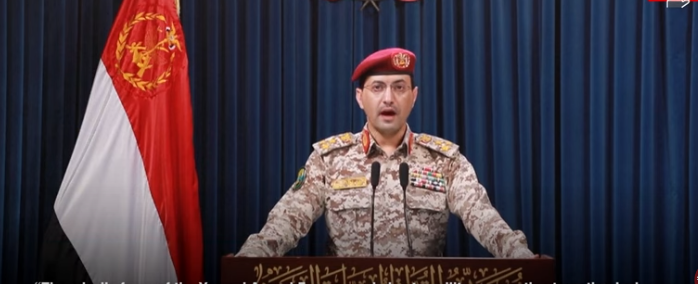
In an official statement, the Houthi military spokesperson declared that the missile strike was “a direct message to Israel and its Western allies” and threatened further aerial and maritime blockades unless Israel ceased its military operations in Gaza. The Houthis also claimed they had used an advanced hypersonic weapon, marking a dangerous new phase in asymmetric warfare in the region.
Though these claims remain unverified by international intelligence, the symbolism of attacking Israel’s busiest international airport—while a former U.S. president addressed Saudi leaders—has sparked intense diplomatic and military discussions.
Regional Context: Iran’s Proxy Network in Focus
Analysts say the timing of the attack was no coincidence. The missile launch occurred just as former President Trump announced a historic $142 billion U.S.-Saudi arms deal, with broader geopolitical implications for countering Iran and its regional proxies, including the Houthis in Yemen, Hezbollah in Lebanon, and militias in Syria and Iraq.
Middle East security expert Dr. Lior Friedman remarked:
“This is a loud signal that Iranian-backed forces are coordinating at a strategic level—and they are not afraid to strike high-value symbolic targets even under global scrutiny.”
Aviation and Civilian Impact
Israeli aviation authorities quickly grounded all outgoing and incoming flights for several hours. The FAA and EASA (European Union Aviation Safety Agency) issued advisories to international carriers flying through Israeli airspace. Thousands of passengers have been stranded or rerouted to Amman, Cairo, and Istanbul.
Tel Aviv residents reported several booms and interceptor trails visible in the sky, suggesting at least one successful mid-air neutralization. No casualties have been reported as of press time.
Global Reaction and Next Steps
The U.N. Security Council is expected to hold an emergency session, while Washington and Riyadh have issued a joint statement condemning the “reckless attack on civilian infrastructure.”
The White House’s National Security Advisor called the incident “an egregious escalation by Iran’s proxy network,” and emphasized U.S. readiness to support Israel’s right to self-defense.
Meanwhile, regional observers warn that if the Houthi threat continues to extend beyond the Red Sea and Gulf of Aden into Israeli territory, international trade routes, aviation corridors, and regional stability could face unprecedented risks
The Ben Gurion missile attack by Houthi rebels on May 14, 2025, represents a watershed moment in the ongoing Middle East crisis. Whether intercepted or not, the psychological and logistical impact on Israeli society, aviation safety, and global diplomacy is undeniable. As tensions soar and retaliatory dynamics unfold, the world watches closely to see whether this marks the beginning of a broader regional war—or a wake-up call for renewed diplomacy.
Read Also: Cracks in the Alliance: The Shifting Israel–US Relationship Under Trump’s Second Term
Never Miss a Story: Join Our Newsletter